RF Skin Tightening vs Ultrasound Lifting
Non-surgical facial lifting and tightening have become global standards in aesthetic dermatology. While both Radiofrequency (RF) Skin Tightening and High-Intensity Focused Ultrasound (HIFU) Lifting deliver noticeable rejuvenation without invasive surgery or downtime, they operate on different scientific principles, target distinct anatomical layers, and produce unique clinical outcomes. Understanding these fundamental differences helps international patients choose the ideal treatment—or combination strategy—for their specific skin profile.
Core Biological & Structural Differences
Although both modalities rely on thermal energy to trigger collagen remodeling, the way energy is delivered and the specific tissue layers targeted differ significantly.
- Radiofrequency (RF) Skin Tightening:
- Energy Delivery: Uses electrical current to generate uniform thermal energy (typically 40°C to 55°C) across the middle to deep dermal layers.
- Target Layer: Dermis and superficial collagen matrix.
- Primary Mechanism: Causes immediate contraction of existing collagen fibers while stimulating fibroblasts to synthesize fresh collagen and elastin over 3 to 6 months.
- Focus: Dermal density, surface skin tightening, fine lines, crepey texture, and pore refinement.
- High-Intensity Focused Ultrasound (HIFU) Lifting:
- Energy Delivery: Uses micro-focused ultrasound waves to deliver precise thermal coagulation points (60°C to 70°C) deep beneath the skin without affecting the surface.
- Target Layer: SMAS (Superficial Muscular Aponeurotic System) layer—the foundational tissue layer manipulated during surgical facelifts—as well as deep subcutaneous tissue.
- Primary Mechanism: Triggers deep tissue contraction and structural lifting, pulling up sagging muscle and heavy fat pads.
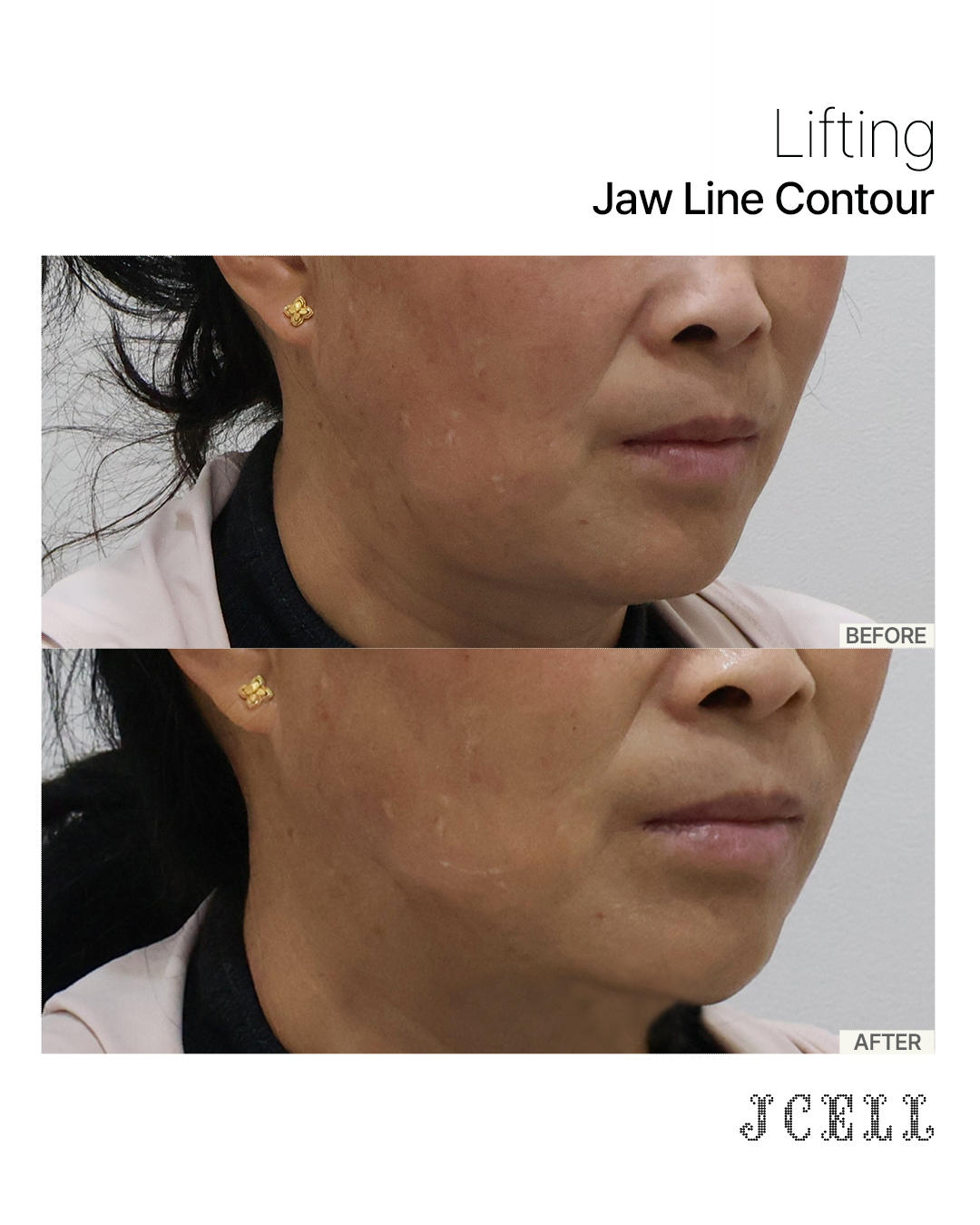
- Focus: Deep structural vector lifting, jawline definition, jowl reduction, and facial contouring.
Key Differences: Side-by-Side Comparison
Evaluating key clinical parameters highlights how RF and Ultrasound treatments function in practice.
- Radiofrequency (RF) Tightening Overview (e.g., Thermage FLX, Oligio, Volnewmer):
- Target Layers: Epidermis to Deep Dermis (Up to 3.0mm)
- Primary Effect: Dermal tightening, collagen rebuilding, and texture refinement
- Ideal Facial Areas: Full face, delicate eye areas, lower cheeks, neck, and body
- Sensation & Pain Level: Gentle to moderate deep warming sensation managed via integrated contact-cooling
- Results Timeline: Initial tightening immediately; full collagen production peaks at 3 to 6 months
- Longevity: 10 to 18 months depending on lifestyle and device
- Ultrasound (HIFU) Lifting Overview (e.g., Ultherapy, Ultherapy Prime, Shurink Universe):
- Target Layers: Deep Dermis, Subcutaneous Fat, and SMAS Layer (1.5mm, 3.0mm, to 4.5mm)
- Primary Effect: Deep vector lifting, structural contraction, and V-line sculpting
- Ideal Facial Areas: Sagging jowls, jawline, submental area (double chin), heavy cheeks, and drooping brows
- Sensation & Pain Level: Deep thermal prickling or tingling along bone structures
- Results Timeline: Subtle contraction early on; optimal lifting visible at 2 to 4 months
- Longevity: 12 to 24 months
Which Is Better for Your Skin Concerns?
Choosing between RF and Ultrasound depends entirely on facial anatomy, skin thickness, age, and primary aesthetic goals.
- RF Skin Tightening Is Better If You Have:
- Thin, loose, or crepey skin texture requiring improved density.
- Fine lines, wrinkles around the eyes and mouth, or enlarged pores.
- Overall mild skin laxity without heavy structural sagging.
- Concerns about volume loss (RF tightens skin without reducing facial fat).
- Ultrasound Lifting Is Better If You Have:
- Heavy lower-face sagging, prominent jowls, or loss of sharp jawline definition.
- Submental fullness (double chin) or drooping cheeks that need structural contraction.
- Moderate structural tissue descent requiring deep vector elevation.
- Thicker skin with good underlying volume that needs sculpting.
Synergistic Combination Protocols in Seoul
In Seoul’s leading dermatology centers, specialists rarely view RF and Ultrasound as competing options. Instead, they frequently layer them to treat all depths of the facial structure simultaneously.
- The Gold Standard "Ul-Thermage" Protocol: Combines Ultherapy (HIFU) for deep SMAS structural lifting with Thermage FLX (RF) for dermal envelope tightening. This dual-action approach lifts sagging foundation while firming overlying skin.
- HIFU + RF Microneedling: Pairing Ultherapy or Shurink Universe with RF microneedling (Potenza, Sylfirm X) lifts deep structural tissue while repairing surface acne scars, pigmentation, and fine lines.
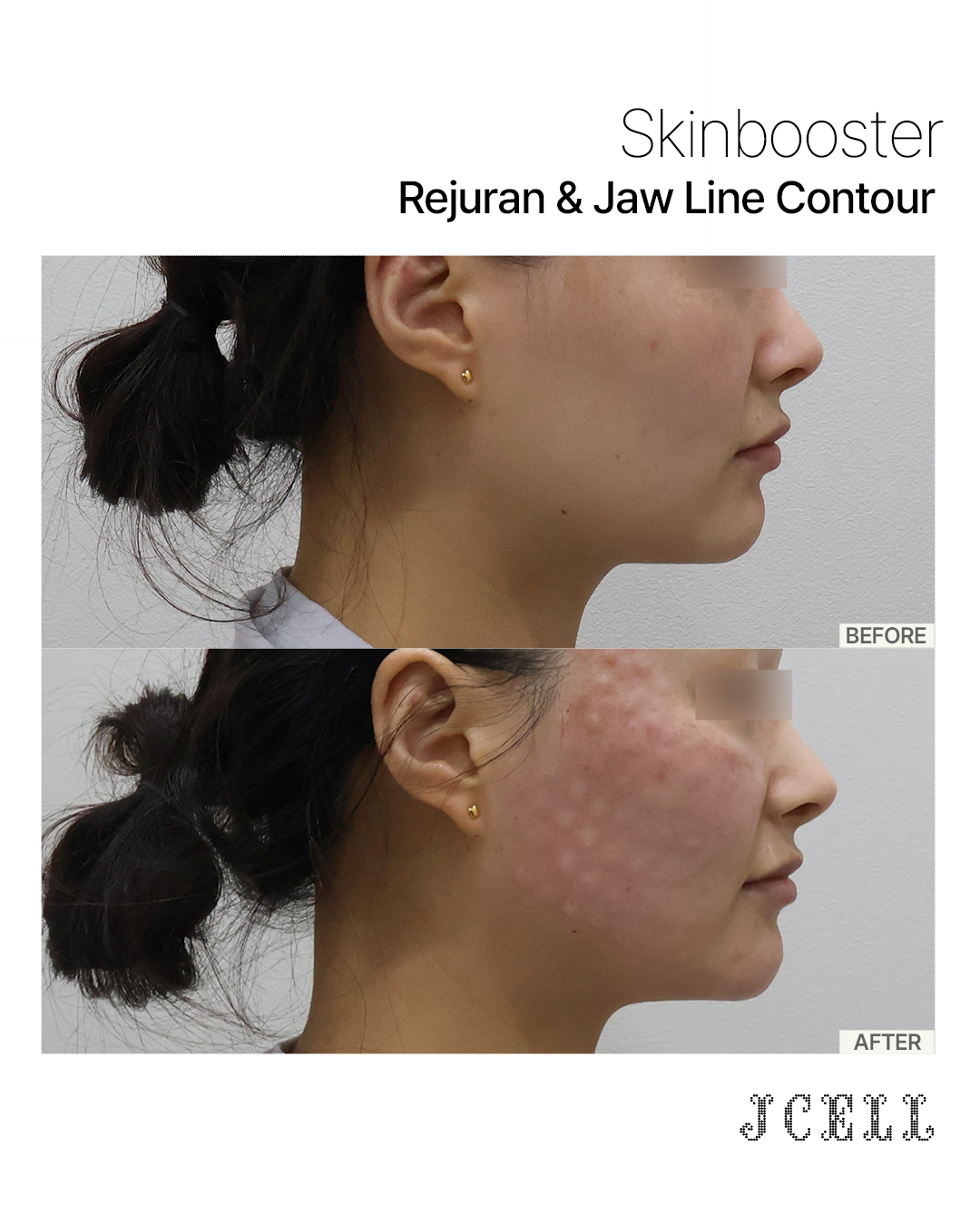
- Energy Lifting + Biostimulatory Boosters: Layering RF or Ultrasound energy with collagen-stimulating injectables like Juvelook or Rejuran Healer accelerates cellular healing and yields intense hydration alongside firming.
Estimated Cost Overview (USD)
Pricing varies by medical district in Seoul, doctor expertise, shot/line count, and whether FDA-approved or domestic KFDA-approved devices are selected.
- Korean HIFU (Shurink Universe / LinearZ 300–600 Shots): $200 – $500 USD
- Korean RF Tightening (Oligio / Volnewmer 300–600 Shots): $350 – $800 USD
- Ultherapy / Ultherapy Prime (300–600 Lines): $900 – $2,200 USD
- Thermage FLX (600 Shots): $1,200 – $2,200 USD
- Ul-Thermage Combination Protocol: $2,200 – $3,800 USD
Final Thoughts
Neither technology is inherently superior; rather, Radiofrequency and Ultrasound lifting complement each other by addressing distinct layers of the aging face. RF excels at firming loose skin and restoring dermal density, while Ultrasound provides the deep structural force needed to lift sagging jowls and redefine facial contours. Consulting with an experienced dermatologist allows for a tailored protocol that addresses both deep support and surface quality.