Can You Slow the Aging Process?
While chronological time moves relentlessly forward, modern science and regenerative aesthetics confirm that you can indeed slow down and even partially reverse the biological aging process. Biological aging is governed by cellular health, tissue damage accumulation, and gene expression—all of which are highly responsive to proactive intervention, environmental protection, and biological biostimulation.
By addressing the root biological causes of cellular decline, you can protect your structural framework, preserve natural tissue density, and significantly extend your overall healthspan.
Chronological vs. Biological Aging
To understand how aging can be slowed, it is essential to distinguish between calendar time and biological condition:
- Chronological Age: The fixed number of years, months, and days since your birth. This metric cannot be altered.
- Biological Age: The functional condition of your cells, organ systems, and dermal tissue. Biological age reflects cumulative molecular damage and is dynamic, measurable, and highly responsive to lifestyle choices and medical interventions.
Key Biological Drivers You Can Control
Biological aging is primarily driven by specific cellular degradation pathways that can be targeted and slowed:
- Collagen Depletion & Fibroblast Collapse: Starting in your mid-20s, natural collagen synthesis decreases by roughly 1% per year. As surrounding collagen breaks down, fibroblasts lose mechanical tension, collapse, and stop producing fresh structural proteins.
- Cellular Senescence ("Zombie Cells"): Damaged cells stop dividing but remain metabolically active, secreting toxic pro-inflammatory signals (SASP) that destroy surrounding healthy tissue and accelerate "inflammaging."
- Free Radical Oxidative Stress: Environmental exposure to UV radiation, pollution, and blue light generates Reactive Oxygen Species (ROS) that trigger Matrix Metalloproteinase (MMP) enzymes, which chop up intact collagen fibers.
- Protein Glycation (AGEs): High blood sugar levels cause sugar molecules to bind to collagen fibers, forming Advanced Glycation End-Products (AGEs) that render flexible tissue rigid and brittle.
Scientific Strategies to Slow Biological Aging
Modern dermatology and anti-aging medicine utilize advanced regenerative protocols to intervene at the cellular level and restart tissue repair pathways:
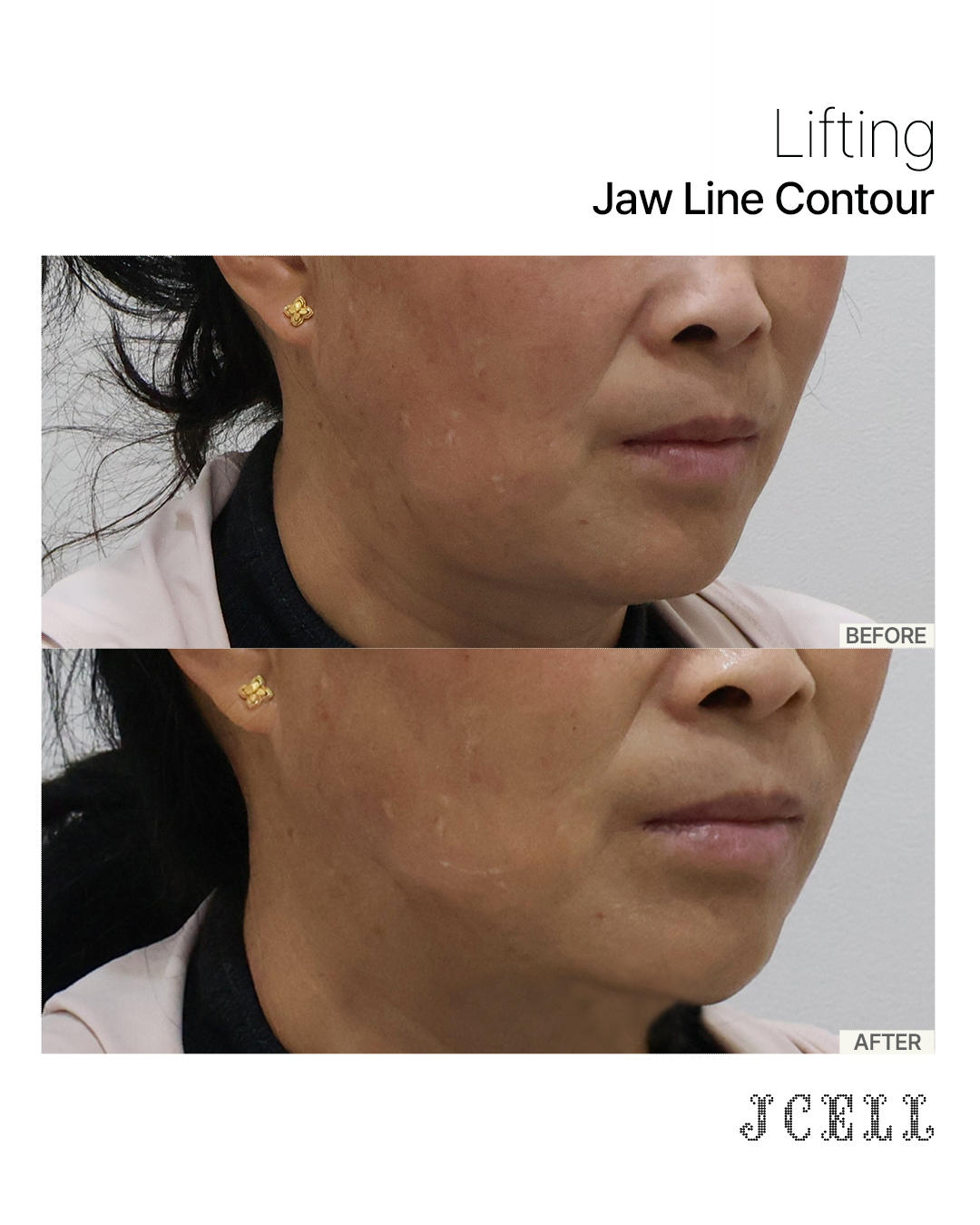
- Injectable Biostimulators (Juvelook, Sculptra): Delivering biostimulatory micro-particles into the deep dermis re-establishes mechanical tension, reactivating collapsed fibroblasts to synthesize fresh Type I collagen.
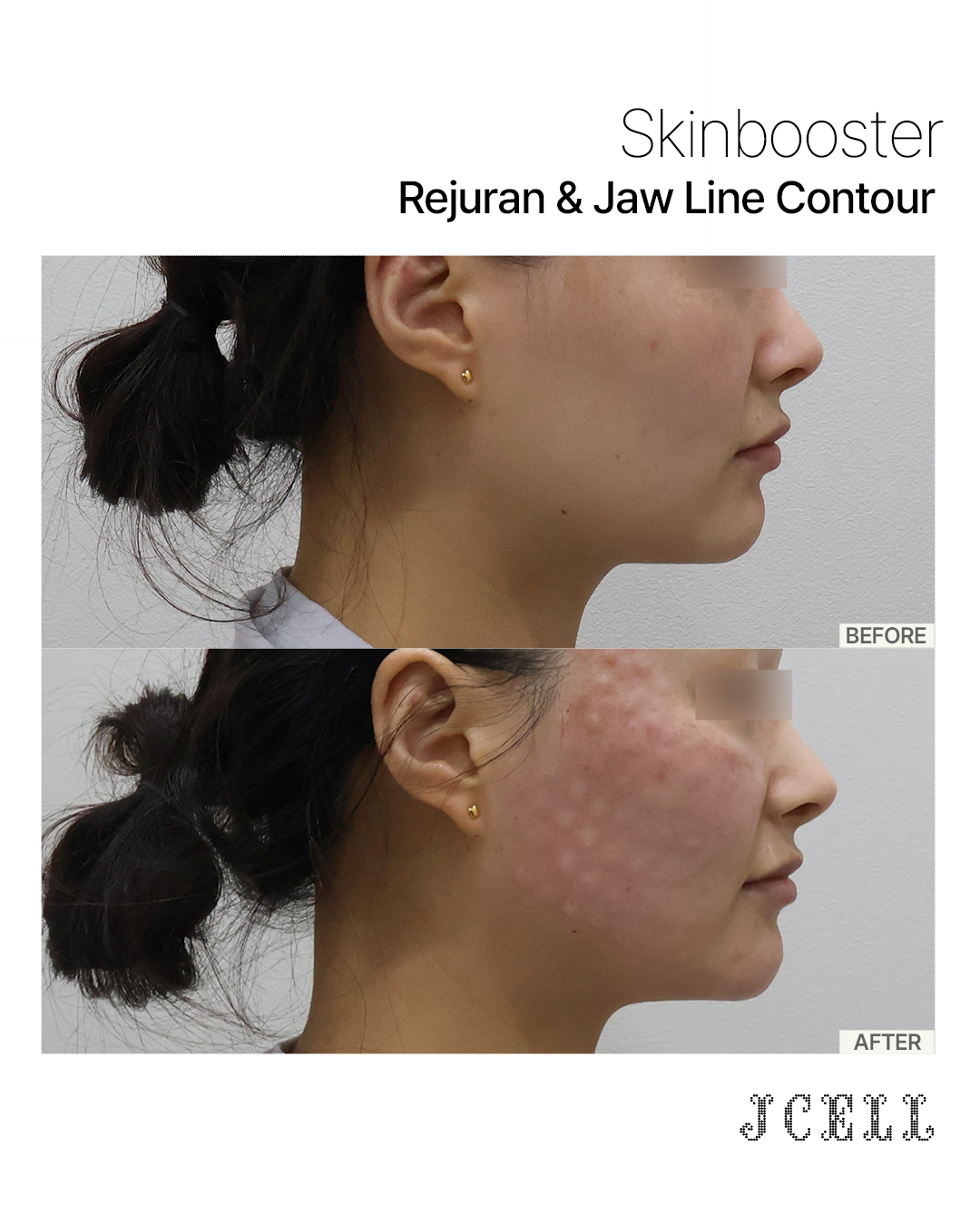
- Polynucleotide Therapies (Rejuran Healer): Purified DNA fragments derived from salmon repair damaged extracellular matrix environments, quench oxidative free radicals, and calm chronic micro-inflammation.
- Energy-Based Dermal Remodeling (Thermage FLX, Ultherapy, Oligio): Targeted thermal energy via Radiofrequency (RF) or High-Intensity Focused Ultrasound (HIFU) contracts loose fibers, clears senescent tissue, and triggers long-term neocollagenesis.
- Daily Photoprotection & Antioxidant Care: Diligent broad-spectrum SPF 50+ usage prevents up to 80% of visible skin photoaging by blocking UV-induced MMP activation.
Systemic Longevity Habits That Support Skin Health
Slowing skin aging works best when paired with lifestyle modifications that reduce systemic biological stress across the entire body:
- Circadian Sleep Repair: Deep sleep triggers the release of Human Growth Hormone (HGH), vital for night-time cellular turnover and extracellular matrix recovery.
- Anti-Inflammatory & Low-Glycemic Nutrition: Diets rich in antioxidants and low in refined sugars minimize systemic inflammaging and reduce the formation of cross-linked AGEs.
- Micro-Circulatory Support: Regular physical exercise enhances cutaneous blood flow, delivering essential oxygen, vitamins, and amino acids directly to dermal cells.
Final Thoughts
You cannot stop the calendar, but you have significant control over how your cells and tissues age. By shielding your skin from environmental damage, maintaining healthy metabolic habits, and utilizing targeted clinical biostimulants, you can effectively lower your biological skin age and enjoy firm, dense, and resilient skin for decades to come.