Cellular Regeneration in Aesthetic Medicine
Aesthetic medicine has undergone a monumental shift from temporary surface-level enhancements to deep biological repair. Rather than simply filling wrinkles or paralyzing facial muscles, modern aesthetic treatments center on cellular regeneration—activating the body's natural healing mechanisms to repair damaged tissue, rebuild collagen, and restore youthful skin function at a microscopic level.
Understanding how cellular regeneration works, why South Korea leads this global revolution, and which regenerative modalities yield the most effective results is essential for anyone seeking lasting, natural skin rejuvenation.
The Science Behind Cellular Regeneration
At its core, cellular regeneration in dermatology focuses on reversing cellular senescence and restoring the extracellular matrix (ECM). As skin ages, cellular turnover slows down, collagen synthesis drops, and chronic inflammation damages healthy tissue.
Regenerative aesthetic therapies intervene in these biological pathways through several key mechanisms:
- Reactivating Dermal Fibroblasts: Signaling dormant fibroblasts to resume active production of Type I and Type III collagen, elastin, and natural hyaluronic acid.
- Restoring Extracellular Matrix (ECM) Scaffolding: Rebuilding the structural matrix beneath the dermis so skin cells can maintain physical tension and function optimally.
- Calming Chronic Inflammation (Inflammaging): Delivering anti-inflammatory cytokines and biological signals to halt the ongoing degradation of healthy skin cells.
- Stimulating Microvascular Angiogenesis: Encouraging new blood vessel formation to boost nutrient and oxygen delivery to oxygen-starved dermal layers.
Core Regenerative Modalities in Aesthetic Medicine
Today’s regenerative toolset combines biological active agents with advanced physical energy delivery systems:
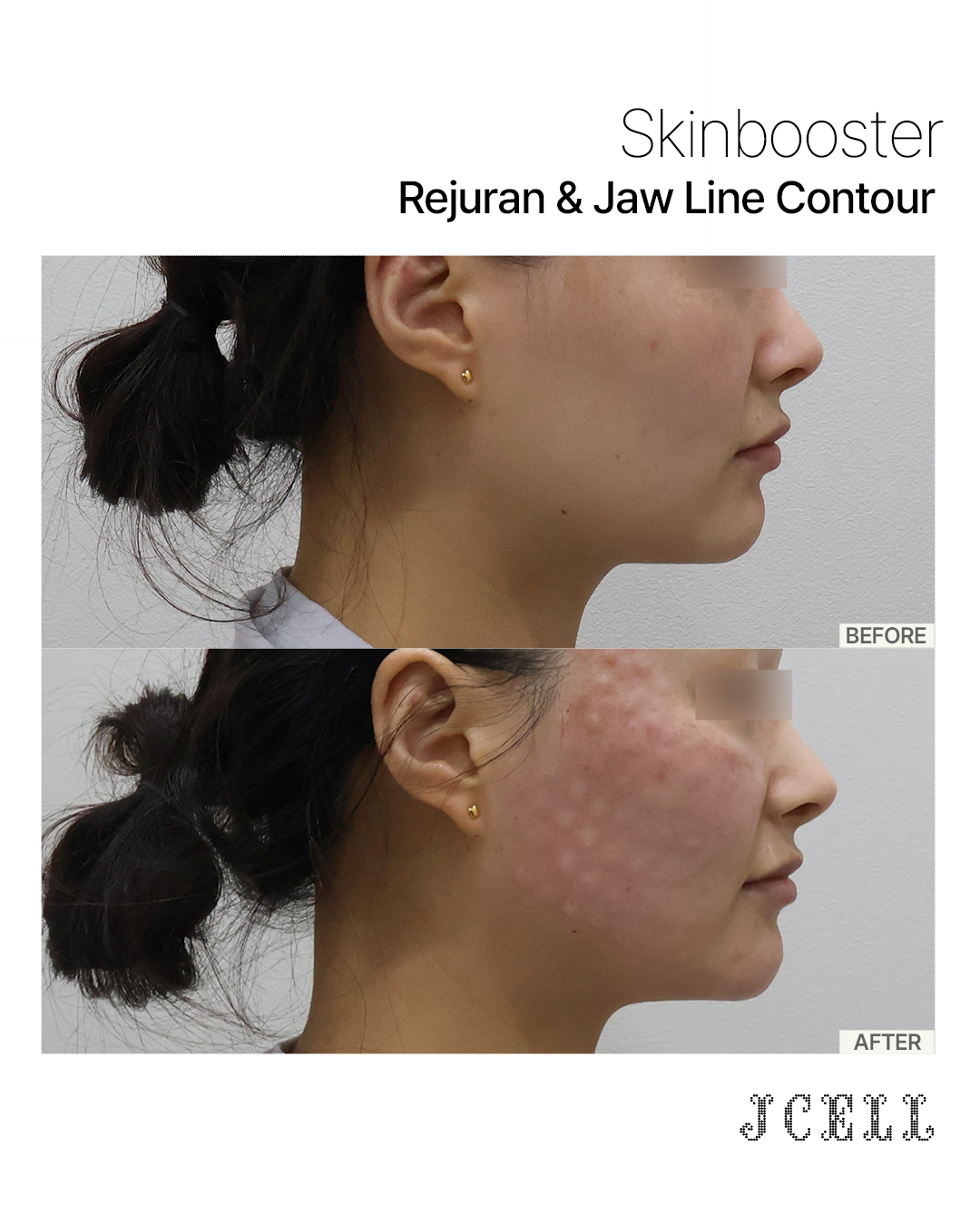
- Polynucleotides (PN / Rejuran Healer): Salmon DNA-derived polynucleotides that promote tissue repair, calm inflammation, and restore damaged dermal barriers.
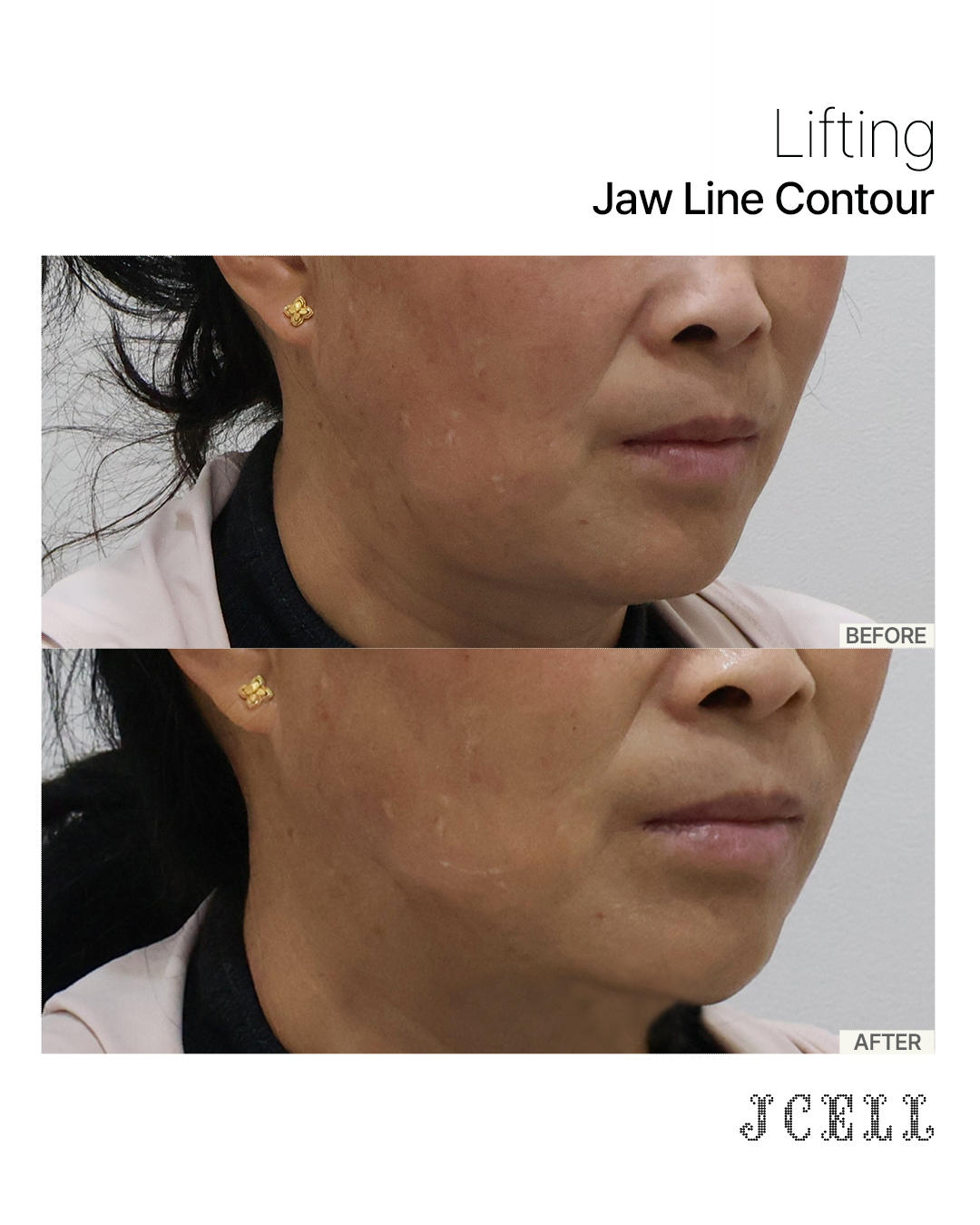
- Biostimulatory Injectables (Juvelook & Sculptra): Micro-particle poly-D,L-lactic acid (PDLLA/PLLA) formulations that trigger long-term neocollagenesis over several months.
- Exosome & Stem Cell Secretomes: Nanometer-sized extracellular vesicles packed with growth factors, peptides, and genetic signaling molecules that reprogram damaged cells.
- Autologous Platelet-Rich Plasma (PRP) & Stem Cell Fractions: Utilizing concentrated growth factors or adipose-derived stem cell fractions harvested directly from the patient’s own tissue.
- Energy-Assisted Regenerative Channels: Utilizing RF microneedling (Potenza, Sylfirm X) or fractional lasers to create micro-channels that allow regenerative biologicals to penetrate deep into the dermis.
Why Choose South Korea for Regenerative Treatments?
South Korea is globally recognized as the capital of aesthetic dermatology and bio-regenerative medicine, offering unmatched innovation, expertise, and patient care:
- Pioneering Biotechnology Development: Korean biomedical research facilities manufacture world-class regenerative biologics (including ASCE+ exosomes, Rejuran, and Juvelook), keeping local practices at the absolute forefront of cellular skin care.
- Refined Multi-Layer Stacking Techniques: Korean dermatologists are renowned for combining energy-based lifting devices with biological injectables in a single session to maximize cellular repair.
- Superior Clinical Experience: High patient volumes allow Korean specialists to perfect micro-injection protocols, minimizing downtime and achieving subtle, highly natural outcomes.
- Frictionless International Hospitality: Premier clinics in Seoul feature dedicated English coordinators, streamlined scheduling, private care suites, and immediate 10% VAT tax refunds for overseas visitors.
Estimated Cost Overview (USD)
Treatment pricing in South Korea varies based on the specific regenerative protocol, biologic concentration, and clinic location (such as Gangnam or Cheongdam). Below are typical price ranges for foreign travelers in Seoul:
- Polynucleotide Skin Boosters ($200 – $400 per session): Standard 2cc PN treatments (Rejuran Healer) focused on repairing skin barrier function and improving elasticity.
- Hybrid Biostimulators ($250 – $550 per session): Micro-particle PDLLA injectables (Juvelook Skin or Volume) designed for long-term collagen generation and textural refinement.
- Exosome & Stem Cell Secretome Therapy ($350 – $750 per session): High-purity exosome formulations paired with microneedling or post-laser cooling for rapid cellular renewal.
- Autologous Stem Cell & PRP Facials ($1,100 – $2,500 per session): Advanced protocols utilizing harvested adipose-derived stem cell fractions or high-concentration PRP for comprehensive rejuvenation.
- Full-Face Regenerative Stacking Package ($1,500 – $3,500 per session): Comprehensive combination treatments pairing energy lifting (Ultherapy/Thermage) with dual biostimulants and exosome recovery care.
Essential Guidelines for International Visitors
- Reserve Appointments Early: Top-tier dermatologists and regenerative aesthetic clinics in Gangnam routinely book out 2 to 4 weeks in advance.
- Bring Your Physical Passport: Presenting your physical passport at the clinic is required to issue immediate VAT tax refund receipts.
- Plan for Minor Downtime: While cellular treatments are minimally invasive, scheduling needle-based skin boosters 24 to 48 hours before major social events allows mild redness or micro-swelling to resolve.
- Follow Post-Care Instructions: Avoid harsh chemical exfoliants, direct sun exposure, and intense heat (saunas) for 3 to 5 days post-treatment to allow cellular signaling to work undisturbed.
Final Thoughts
Cellular regeneration represents a paradigm shift in aesthetic medicine—moving away from temporary surface alterations toward rebuilding your skin's biological health from within. By pairing advanced Korean bio-technology with expert dermatological application, you can achieve resilient, naturally youthful skin that stands the test of time.