Exosomes for Acne Scar Remodeling
Acne scars are among the most frustrating and persistent skin concerns to treat because they involve structural damage deep within the dermal layer. Traditional resurfacing treatments—such as ablative lasers or microneedling—work by creating controlled injury to trigger skin healing. However, when combined with Exosomes for Acne Scar Remodeling, this healing process is fundamentally transformed. By supplying damaged tissue with concentrated growth factors and cellular signals, exosome therapy breaks down rigid scar tissue and stimulates smooth, healthy collagen synthesis from within.
What Are Exosomes in Acne Scar Treatment?
Exosomes are biological micro-vesicles secreted by stem cells that function as messengers between cells. They contain a rich cocktail of growth factors, cytokines, peptides, and microRNAs.
When applied to acne scars, exosomes do not just act as surface moisturizers or passive skin boosters. Instead, they actively communicate with damaged dermal fibroblasts, signaling them to stop producing abnormal, rigid scar tissue and begin manufacturing organized, supple type I and type III collagen. When delivered into deep dermal layers via micro-channeling, RF microneedling, or fractional laser resurfacing, exosomes dramatically enhance structural scar remodeling.
How Exosomes Repair & Remodel Acne Scar Tissue
Acne scars form when severe inflammation disrupts normal tissue repair, leaving behind tethered, indented depressions (such as icepick, boxcar, and rolling scars) or thick fibrotic bands. Exosomes target scar remodeling through several distinct biological mechanisms:
- Collagen Type Matrix Switch: Exosomes signal the skin to replace abnormal, cross-linked scar collagen with healthy, parallel collagen fibers, smoothing out indented scar beds over time.
- Fibrotic Tissue Breakdown: Active enzymes and signaling peptides within exosomes aid in remodeling stiff, fibrous scar tissue beneath tethered depressions.
- Potent Anti-Inflammatory Action: By downregulating inflammatory cytokines, exosomes prevent post-treatment hyperpigmentation (PIH) and calm chronic inflammation around active or healing acne sites.
- Accelerated Angiogenesis: They promote new capillary formation, restoring vital blood supply and nutrient delivery to pale, starved scar tissue.
Key Benefits & Effects
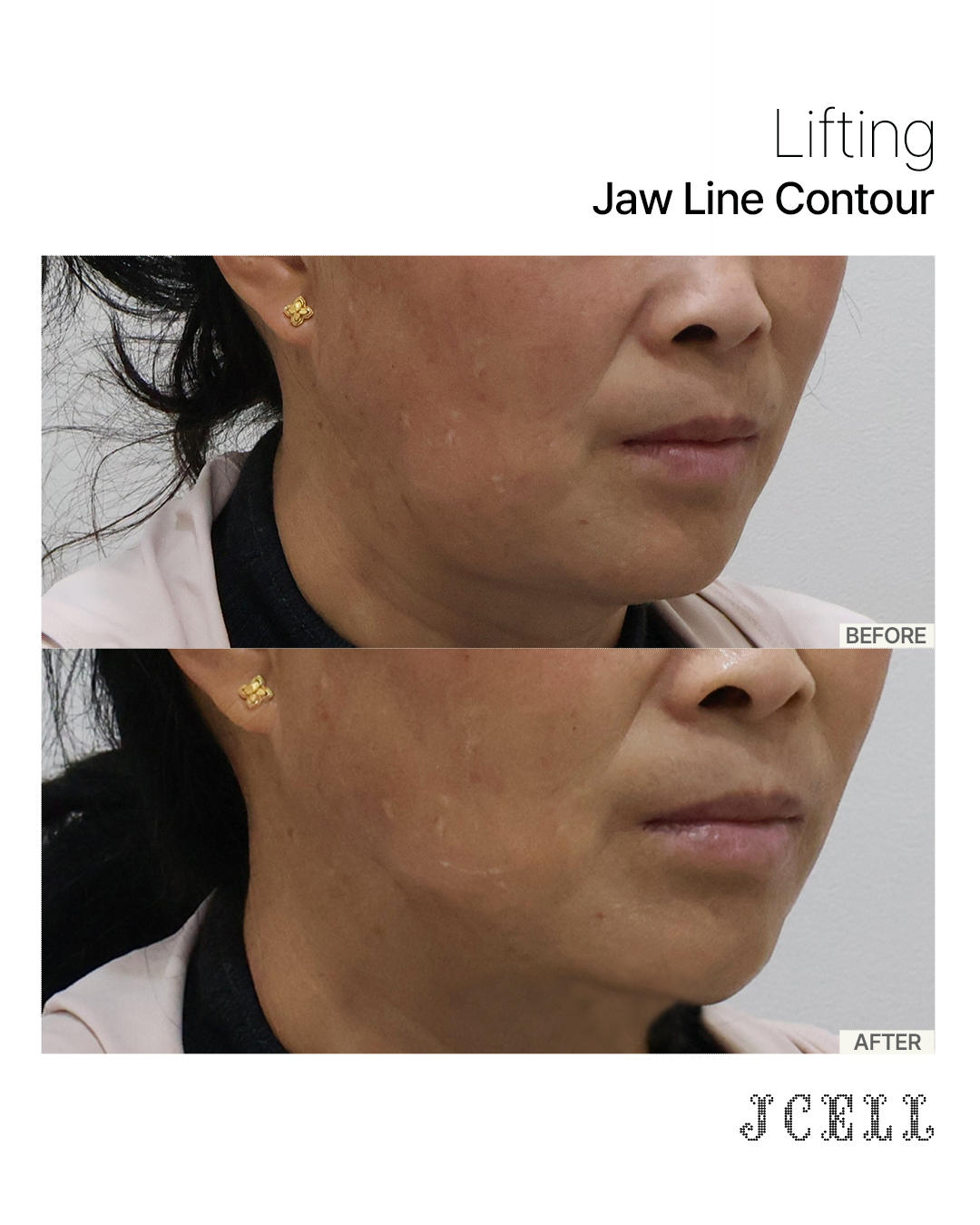
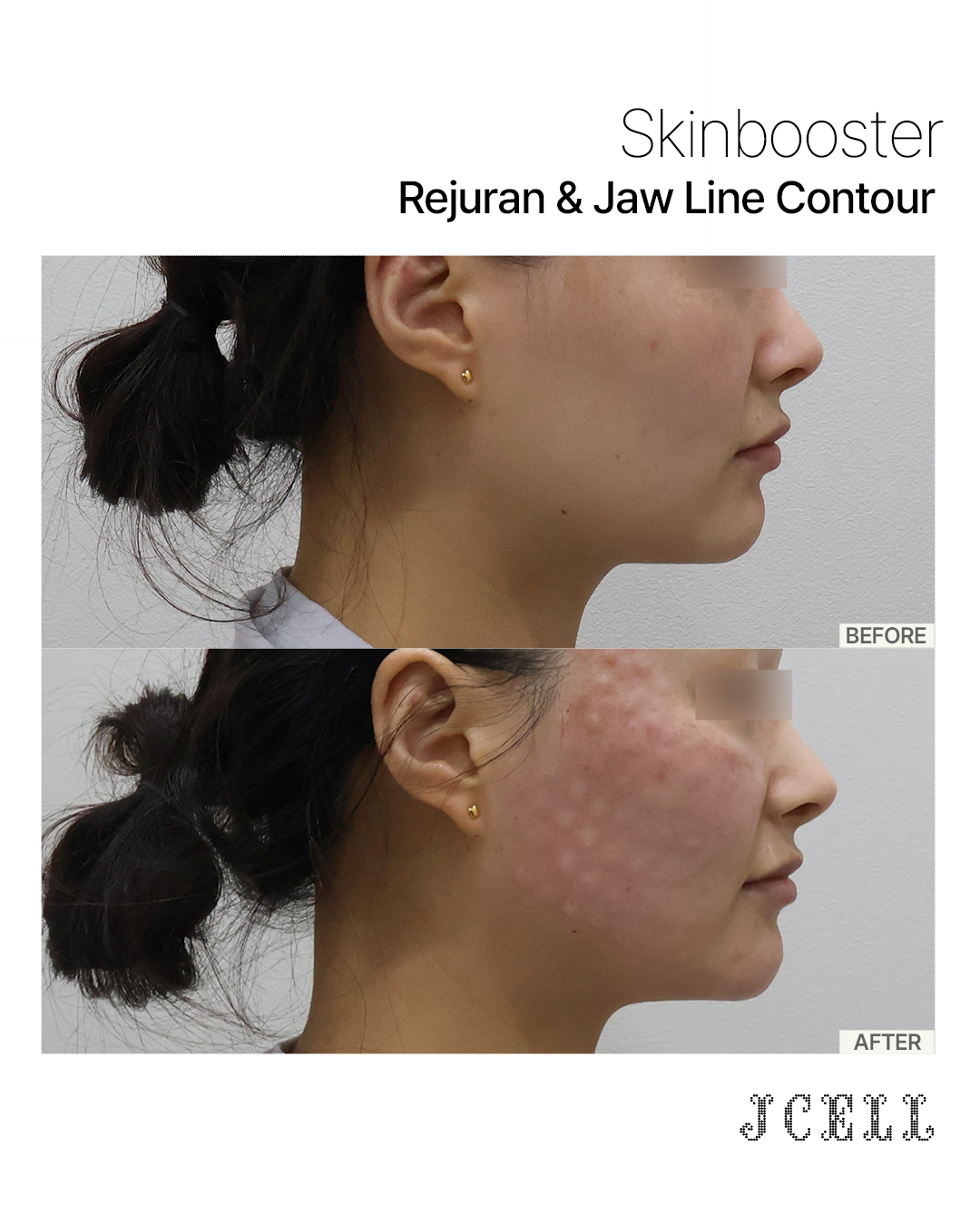
- Noticeable Scar Depth Reduction: Gradually fills in and lifts rolling, boxcar, and atrophic acne scars.
- Refining Enlarged Pores & Texture: Smooths out rough, uneven skin surfaces and shrinks dilated pore structures surrounding scar zones.
- Prevention of Post-Inflammatory Hyperpigmentation (PIH): Suppresses excess melanin production during the healing phase, making it safer for darker or pigment-prone skin tones.
- Enhanced Healing Rate: Significantly reduces post-laser or post-needling redness, swelling, and recovery times.
- Restoration of Skin Barrier: Rebuilds compromised skin barriers caused by past cystic acne flare-ups or aggressive topical treatments.
The Treatment Process: Step-by-Step
A comprehensive exosome scar remodeling session in Seoul usually takes 60 to 90 minutes.
- Skin & Scar Diagnosis: A dermatologist conducts a close evaluation of your scar types (rolling, boxcar, icepick, or hypertrophic) and determines whether a combination of RF microneedling (like Potenza), subcision, or fractional laser delivery is best.
- Deep Cleansing & Numbing: The skin is sanitized, and a potent topical anesthetic cream is applied for 20 to 30 minutes to ensure a comfortable experience.
- Dermal Micro-Channeling or Energy Delivery: The physician uses RF microneedling or fractional laser energy to break up fibrous scar tissue and open micro-channels deep into the dermis.
- Exosome Infusion: Premium exosome formulation (such as ASCE+) is applied thoroughly across the skin, allowing the nanoparticles to penetrate deep into the active channels.
- Ultrasonic Transdermal Absorption: Ultrasound technology (such as LDM) or cryo-electroporation is used to push exosome vesicles further into the deepest scar layers.
- Soothing Post-Care: The treatment finishes with LED red light therapy and a medical-grade soothing cooling mask to calm immediate skin reactivity and lock in active growth factors.
Precautions & Aftercare Guidelines
- First 24 Hours: Avoid washing your face with tap water, touching the skin, or applying cosmetics until all micro-channels have sealed naturally.
- Strict UV Protection: Apply broad-spectrum SPF 50+ daily starting 24 hours post-procedure to protect fresh, regenerating skin from UV rays.
- Avoid Heat & Sweat: Skip saunas, hot showers, steam rooms, and intense exercise for 3 to 5 days to avoid aggravating heat or redness.
- Pause Active Ingredients: Do not use Retinoids, Vitamin C, AHAs, or BHAs for at least 7 days post-treatment. Focus strictly on hydration and barrier repair.
- Downtime Expectation: Redness and mild swelling typically dissipate within 24 to 48 hours—significantly faster than traditional scar treatments without exosome infusion.
Estimated Cost Range in Korea
Prices in South Korea depend on whether exosomes are paired with standard microneedling, RF microneedling (Potenza/Sylfirm X), or ablative lasers:
- Microneedling + Exosome Infusion: Approximately ₩300,000 to ₩500,000 KRW ($220 – $370 USD) per session.
- RF Microneedling (Potenza) + Exosome Combination: Approximately ₩500,000 to ₩900,000 KRW ($370 – $670 USD) per session.
- Comprehensive Scar Package (Subcision + Fractional Laser + Exosomes): Approximately ₩700,000 to ₩1,300,000 KRW ($520 – $960 USD) per session.
- Multi-Session Scar Program (3 Sessions): Approximately ₩1,200,000 to ₩2,200,000 KRW ($900 – $1,650 USD).
Why Choose Korea for Acne Scar Remodeling With Exosomes?
- World Leaders in Exosome Biotechnology: South Korea is at the forefront of regenerative medicine, home to global biopharma leaders producing highly pure, clinical-grade exosome formulations with standardized particle counts.
- Multi-Layered Combination Protocols: Korean dermatologists excel at custom combination therapies, combining subcision, energy-based RF microneedling, and exosomes in a single session for maximum scar lifting.
- Safer Protocols for Hyperpigmentation-Prone Skin: Korean scar protocols are specifically refined to prevent post-laser hyperpigmentation, using exosomes to cool inflammation and control pigment production.
- Affordable Access to Advanced Care: Foreign patients can access top-tier regenerative scar treatments in Seoul at 40% to 60% lower costs than comparable stem-cell protocols in Western countries.
Final Thoughts
Acne scar remodeling requires more than just breaking down damaged skin—it requires providing the body with the right biological building blocks to rebuild smooth, healthy tissue. By combining energy-based physical resurfacing with stem-cell-derived exosomes, patients can achieve faster scar elevation, smoother skin texture, and dramatically reduced downtime. For medical tourists visiting South Korea, an exosome scar remodeling program represents one of the most effective, science-backed solutions for long-term skin restoration.