Fibroblasts and Skin Aging
At the core of skin health, elasticity, and firmness lies a fundamental cell type: the dermal fibroblast. As the primary engines of the extracellular matrix (ECM), fibroblasts are responsible for producing the structural proteins that keep skin smooth, supple, and youthful.
Understanding how fibroblasts function—and how their activity declines over time—is essential for grasping how modern regenerative aesthetic treatments restore skin quality at a cellular level.
The Vital Role of Fibroblasts in Dermal Health
Fibroblasts are specialized cells located within the dermis layer of the skin. They act as the primary architects of the dermal matrix by synthesizing key structural components:
- Type I & Type III Collagen: Fibers that provide mechanical strength, structural integrity, and tensile resistance against gravity and facial movement.
- Elastin Fibers: Elastic proteins that allow skin to stretch and snap back into place without sagging.
- Hyaluronic Acid & Glycosaminoglycans (GAGs): Essential molecules that bind water within the dermal matrix, maintaining deep skin hydration and volume.
- Extracellular Matrix (ECM) Remodeling Enzymes: Enzymes that continuously break down damaged tissue and synthesize fresh dermal components to maintain skin homeostasis.
How Aging Affects Fibroblast Function
As skin undergoes both intrinsic (chronological) and extrinsic (photoaging from UV radiation) aging, fibroblast function gradually declines through several biological shifts:
- Decreased Proliferation & Activity: Fibroblasts produce significantly less Type I collagen and hyaluronic acid each year, leading to dermal thinning and loss of elasticity.
- Cellular Senescence: Aging fibroblasts enter a state of senescence, where they stop dividing but remain metabolically active, secreting matrix-degrading enzymes (MMPs) that break down surrounding collagen.
- Loss of Mechanical Tension: As the surrounding extracellular matrix degrades, fibroblasts lose their physical attachment points, causing them to collapse and further diminish collagen synthesis.
- Increased Skin Fragility: Reduced dermal density results in visible fine lines, crepey skin texture, hollow contours, and prolonged healing times.
Modern Aesthetic Strategies to Reactivate Fibroblasts
Modern aesthetic dermatology focuses on reactivating dormant or aging fibroblasts to induce neocollagenesis (new collagen formation) through targeted biological and mechanical pathways:
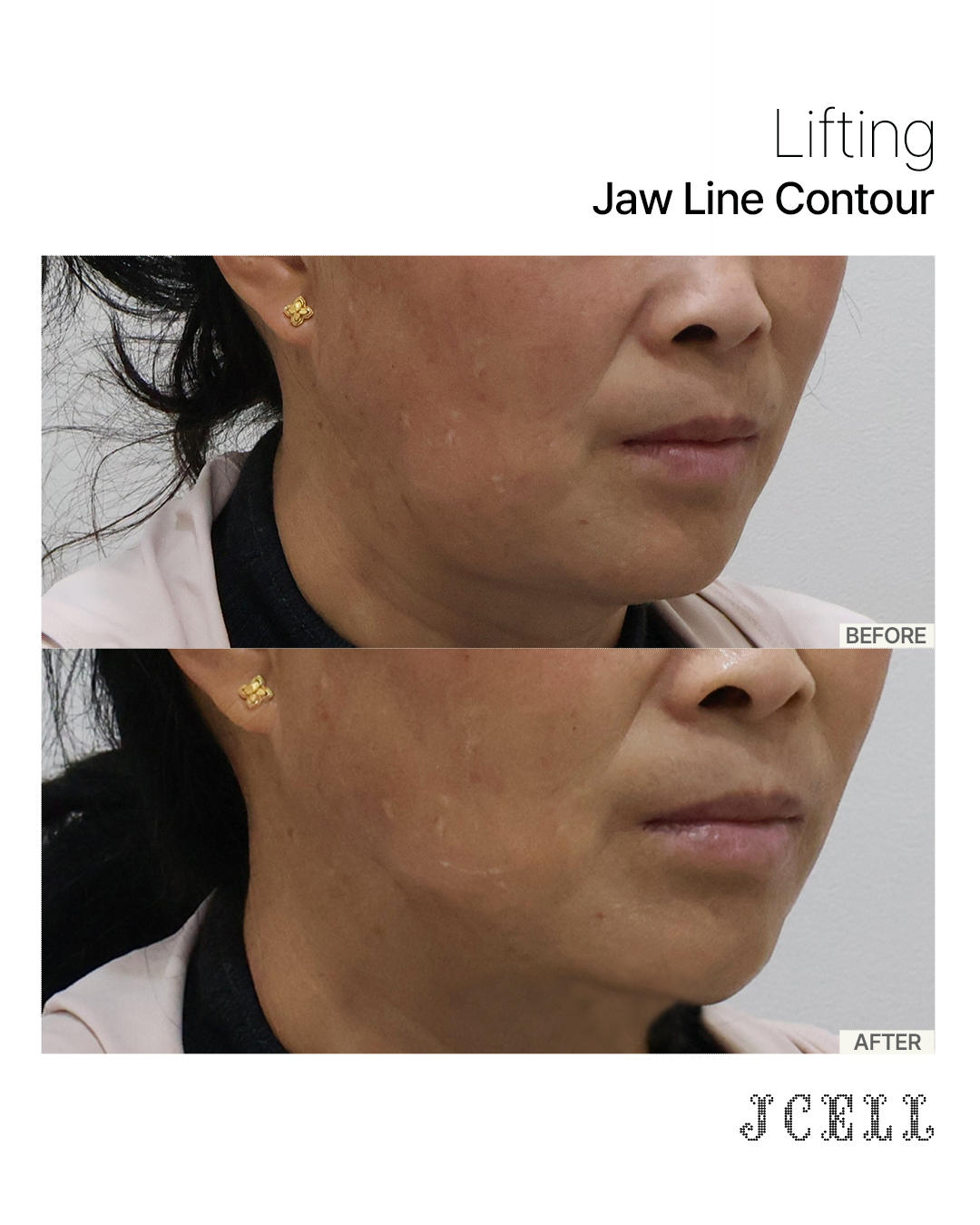
- Injectable Biostimulators (Juvelook & Sculptra): Micro-particle formulations (such as PDLLA or PLLA) act as a scaffold beneath the skin, triggering a controlled response that signals fibroblasts to synthesize new Type I and Type III collagen over several months.
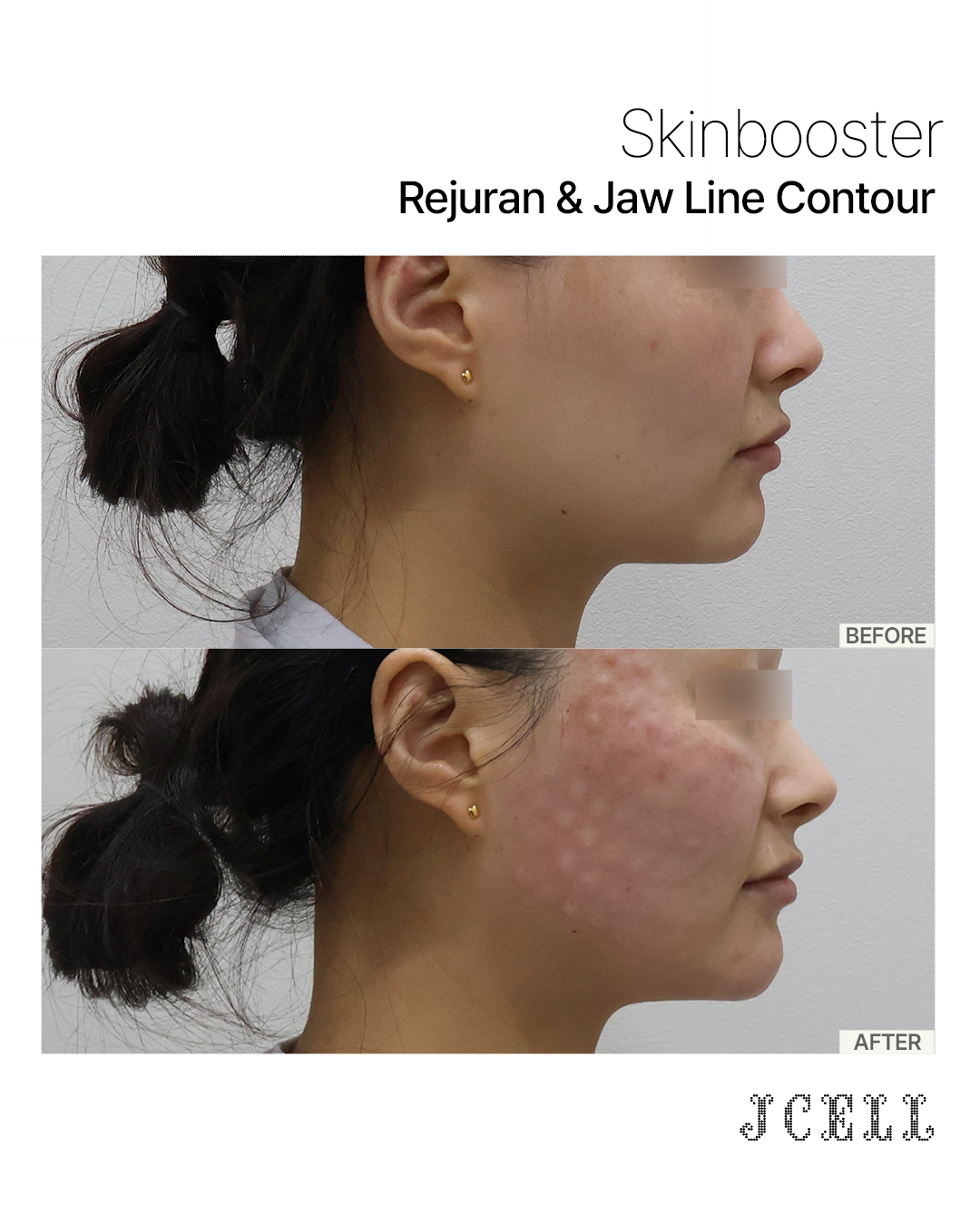
- Polynucleotides & Exosomes (Rejuran Healer): Biological repair agents deliver cellular growth factors and salmon-derived polynucleotides directly to the dermis, restoring damaged ECM microenvironments and stimulating fibroblast proliferation.
- Energy-Based Collagen Remodeling (Ultherapy & Radiofrequency): High-Intensity Focused Ultrasound (HIFU) and RF devices deliver precise thermal energy to the deep dermis, contracting existing collagen and signaling fibroblasts to initiate structural remodeling.
- RF Microneedling (Potenza & Sylfirm X): Combines physical micro-injuries with radiofrequency energy to stimulate wound-healing cascades, prompting robust fibroblast migration and dermal thickening.
Key Benefits of Fibroblast-Targeted Treatments
Focusing on fibroblast activation rather than merely adding temporary surface volume provides long-term aesthetic advantages:
- Natural Structural Support: Results build progressively as your body generates its own natural collagen network, avoiding an over-filled or artificial appearance.
- Improved Skin Quality & Density: Restoring the dermal matrix refines pore size, smooths crepey texture, and enhances natural skin radiance.
- Sustained Longevity: Biostimulatory and energy-based treatments create structural improvements that last significantly longer than traditional hyaluronic acid fillers.
- Preventative Aging (Pre-juvenation): Starting collagen-stimulating treatments in early stages of aging helps preserve dermal density and slows progressive skin laxity.
Final Thoughts
Fibroblasts are the true foundation of youthful, resilient skin. By shifting the focus of aesthetic medicine from temporary volume replacement to active biological stimulation, treatments targeting fibroblast function allow you to rebuild your skin’s internal framework from within. Partnering with experienced dermatologists ensures a customized combination approach that effectively reactivates cellular renewal for natural, long-lasting rejuvenation.