How Long Should You Stay in Korea?
Planning a trip to South Korea for medical and aesthetic procedures requires balancing treatment timelines, recovery periods, and return flight safety. While non-invasive skin treatments allow for quick departures, surgical procedures demand dedicated downtime in Seoul for post-operative care and stitch removal.
Understanding the optimal duration for your stay ensures that your aesthetic transformation is both safe and stress-free.
Recommended Stay Duration by Procedure
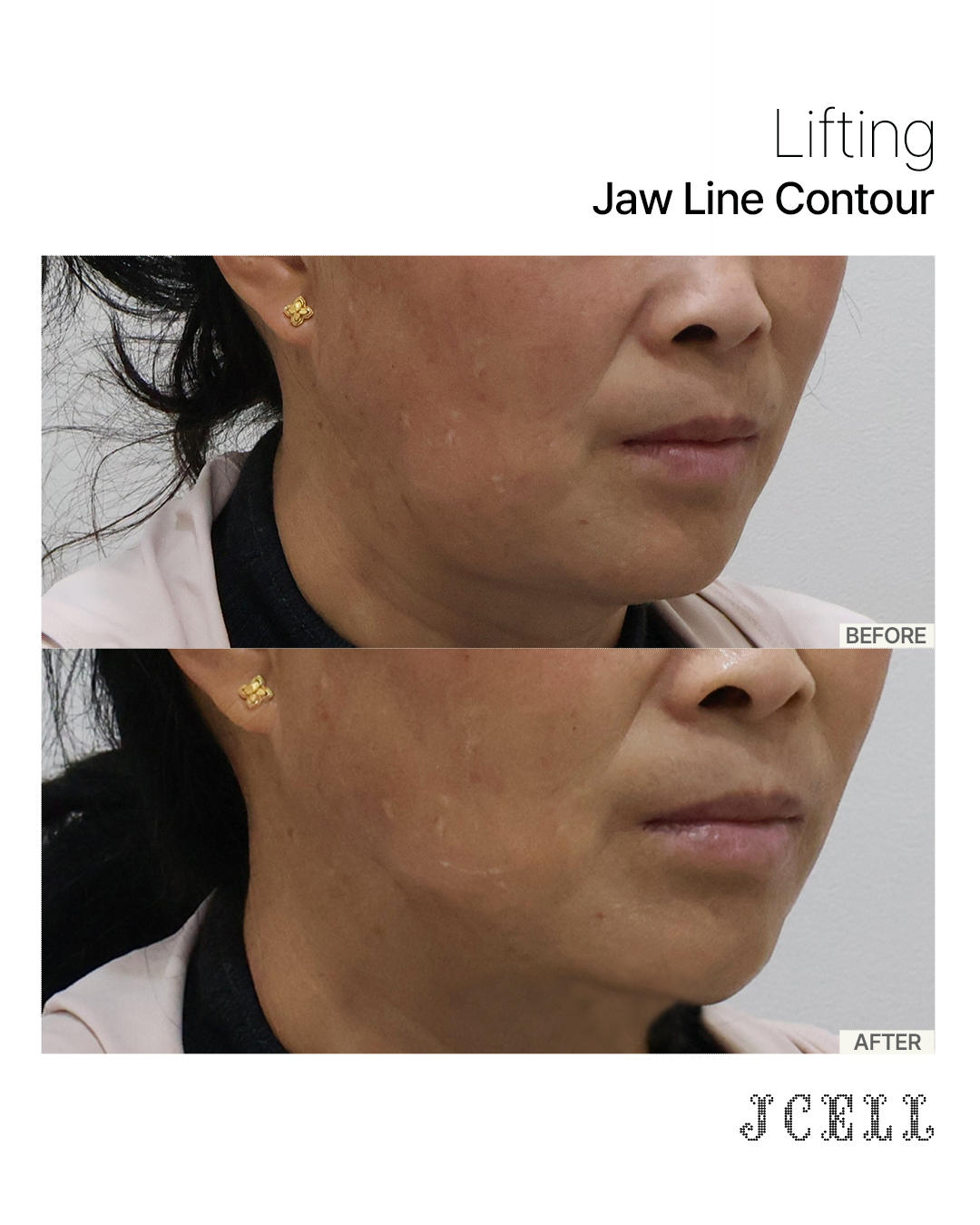
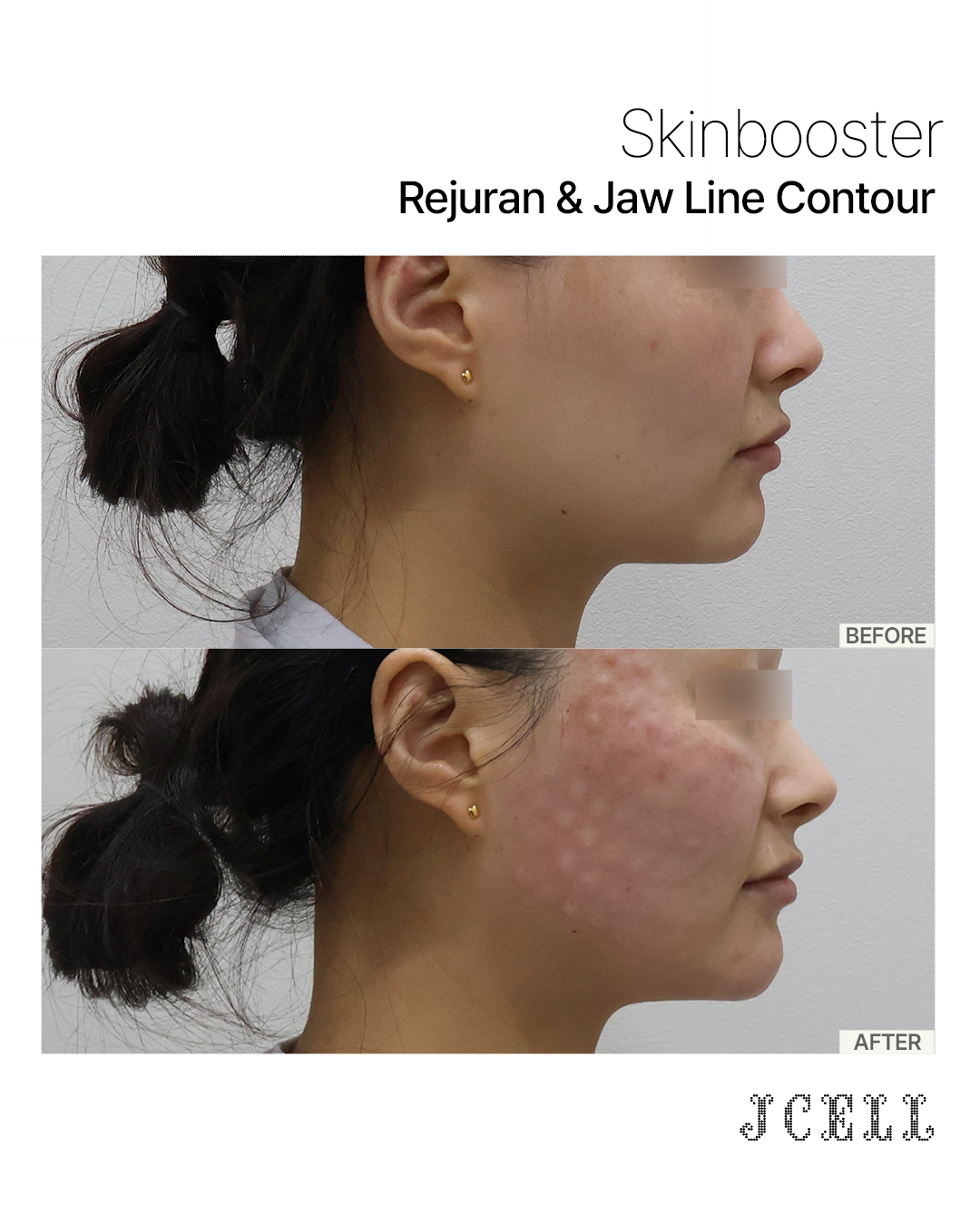
- Skin Boosters & Lasers (1 to 3 Days): Non-invasive skin rejuvenation, Botox, fillers, and laser therapies require virtually no downtime, allowing you to resume normal travel activities almost immediately.
- Hair Transplants (2 to 4 Days): Hair restoration procedures require an initial check-up and scalp washing standardly done on day two or three before flying home.
- Eyelid Surgery (5 to 7 Days): Suture removal for double eyelid or ptosis correction usually takes place around day 5 to 7 post-op.
- Rhinoplasty & Facial Fat Grafting (7 to 10 Days): Splints, internal casts, and sutures are typically removed between days 7 and 10, ensuring swelling is stable for flight pressure.
- Facelifts & Facial Contouring (10 to 14 Days): Complex surgeries require extended monitoring for swelling management, tissue stabilization, and multi-stage suture removal before long-haul travel.
Sample Trip Timeline: What Your Stay Looks Like
- Days 1–2 (Consultation & Treatment): In-person evaluation, pre-op clearance, and procedure execution.
- Days 3–5 (Peak Swelling & Initial Care): High-rest period focused on cold compresses, clinic-provided deswelling treatments, and medication adherence.
- Days 6–10 (Follow-ups & Suture Removal): In-person post-op visits to remove stitches or splints and clear you safely for departure.
- Day 11+ (Final Check & Flying Home): Final surgeon review and clearance to fly back safely without risk of cabin pressure complications.
Navigating Airplane Cabin Pressure & In-Flight Risks
Understanding the physiological impact of flying after cosmetic procedures is essential when scheduling your departure flight from Seoul:
- Managing Cabin Pressure Fluctuations: Aircraft cabin pressure drops at high altitudes, causing tissues to expand. Flying too soon after surgery can severely worsen swelling, delay healing, or cause micro-bleeding under the skin.
- Minimizing Deep Vein Thrombosis (DVT) Risks: Long-haul flights following major procedures carry an increased risk of blood clots. Staying in Korea for the recommended recovery window allows your circulatory system to stabilize before long travel.
- In-Flight Emergency Care Disconnect: Experiencing unexpected post-operative complications like sudden hematomas or acute pain mid-flight leaves you without immediate access to your operating surgeon, making local recovery in Seoul far safer.
Maximizing Post-Operative Care in Seoul Clinics
Staying in South Korea during your initial recovery phase gives you direct access to world-class post-procedure medical management:
- In-House Deswelling & LED Therapies: Leading Korean clinics provide dedicated post-care treatments, including HE-NE laser therapies, hyperbaric oxygen chambers, and lymphatic drainage treatments to accelerate swelling reduction.
- Immediate Access to Operating Surgeons: If any asymmetric swelling, minor wound discharge, or pain occurs, you can visit your clinic immediately for professional assessment and medication adjustments.
- Professional Dressing & Wound Management: Specialized nurses handle all sterile bandage changes, cleaning, and wound care during your stay, significantly reducing the risk of post-treatment infections.
Key Logistics & Recovery Guidelines
- Surgeon Flying Clearance: Never book an early departure without explicit clearance from your operating doctor, as airplane cabin pressure can exacerbate internal swelling.
- Strategic Accommodations: Reserve hotel lodging within walking distance or a short taxi ride from your clinic to make daily or bi-daily follow-ups hassle-free.
- Multiple Procedure Rule: If combining treatments, always plan your stay duration around the procedure with the longest recovery requirement.
- VAT Tax Refund Timing: Keep in mind that medical tax refunds must be claimed at designated counters before departing Korea.
Final Thoughts
Booking an adequate timeframe ensures your initial recovery occurs under the direct supervision of your medical team in Seoul. Giving your body the necessary days to heal before flying home is the single best investment you can make for safe, long-lasting aesthetic results.