How Skin Ages at the Cellular Level
Skin aging is often discussed in terms of surface wrinkles and sagging, but these visible changes are merely the downstream effects of microscopic biological events. Beneath the epidermal surface, a cascade of cellular mechanisms—ranging from DNA damage and cellular senescence to extracellular matrix (ECM) degradation—gradually alters the structural density and regenerative capacity of the skin. Understanding skin aging at the cellular level reveals why surface hydration is rarely enough and why modern aesthetic medicine focuses heavily on biological biostimulation and tissue repair.
1. Cellular Senescence: The "Zombie Cell" Phenomenon
The primary engine driving cellular skin aging is cellular senescence.
- Replicative Arrest: Healthy skin cells (such as keratinocytes in the epidermis and fibroblasts in the dermis) divide regularly to maintain tissue renewal. Over time—due to telomere attrition, oxidative stress, and DNA damage—these cells enter a permanent state of growth arrest known as senescence. They stop dividing but refuse to undergo natural programmed cell death (apoptosis).
- The Senescence-Associated Secretory Phenotype (SASP): Rather than remaining inactive, senescent cells act as "zombie cells" that actively secrete a destructive mix of pro-inflammatory cytokines, chemokines, and matrix-degrading enzymes. This continuous inflammatory signaling damages surrounding healthy cells and accelerates tissue degradation.
2. Fibroblast Dysfunction & Mechanical Uncoupling
Dermal fibroblasts are the master builder cells responsible for synthesizing collagen, elastin, and hyaluronic acid—the three pillars of youthful skin density.
- Loss of Mechanical Tension: In young skin, fibroblasts attach firmly to a dense, taut collagen network. This physical stretching signals the fibroblast to remain active and continually produce fresh structural proteins.
- The Collapse Cycle: As collagen fibers fragment with age, fibroblasts lose their physical attachment points. Unanchored and collapsed, the fibroblasts receive fewer mechanical signals, causing their output of Type I and Type III collagen to drop while increasing their production of collagen-degrading enzymes (Matrix Metalloproteinases, or MMPs).
3. Extracellular Matrix (ECM) Breakdown
The Extracellular Matrix (ECM) is the gel-like structural meshwork in the dermis that provides volume, elasticity, and hydration.
- MMP Overactivity: Stressors such as UV exposure (photoaging) and ROS (reactive oxygen species) activate MMP enzymes.MMP-1 specifically chops intact collagen triple-helices into fragments, while MMP-3 and MMP-9 degrade elastic fibers and basement membranes.
- Elastosis: Fragmented elastic fibers accumulate into abnormal, clumped masses—a hallmark of photoaged skin known as solar elastosis—causing the skin to lose its natural "bounce" and resilience.
- Hyaluronic Acid Depletion: The synthesis of dermal hyaluronic acid decreases, reducing the skin's capacity to bind moisture, resulting in dermal thinning and deep structural dehydration.
4. Mitochondrial Dysfunction & Free Radical Stress
Mitochondria are the cellular powerhouses that generate adenosine triphosphate (ATP) for cellular repair and protein synthesis.
- Oxidative Stress Accumulation: Both normal cellular metabolism and external environmental factors generate Reactive Oxygen Species (ROS). Over time, ROS damage mitochondrial DNA, leading to impaired cellular energy production.
- Energy Crisis: Starved of ATP, aging epidermal stem cells and dermal fibroblasts lose their ability to repair daily structural damage, synthesize fresh structural proteins, or maintain a healthy barrier function.
5. Epidermal-Dermal Junction (EDJ) Flattening
The Epidermal-Dermal Junction (EDJ) is the wavy, interlocking interface that anchors the outer epidermis to the underlying dermis.
- Loss of Surface Area: In youthful skin, finger-like projections (rete ridges) provide a large surface area for nutrient and oxygen transfer from the vascularized dermis to the avascular epidermis.
- Increased Fragility: As collagen Type IV and VII decrease at the basement membrane, these ridges flatten. This reduces nutrient flow, slows epidermal cell turnover (extending the skin renewal cycle from 28 days to over 50 days), and makes the skin thinner, more fragile, and slower to heal.
6. Advanced Glycation End-Products (AGEs)
Beyond enzymatic degradation, skin aging is driven by a non-enzymatic chemical process called glycation.
- Protein Cross-Linking: Excess sugar molecules in the bloodstream attach directly to collagen and elastin fibers, forming harmful compounds known as Advanced Glycation End-products (AGEs).
- Loss of Pliability: Glycation causes flexible, resilient collagen fibers to become stiff, cross-linked, and brittle. This compromised collagen network snaps easily under mechanical stress, contributing directly to static wrinkle formation.
Modern Clinical Solutions Targeted at Cellular Aging
Understanding these microscopic mechanisms has shifted modern dermatology away from temporary surface volume toward cellular regeneration:
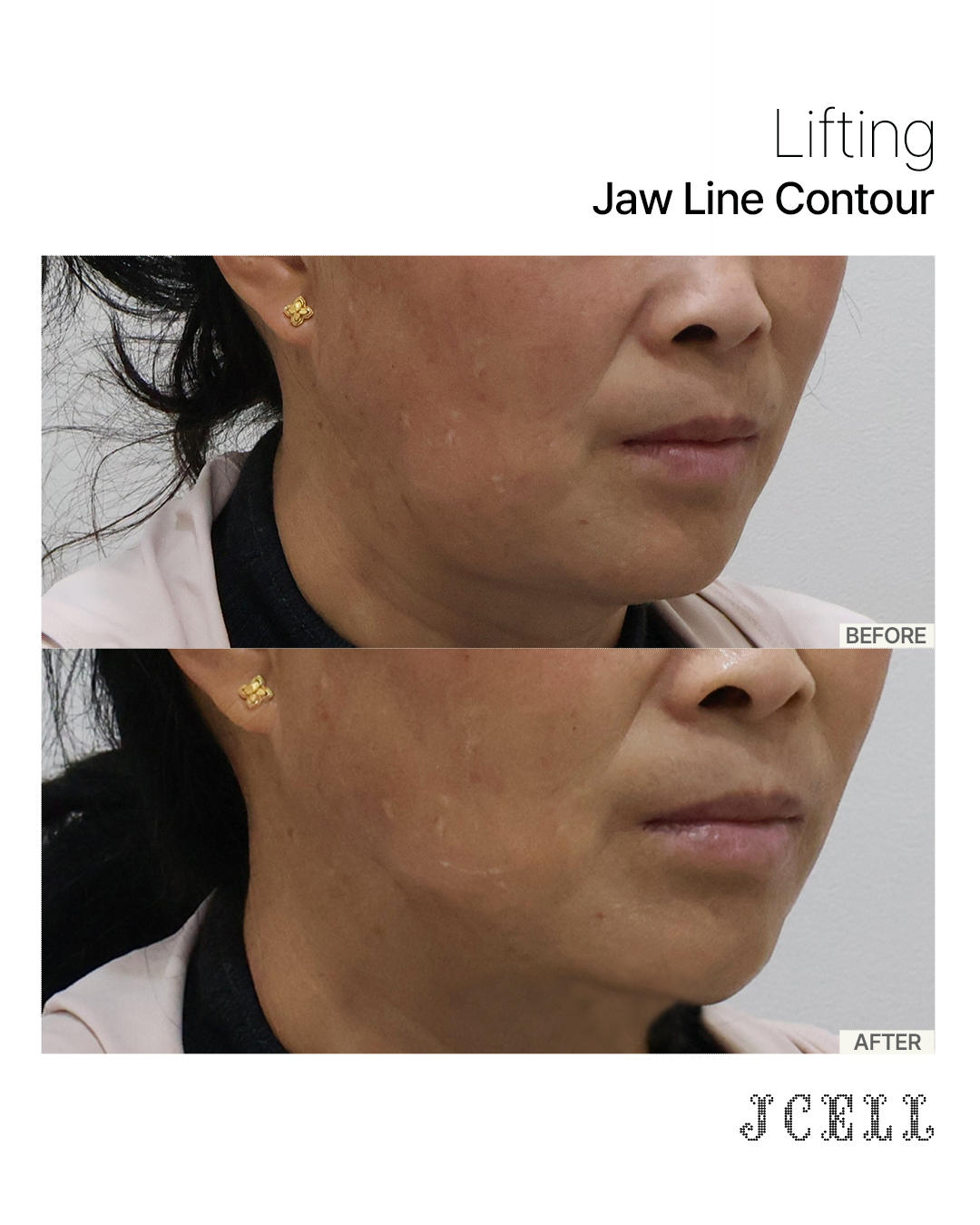
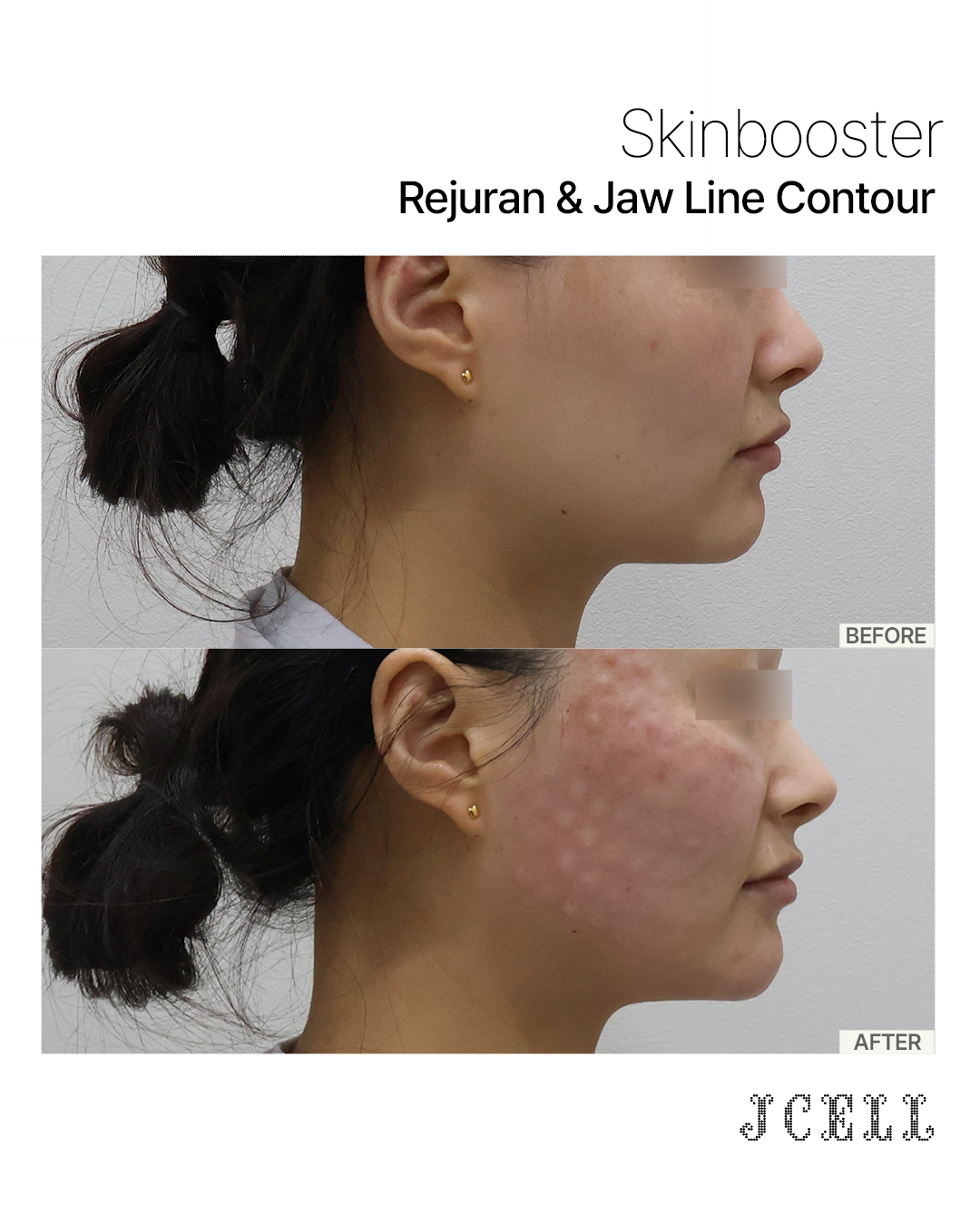
- Polynucleotides (Rejuran Healer): Delivers purified DNA fragments to repair cellular damage, soothe SASP-driven inflammation, and restore extracellular matrix health.
- Injectable Biostimulators (Juvelook, Sculptra): Re-establishes mechanical tension in the dermis by providing a physical scaffold that reactivates collapsed fibroblasts, triggering fresh neocollagenesis.
- Energy-Based Devices (RF & HIFU): Uses controlled thermal energy to clear senescent fibers, contract the dermal matrix, and signal healthy fibroblasts to rebuild dense Type I and Type III collagen networks.
Final Thoughts
Skin aging is not simply a matter of gravity pulling down on soft tissue—it is a progressive decline in cellular functionality, structural signaling, and matrix repair. By focusing on interventions that restore mitochondrial energy, calm cellular inflammation, and stimulate fibroblast activity, modern regenerative aesthetics allows you to address aging directly at its biological source.