How Stem Cells Support Collagen Production
As skin ages, its structural support system naturally degrades. Collagen—the crucial protein responsible for firmness, elasticity, and youthful structure—declines by roughly 1% every year after age 20. While conventional anti-aging treatments focus on topical hydration or temporary muscular relaxation, Stem Cell Therapy targets the biological mechanism of aging by stimulating direct, long-term collagen synthesis deep within the dermis.
How Stem Cells Stimulate Collagen at a Cellular Level
Stem cells do not simply act as fillers; they function as biological repair engines. When introduced into the skin, stem cells trigger collagen production through key scientific pathways:
- Reactivating Dormant Fibroblasts:Fibroblasts are the primary cells responsible for manufacturing collagen and elastin.As skin ages, these cells become sluggish.Stem cells release concentrated growth factors (such as TGF-beta and FGF) that wake up dormant fibroblasts, signaling them to resume active collagen synthesis.
- Paracrine Signaling Mechanism:Stem cells communicate with surrounding tissue by secreting extracellular vesicles, exosomes, and cytokines. These signaling proteins deliver genetic instructions that encourage neighboring skin cells to repair damaged dermal structures.
- Inhibiting Collagen Degradation: Environmental stressors like UV rays activate enzymes (matrix metalloproteinases, or MMPs) that break down existing collagen. Stem cell secretomes suppress these collagen-degrading enzymes, protecting new and existing fibers.
- Promoting Angiogenesis:Stem cells stimulate the creation of micro-blood vessels (vascular endothelial growth factors), increasing nutrient and oxygen delivery to fibroblasts so they can sustain collagen production over time.
What is Stem Cell Therapy for Collagen Enhancement?
Stem cell collagen therapy is a regenerative dermatological treatment that utilizes living autologous stem cells (harvested from your own blood or fat tissue) or concentrated stem-cell secretomes/exosomes. Rather than injecting synthetic volume, the procedure delivers rich biological growth factors into the deep dermis via micro-injections or microneedling (MTS). This triggers the body's natural wound-healing cascade, resulting in authentic structural collagen remodeling.
Key Benefits & Effects on Collagen Loss
- Restored Dermal Density: Rebuilds the underlying skin matrix, making thin, fragile skin noticeably firmer and thicker.
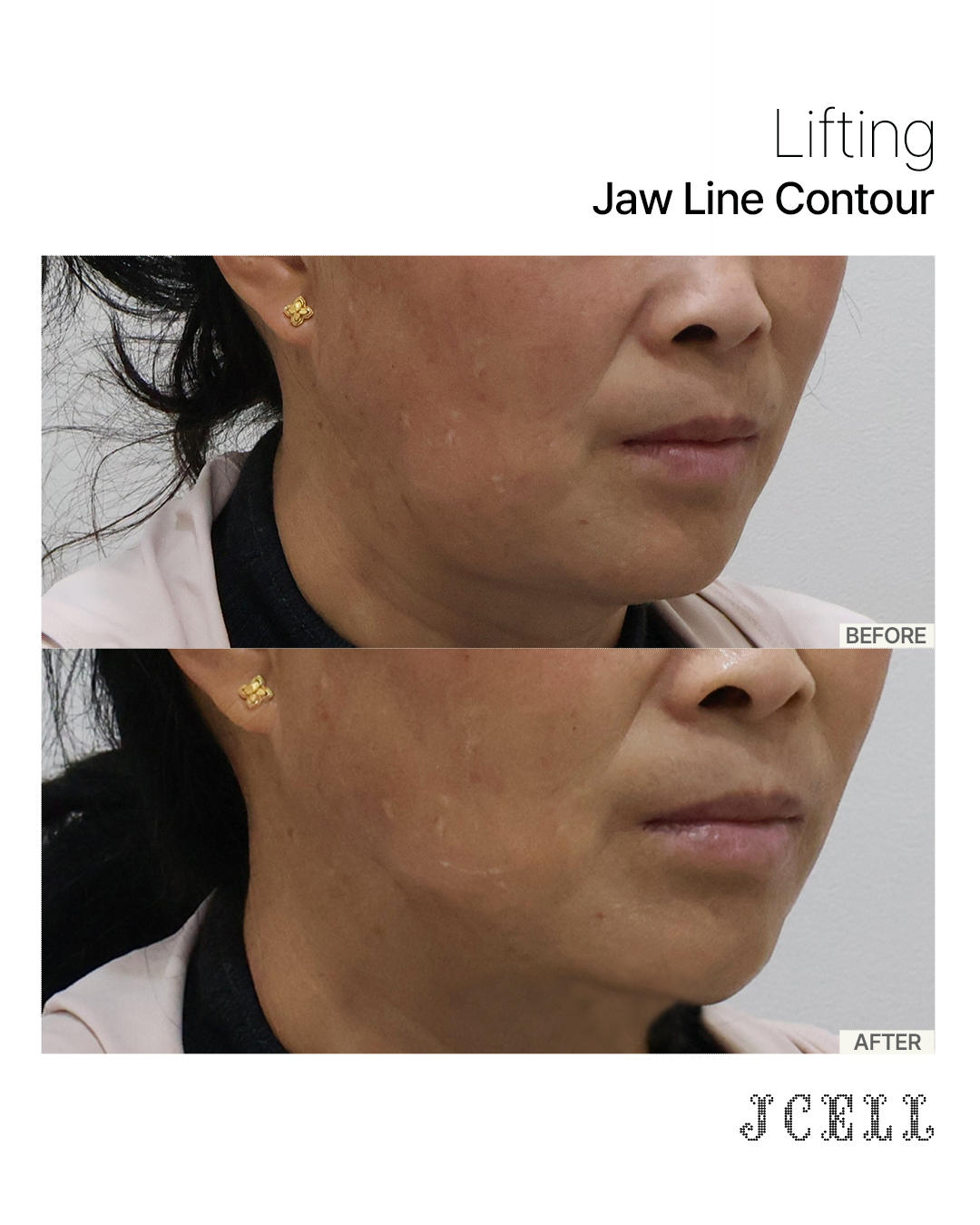
- Wrinkle & Crease Softening: Fills in fine lines, crow's feet, and smile lines from the inside out through natural collagen deposition.
- Improved Elasticity & Bounce: Increases elastin production alongside collagen, restoring natural skin recoil and tightness.
- Scars & Pore Refinement: Remodels irregular scar tissue (such as acne indentations) by reorganizing messy collagen fibers into smooth, structured layers.
- Long-Lasting Rejuvenation: Because the skin generates its own structural tissue, results evolve naturally over months rather than dissolving quickly.
The Treatment Process: Step-by-Step
The collagen-boosting stem cell treatment takes approximately 1.5 to 3 hours from extraction to application.
- 1-on-1 Dermatologist Consultation: The specialist assesses skin thickness, elasticity loss, and target areas to determine the ideal cell source and concentration.
- Sample Harvesting: A minimal blood sample or a small amount of adipose (fat) tissue is collected under local numbing cream or local anesthesia.
- Centrifugation & Processing: The sample undergoes high-precision centrifugal separation to isolate active stem cells, growth factors, and exosomes.
- Targeted Delivery: The concentrated biological serum is introduced into the deep dermal layer using ultra-fine micro-dermal injections or microneedling delivery.
- Soothing Post-Care: A cooling regenerative mask combined with red LED light therapy is applied to accelerate healing and reduce initial redness.
Precautions & Post-Treatment Care
- First 24 to 48 Hours: Avoid applying heavy makeup, washing your face with harsh cleansers, or engaging in intense exercise that causes heavy sweating.
- Daily UV Protection: Apply broad-spectrum SPF 50+ consistently; new collagen fibers forming in the dermis must be shielded from UV degradation.
- Avoid Heat & Alcohol: Refrain from saunas, hot baths, and alcohol for 1 week post-procedure to prevent swelling and localized inflammation.
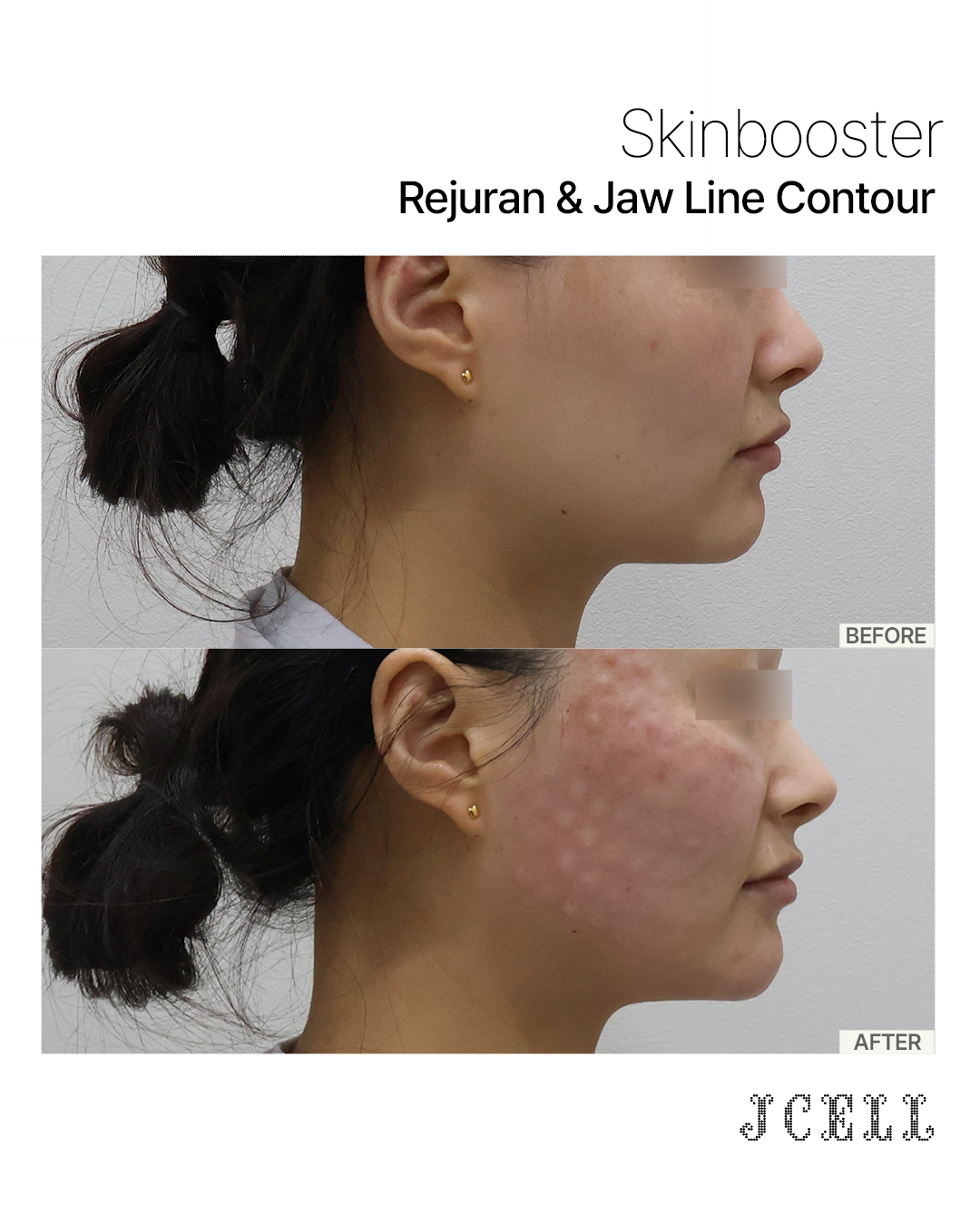
- Downtime Expectations: Mild redness, slight swelling, or tiny pinpoint marks may linger for 2 to 4 days. Most patients resume normal travel and daily activities immediately.
Estimated Cost Range in Korea
Costs vary depending on whether blood-derived stem cells, fat-derived (ADSC) stem cells, or combination laser protocols are chosen:
- Blood-Derived Collagen Stem Cell Facial: Approximately $700 to $1,800 USD per session
- Fat-Derived Stem Cell (ADSC) Collagen Rejuvenation: Approximately $3,000 to $7,000 USD per session
- Stem Cell + RF Microneedling Combination Package: Approximately $2,000 to $4,500 USD per session
Why Choose Korea for Collagen Stem Cell Therapy?
- Pioneering Cellular Technology: Korea’s top clinics utilize closed-system centrifuges and isolation equipment that preserve maximum cell viability and growth factor concentration.
- Strict Safety Regulations: Facilities operate under rigorous oversight from South Korea’s Ministry of Food and Drug Safety, ensuring strict sterile biological handling.
- Synergistic Collagen Protocols: Dermatologists in Seoul specialize in combining stem cell injections with collagen-stimulating energy devices (such as RF microneedling or high-intensity lasers) to compound skin remodeling.
- World-Class Service for Tourists: Clinics offer English-speaking coordinators, transparent pricing structure, and customized recovery plans to accommodate international travel schedules.
Final Thoughts
Supporting collagen production through stem cell therapy offers a revolutionary shift from temporary surface fixes to true biological rejuvenation. By reactivating your skin's internal repair machinery, stem cells help rebuild density, elasticity, and smoothness naturally. For international medical tourists seeking long-lasting, science-backed anti-aging treatments with minimal downtime, South Korea’s world-class dermatology centers provide unmatched technology and expertise.