Longevity Medicine Explained
Longevity medicine is a rapidly evolving medical field focused on extending human healthspan—the period of life spent in good health, free from chronic disease and disability—rather than simply extending chronological lifespan. By shifting the clinical approach from reactive disease management to proactive cellular optimization, longevity medicine aims to delay, prevent, or reverse the biological mechanisms of aging.
In modern dermatology and aesthetic medicine, longevity protocols treat the skin not as an isolated surface, but as a direct reflection of systemic biological health and cellular vitality.
The Core Philosophy: Lifespan vs. Healthspan
Traditional reactive medicine focuses on diagnosing and treating diseases after symptoms appear. Longevity medicine redefines this framework:
- Lifespan: The total number of years an individual lives. Advances in sanitation and modern medicine have significantly increased global lifespan, but often at the cost of extended periods of late-life chronic illness.
- Healthspan: The duration of life spent in optimal physical, cognitive, and cellular health. Longevity medicine seeks to compress morbidity—minimizing the period of decline at the end of life so individuals maintain high vitality throughout their years.
Targeting the Biological Hallmarks of Aging
Longevity medicine targets the foundational biological drivers of aging at the cellular and genetic level:
- Cellular Senescence: Identifying and clearing "zombie cells" that stop dividing but continuously secrete pro-inflammatory signals (SASP), damaging surrounding healthy tissue.
- Mitochondrial Dysfunction: Optimizing cellular powerhouses to maintain energy (ATP) production, support repair mechanisms, and reduce oxidative stress.
- Epigenetic Alterations & Telomere Attrition: Preserving gene expression stability and protecting chromosome ends to maintain cellular self-renewal capacity.
- Loss of Proteostasis & ECM Degradation: Preventing misfolded protein accumulation and maintaining the structural integrity of internal organs and dermal matrices.
Advanced Diagnostics in Longevity Medicine
To evaluate an individual's true biological baseline, longevity practitioners utilize advanced diagnostic tools:
- Biomarker Panels & DNA Methylation Clocks: Blood analyses tracking inflammatory markers, metabolic health, hormonal balance, and epigenetic biological age.
- High-Frequency Cutaneous Ultrasound: Visualizing dermal thickness, structural density, and sub-surface collagen reserves in real time.
- Metabolic & VO2 Max Testing: Evaluating cardiovascular resilience, mitochondrial efficiency, and metabolic flexibility.
Longevity Medicine in Aesthetic & Dermal Health
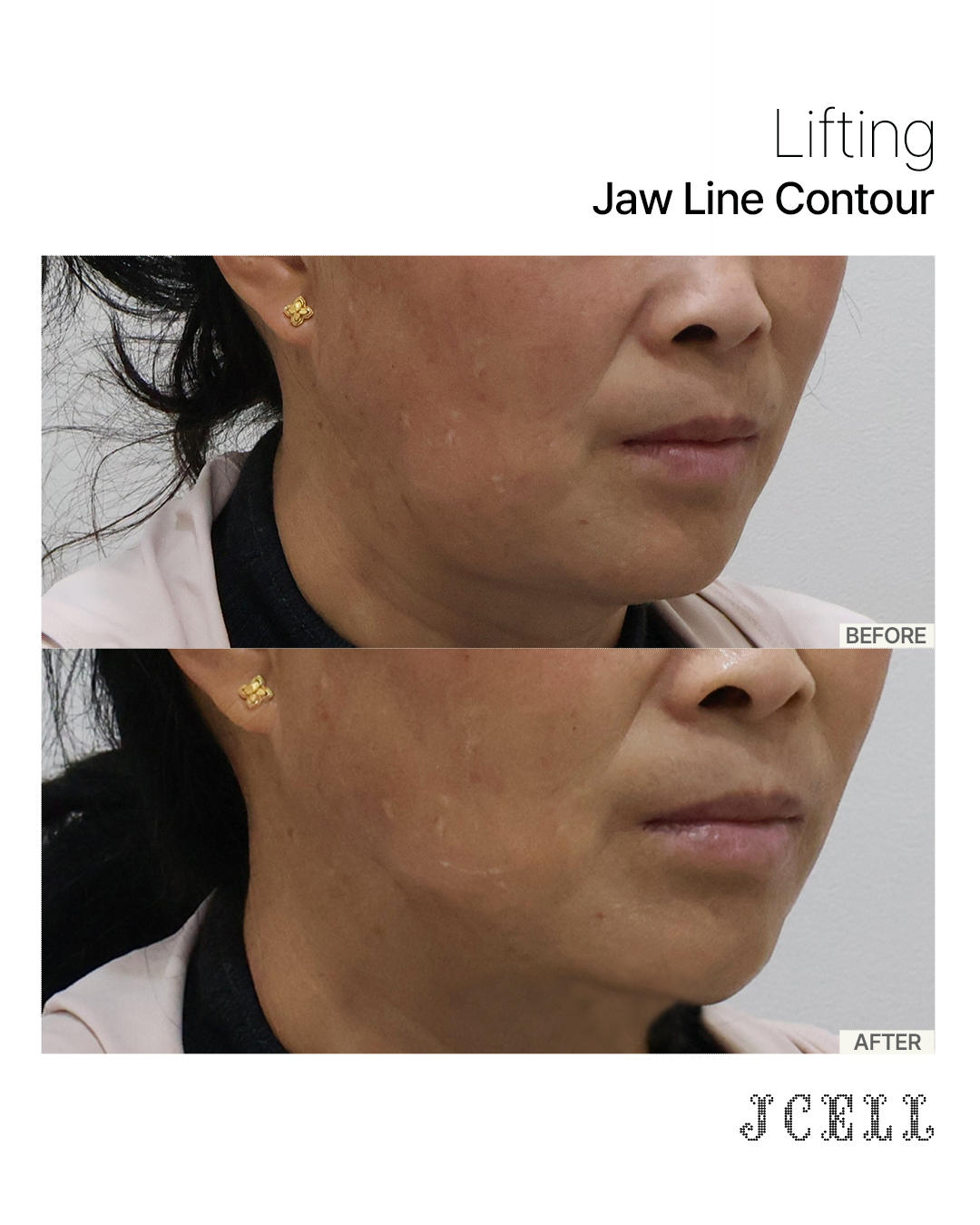
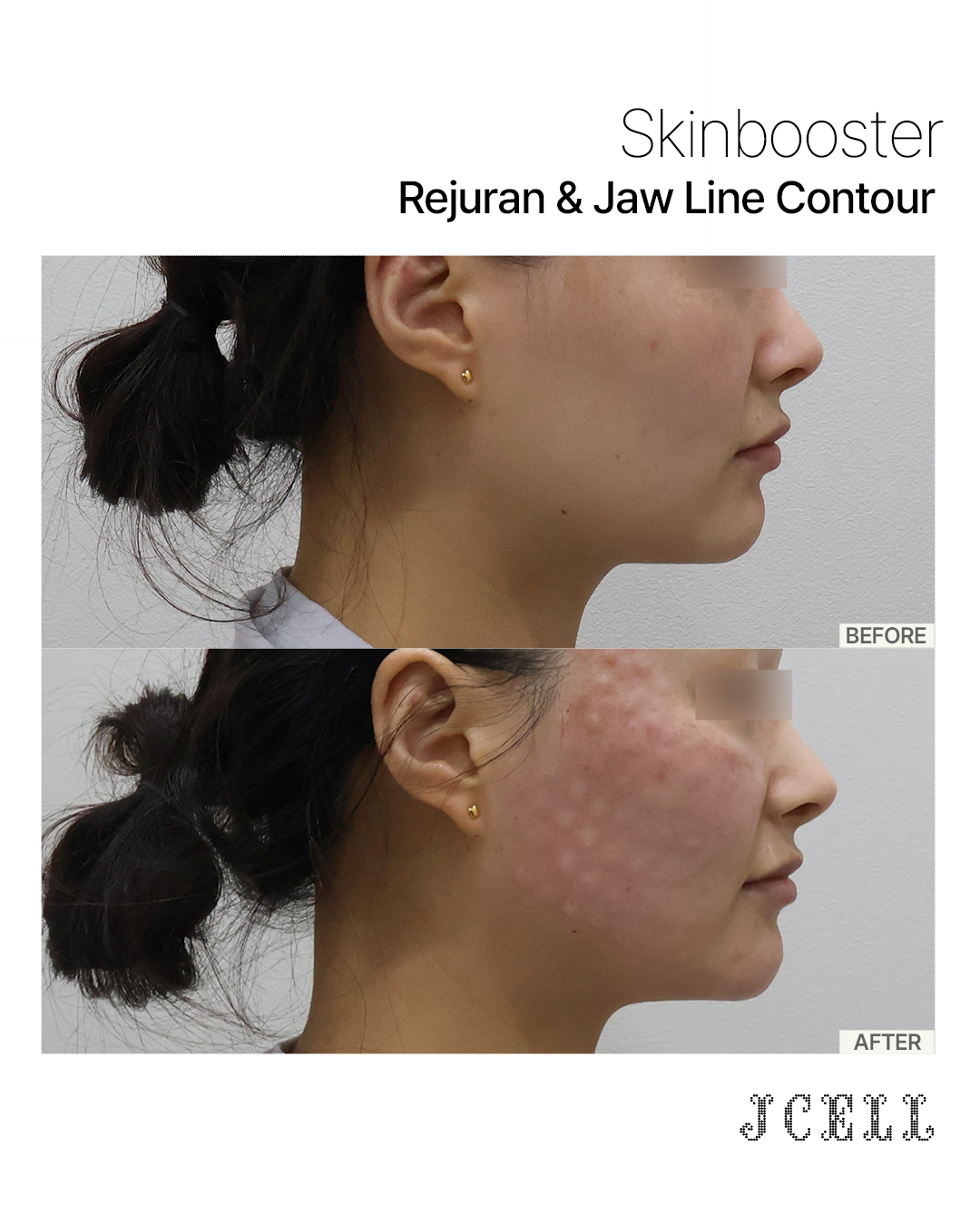
In aesthetic dermatology, longevity principles have driven a shift away from superficial fillers toward regenerative aesthetics and biological rejuvenation:
- Polynucleotide Therapies (Rejuran Healer): Purified DNA fragments repair cellular damage in the extracellular matrix, calm tissue inflammation, and restore skin barrier function at the biological level.
- Biostimulatory Matrix Rebuilding (Juvelook, Sculptra): Micro-particles provide a physical scaffold that reactivates dormant fibroblasts, stimulating long-term neocollagenesis to restore dermal thickness.
- Energy-Based Tissue Remodeling (Thermage FLX, Ultherapy): Precise thermal energy contracts compromised tissue, clears degraded fibers, and signals host repair mechanisms to build fresh, resilient Type I and Type III collagen.
Final Thoughts
Longevity medicine bridges the gap between systemic wellness and structural aesthetics. By addressing cellular inflammation, mitochondrial health, and tissue repair at their root causes, longevity protocols allow individuals to preserve internal vitality, lower their biological age, and maintain dense, resilient skin for decades to come.