Midface Aging Patterns
The midface—stretching from the lower eyelids to the corners of the mouth—is the primary anchor of youthful facial harmony. When we are young, the midface features smooth, convex contours where the lower eyelid seamlessly transitions into a high, rounded cheek. As time passes, progressive anatomical changes across multiple tissue layers alter this balance, causing the midface to flatten, descend, and develop distinct hollows and folds.
Key Anatomical Drivers of Midface Aging
Midface aging is a multi-layered process that affects bone, deep and superficial fat compartments, retaining ligaments, and the overlying skin:
- Maxillary & Zygomatic Bone Resorption: The cheekbone and upper jawbone gradually lose bone density and recede, shrinking the structural foundation that supports the midface.
- Deep Fat Compartment Atrophy: Deep fat pads (such as the sub-orbicularis oculi fat, or SOOF) shrink over time, causing the central cheek to lose its youthful projection and collapse inward.
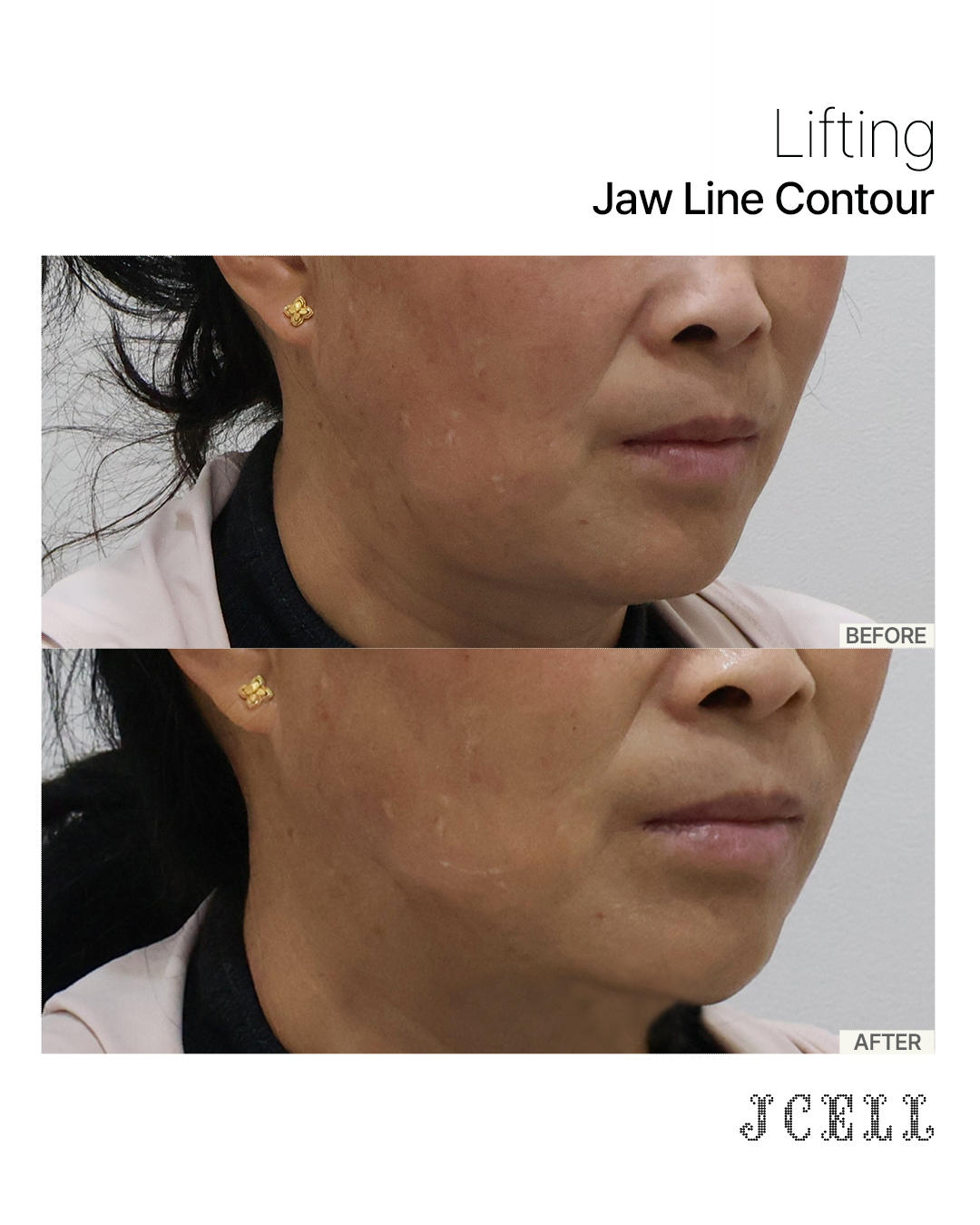
- Superficial Fat Pad Migration & Jowling: As supportive facial retaining ligaments stretch, superficial cheek fat shifts downward under gravity, deepening the nasolabial folds and blurring the jawline.
- Dermal Collagen & Elastin Breakdown: Declining neocollagenesis thins the dermal layer, leading to fine wrinkles, enlarged pores, and a loss of elastic recoil across the cheek canvas.
Recognizable Midface Aging Patterns
These underlying anatomical changes manifest in specific, recognizable clinical patterns:
- Tear Trough & Palpebromalar Grooves: Loss of SOOF fat and skin thinning create dark, hollow crescents under the eyes, exaggerating eye bags and creating a tired appearance.
- Flattened Cheek Projection: Atrophy of the deep central cheek fat pads flattens the youthful cheek apex, making the face appear gaunt or elongated.
- Prominent Nasolabial Folds ("Smile Lines"): Descending superficial fat pads pool against the fixed facial retaining ligaments around the mouth, creating heavy folds from the nose to the mouth corners.
- Malar Mounds & Festoons: Fluid retention and tissue laxity over the outer cheekbone can form soft, raised swellings that disrupt the smooth transition of the cheek.
Synergistic Clinical Solutions for Midface Rejuvenation
Restoring the midface effectively requires a multi-depth combination approach rather than relying on a single treatment modality:
- Deep Structural Volumization (Juvelook Volume, Sculptra): Injecting PDLLA or PLLA biostimulants deep against the periosteum restores lost structural support, lifting the midface naturally via ongoing Type I collagen synthesis.
- Targeted Dermal Tightening (Thermage FLX, Oligio): Monopolar radiofrequency delivers bulk heating into the mid-to-deep dermis to contract slack collagen fibers and firm loose cheek skin.
- Focused SMAS Lifting (Ultherapy, Shurink): Micro-focused ultrasound targets the deep supportive tissue layers (up to 4.5mm) to contract sagging vectors and lift the lower cheek pad.
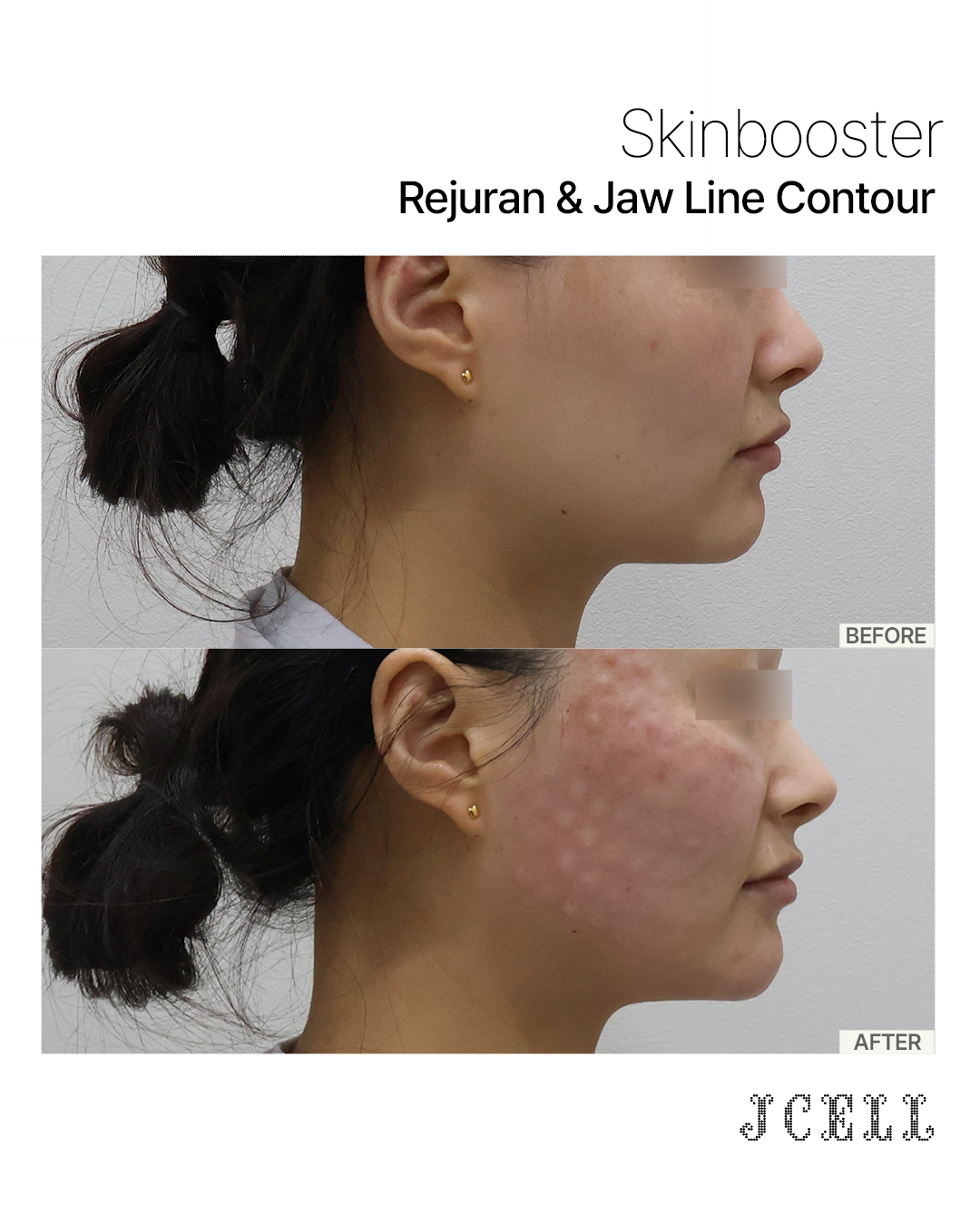
- Cellular ECM Repair (Rejuran Healer, Exosomes): Micro-injections of salmon-derived polynucleotides or stem cell exosomes restore extracellular matrix hydration, calm tissue micro-inflammation, and thicken thin dermal skin around the tear trough.
Estimated Pricing and Treatment Investment
In aesthetic medical centers like South Korea, midface rejuvenation packages vary based on the degree of volume loss, chosen injectables, and energy devices:
- Injectable Biostimulants (Juvelook Volume / Sculptra): Deep collagen-stimulating treatments for cheek restoration typically range from ₩500,000 to ₩1,200,000 KRW per vial or session.
- Hyaluronic Acid Dermal Fillers: HA cheek projection and tear trough treatments generally cost ₩400,000 to ₩1,000,000 KRW per syringe.
- Midface Energy Tightening (Ultherapy / Thermage FLX): Dedicated cheek and lower-eye lifting sessions range from ₩1.2 million to ₩2.5 million KRW.
- Comprehensive Multi-Layer Packages: Full-midface combination protocols pairing biostimulatory volumization with energy devices average ₩2.0 million to ₩4.0 million+ KRW.
Essential Post-Procedure Care
Maintaining optimal biological conditions supports active collagen production and preserves clinical results:
- Daily Photoprotection: Apply broad-spectrum physical SPF 50+ daily to protect newly synthesized collagen from UV-induced degradation.
- Barrier-Restorative Hydration: Use creams rich in ceramides, hyaluronic acid, and peptides to maintain high epidermal hydration levels.
- Avoid Excessive Pressure: Refrain from heavy face massages or sleeping face-down for 1 to 2 weeks following deep biostimulatory or filler treatments.
Final Thoughts
Midface aging is a complex, multi-factorial process that cannot be corrected by addressing skin surface laxity alone. By understanding the structural shifts in bone, fat, and collagen, and pairing deep biostimulatory volumization with targeted energy tightening, you can effectively restore lost cheek projection, smooth tear troughs, and achieve a naturally refreshed, youthful appearance.