RF vs Ultrasound Skin Tightening
Non-surgical skin tightening has evolved significantly, with Radiofrequency (RF) and Ultrasound standing as the two primary energy modalities. While both stimulate natural collagen and elastin production, they operate on different principles, target distinct anatomical depths, and deliver unique structural results.
Understanding the Core Technologies
- Radiofrequency (RF) Energy: Delivers bulk electromagnetic energy into the skin, heating the dermal layer (typically 1.5mm to 3.0mm deep) to around 40–45°C. This thermal action contracts existing collagen fibers instantly while stimulating long-term collagen remodeling. Prominent RF treatments include Thermage FLX, InMode, and Sylfirm X.
- Ultrasound Energy: Uses acoustic sound waves to create precise thermal coagulation zones (TCZs) heated to 60–70°C at targeted depths (1.5mm up to 4.5mm). This reaches the SMAS layer (Superficial Musculoaponeurotic System)—the deep foundational tissue addressed in surgical facelifts. Prominent ultrasound devices include Ultherapy, Shurink, and Sofwave.
Key Differences Across Major Treatment Factors
- Depth of Action & Target Layer
- RF: Primarily targets the mid-to-deep dermis and upper subcutaneous tissue. Focuses on structural density and skin surface quality.
- Ultrasound: Reaches much deeper into the deep dermis, subcutaneous tissue, and the underlying SMAS fascia layer.
- Primary Visual Result
- RF (Tightening & Firming): Shrinks skin surface area, improves tissue density, refines enlarged pores, smoothes fine lines, and firms overall skin texture.
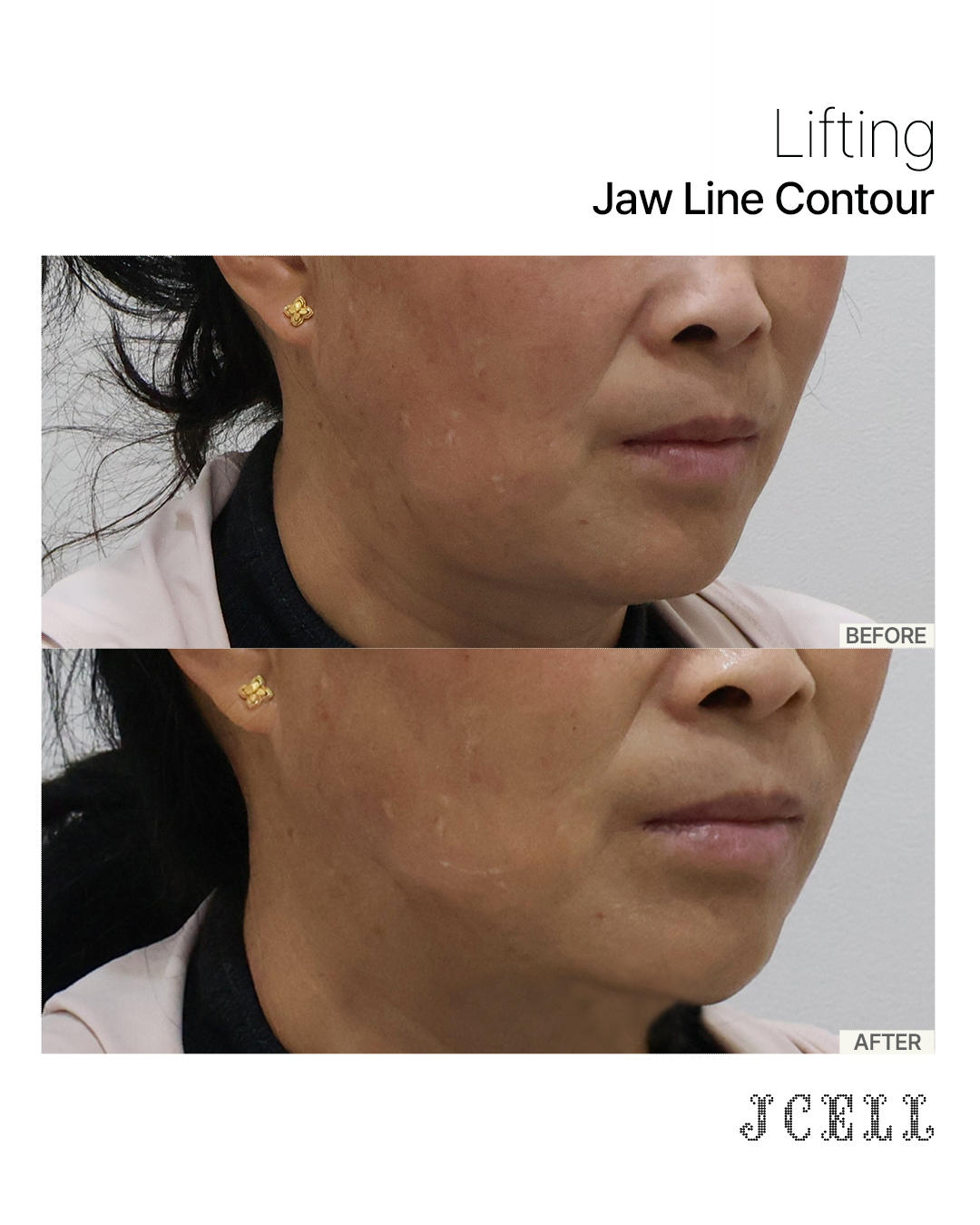
- Ultrasound (Lifting & Contouring): Pulls sagging facial contours upward, sharpens the jawline, lifts drooping jowls, elevates brows, and reduces submental fullness (double chin).
- Sensation & Treatment Experience
- RF: Delivers a broad, building warmth across the skin surface. Cooling mechanisms and topical numbing make it highly tolerable.
- Ultrasound: Delivers deep, micro-focused bursts of heat into foundational tissue, often felt as sharp or aching pulses along bone structures (like the jawline).
- Treatment Protocol & Longevity
- RF: Single high-intensity sessions (like Thermage) last 12–18 months. Multi-session RF protocols (like RF microneedling) require 3–4 sessions spaced weeks apart.
- Ultrasound: Usually requires a single primary session (or 1–2 for Sofwave) with peak results showing at 3–6 months and lasting 12–24 months.
Which Technology Suits Your Skin Goal?
- Choose Radiofrequency (RF) If:
- Your primary concern is thin, loose, or crepey skin texture.
- You want to target fine lines, enlarged pores, or generalized elasticity loss.
- You want a non-invasive treatment that improves skin density without altering underlying facial volume.
- Choose Ultrasound If:
- Your main concern is gravity-induced sagging (heavy jowls, drooping cheeks, or blurred jawline).
- You are seeking a distinct vertical "lifting" effect on deep structural tissues.
- You want to address lower face and neck laxity with minimal surface disruption.
The Power of Combination Therapy
Because RF and Ultrasound target different depths within the facial anatomy, dermatologists frequently combine them in a single treatment plan:
- Deep Lifting + Surface Tightening: Ultrasound delivers a foundational lift at the 4.5mm SMAS layer to sculpt the facial contour, while RF tightens the overlying 2.0mm–3.0mm dermal layer to smooth texture and boost elasticity.
- Full-Layer Anti-Aging: Combining both technologies treats every layer from the deep structural fascia up to the surface dermis, offering the most comprehensive non-surgical facial rejuvenation.
Final Thoughts
Neither technology is strictly "better"—they simply solve different anti-aging challenges. If your goal is to correct surface laxity, refine texture, and firm the skin, Radiofrequency is the ideal choice. If you need to pull up sagging contours, define your jawline, and target deep tissue layers, Ultrasound provides the necessary depth. A personal skin assessment with a qualified practitioner will determine the exact energy modality or combination required for your facial structure.