Signs Your Skin Is Losing Elasticity
Loss of skin elasticity—clinically known as elastosis—is one of the most definitive signs of structural dermal aging. While wrinkles and surface dryness get immediate attention, a decline in elastic fibers changes how your skin reacts to movement, pressure, and gravity.
Recognizing early signs of declining skin elasticity allows you to take proactive biostimulatory measures before deep laxity settles in.
What Is Skin Elasticity?
Elasticity refers to your skin’s biological ability to stretch and instantly snap back into its original shape.
- The Dermal Framework: Elasticity relies heavily on elastin fibers, which weave through the dense Type I and Type III collagen network within the dermis.
- The Degradation Process: UV radiation, oxidative stress, and chronological aging cause elastic fibers to stretch, fragment, and clump together. As elastin degrades, skin loses its structural "bounce" and resilience.
Key Signs Your Skin Is Losing Elasticity
1. Prolonged Sleep Lines & Sheet Creases
- The Sign: Creases from your pillow or bedding that used to vanish within minutes of waking up now linger for hours into the morning.
- Why It Happens: Healthy, highly elastic skin rebounds immediately after physical pressure is removed. Delayed recovery indicates that the underlying dermal matrix lacks the spring-back capacity of youthful tissue.
2. Enlarged, Teardrop-Shaped Pores
- The Sign: Pores along the cheeks and midface no longer appear small and round; instead, they stretch downward into visible oval or teardrop shapes.
- Why It Happens: Pores themselves do not change size, but as dermal elasticity declines, the surrounding tissue wall loses tension and sags, pulling pore openings downward.
3. Softening Jawline & Early Jowl Shadows
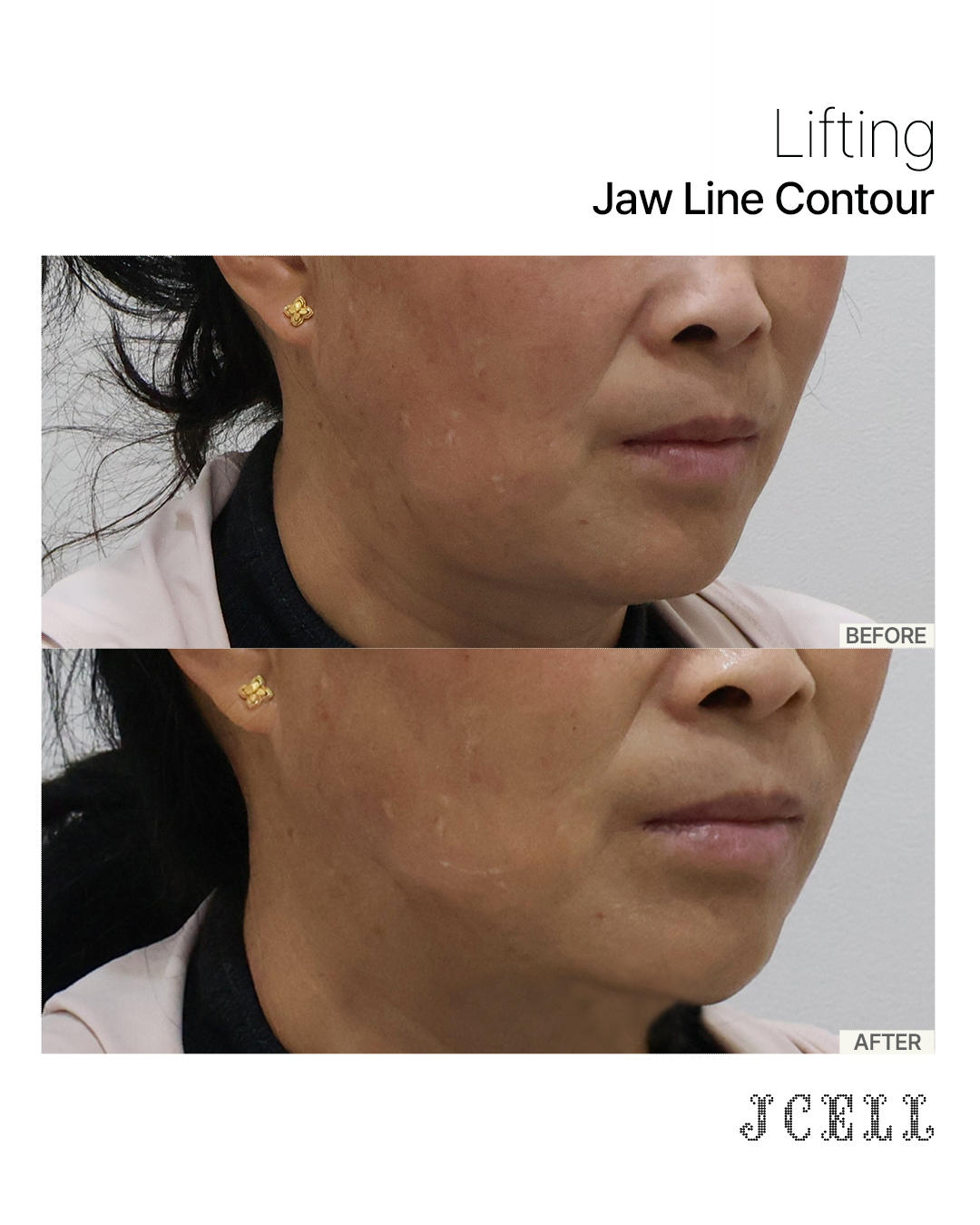
- The Sign: The once-crisp, sharp angle separating your jawline from your neck begins to soften or look slightly wavy, especially when looking down at a screen.
- Why It Happens: Elastin fragmentation along the lower face allows soft tissue to yield to gravity, causing early structural shifts toward the lower jaw.
4. "Crepey" Skin Texture
- The Sign: Skin on thin, delicate areas—such as the under-eyes, neck, or inner arms—takes on a paper-like, finely wrinkled texture similar to crepe paper.
- Why It Happens: Crepey skin is a direct result of simultaneous dermal thinning, elastin degradation, and reduced hyaluronic acid production.
5. Slow "Pinch Test" Snapback
- The Sign: Gently pinching a small fold of skin on your cheek or the back of your hand and letting go takes a second or longer to flatten completely smooth.
- Why It Happens: Fast recoil during the pinch test depends directly on intact, functional elastic fibers within the extracellular matrix.
6. Dynamic Lines Transitioning into Static Wrinkles
- The Sign: Expression lines around the eyes (crow’s feet), mouth (smile lines), or forehead remain faintly visible even when your face is completely relaxed.
- Why It Happens: Highly elastic skin smooths out completely after facial muscle movement. When elasticity fades, skin loses its memory and fails to reset to a blank canvas.
Clinical Strategies to Restore Skin Elasticity
Unlike surface moisturizers that only hydrate the outer stratum corneum, restoring dermal elasticity requires targeted biological intervention:
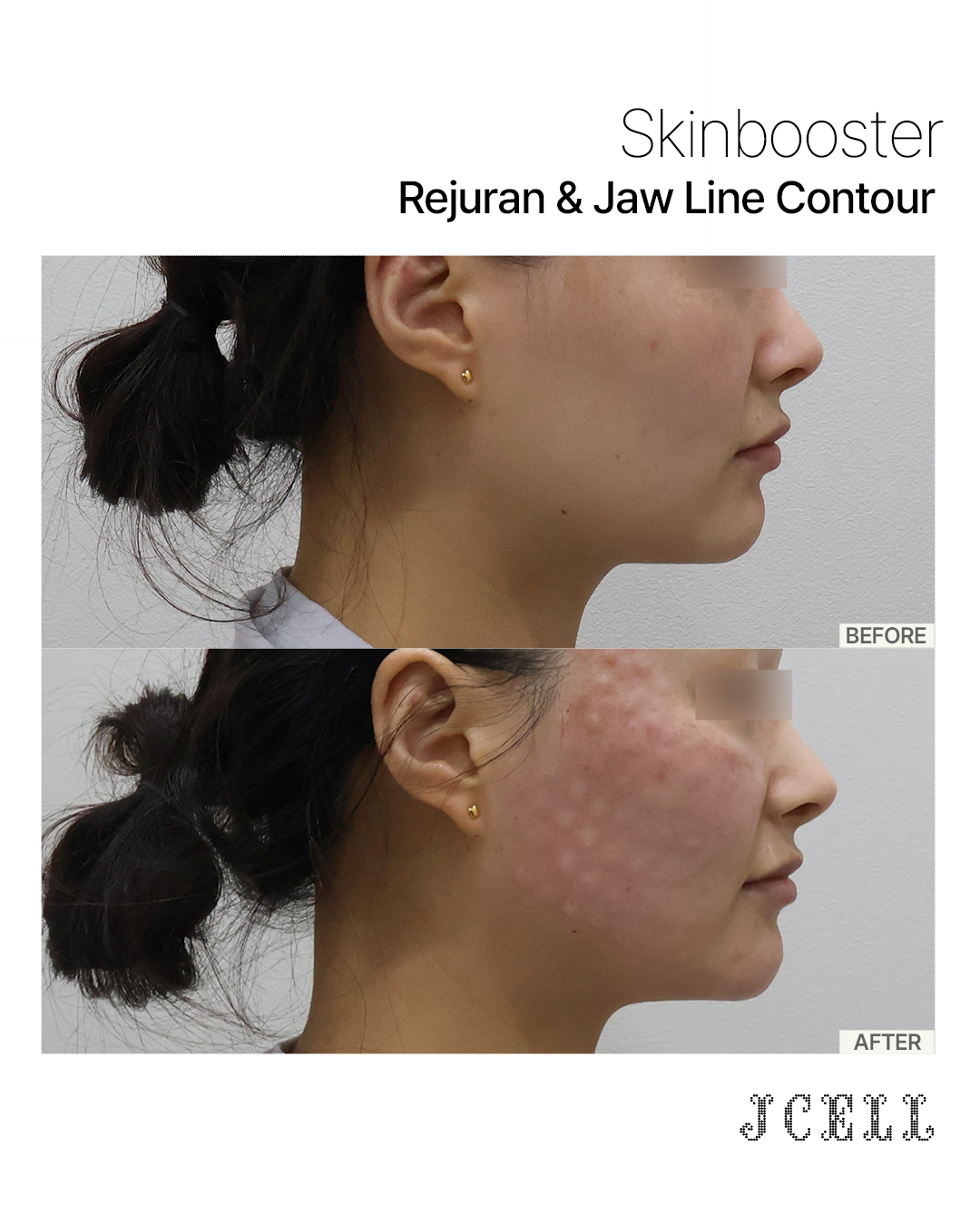
- Polynucleotide Injectables (Rejuran Healer): Salmon-DNA-derived polymers repair damaged extracellular environments, reduce tissue inflammation, and signal fibroblasts to synthesize flexible repair collagen and elastic fibers.
- Monopolar Radiofrequency (Thermage FLX / Oligio): Delivers deep dermal heating (2.0mm to 3.0mm) to contract existing collagen triple-helices and stimulate long-term neocollagenesis and neoelastogenesis over 3 to 6 months.
- Injectable Biostimulators (Juvelook / Sculptra): PLLA micro-particles act as physical scaffolds to continuously activate host fibroblasts, restoring dermal thickness and mechanical tension.
- RF Microneedling (Potenza / Sylfirm X): Combines physical micro-channeling with precise thermal energy to trigger rapid dermal remodeling and tighten crepey surface laxity.
Final Thoughts
Identifying the early signs of declining skin elasticity—such as teardrop pores, lingering sleep lines, or crepey texture—allows you to shift from reactive filling to proactive dermal preservation. By combining daily broad-spectrum UV protection with targeted clinical biostimulation, you can rebuild your dermal framework and maintain firm, resilient skin for years to come.