Stem Cells vs Exosomes: Which Is Better?
In the world of regenerative aesthetics, stem cell therapy and exosome therapy represent the cutting edge of anti-aging and skin repair. While both leverage cell-signaling mechanisms to repair damaged tissue, stimulate collagen, and improve skin elasticity, they operate through distinct biological processes. Understanding the key differences between live cellular treatments and cell-free signaling vesicles helps clarify which option is best suited for specific skin goals.
Core Biological Differences
Although closely related, stem cells and exosomes differ fundamentally in their structure, administration, and cellular mechanisms.
- Stem Cell Therapy (Cellular Treatment): Uses living adult stem cells—typically harvested from autologous fat (SVF) or blood fractions. Once injected, live stem cells adapt to the tissue environment, continuously secrete growth factors, and actively promote long-term cellular regeneration and tissue repair.
- Exosome Therapy (Cell-Free Treatment): Uses nano-sized extracellular vesicles isolated from stem cell culture media. Exosomes contain concentrated mRNA, microRNA, growth factors, and proteins, acting as direct "messengers" that instruct host skin cells to repair themselves without introducing living cells.
- Key Mechanism Distinction: Stem cells are active biological factories that produce signaling molecules over time. Exosomes are the pre-packaged, concentrated signals themselves, offering rapid cellular messaging without the need for live cell integration.
Key Differences: Side-by-Side Comparison
Evaluating essential operational factors clarifies how these two therapies compare in clinical practice.
- Stem Cell Therapy Overview:
- Primary Source: Autologous tissue harvest (fat via mini-liposuction or concentrated blood draw)
- Active Component: Living Mesenchymal Stem Cells (MSCs) and Stromal Vascular Fraction (SVF)
- Primary Objective: Deep structural reconstruction, long-term collagen renewal, and volumetric repair
- Administration: Injected into deep dermal or sub-dermal layers by a physician
- Longevity: Multi-year biological benefits (1 to 3+ years)
- Invasiveness: Moderate (requires tissue harvesting for autologous SVF)
- Exosome Therapy Overview:
- Primary Source: Purified culture secretome derived from stem cells
- Active Component: Purified extracellular vesicles, microRNA, and growth factors
- Primary Objective: Rapid barrier repair, acne scar remodeling, inflammation reduction, and pore refinement
- Administration: Delivered via microneedling (MTS), needle-free air injectors, or topically post-laser
- Longevity: Progressive improvement over 6 to 12 months (benefits from multi-session protocols)
- Invasiveness: Minimal (no tissue harvesting required)
Which Is Better for Your Skin Concerns?
Determining which treatment is "better" depends entirely on skin condition, age, timeline, and aesthetic priorities.
- Exosomes Are Better If You Want:
- Rapid Recovery & Zero Downtime: Ideal for quick skin refreshes before events or fast post-laser healing.
- Surface Texture & Barrier Repair: Excellent for smoothing rough texture, tightening enlarged pores, reducing redness, and soothing acne scars.
- Non-Invasive Protocols: Perfect for patients who want regenerative benefits without undergoing blood draws or mini-liposuction fat harvesting.
- Early Anti-Aging Maintenance: Highly effective for preventative skin care in your 20s, 30s, and 40s.
- Stem Cells Are Better If You Want:
- Deep Structural Rejuvenation: Essential for severe skin thinning, deep wrinkles, and significant loss of dermal density.
- Long-Lasting Biological Transformation: Suitable for patients seeking a comprehensive, multi-year reset of aging dermal tissue.
- Combined Structural Restoration: Ideal when paired with autologous fat grafting to restore lost facial volume alongside skin quality.
- Advanced Rejuvenation: Most beneficial for mature skin (40s to 60s+) experiencing significant age-related tissue breakdown.
Popular Combination Protocols in Seoul
Leading dermatologists in Seoul frequently integrate exosomes and stem cells into multi-layered treatment plans to maximize results across all skin depths.
- Deep Repair + Surface Glow: Autologous stem cell injections rebuild deep dermal thickness, while topical exosomes applied via RF microneedling refine surface texture and boost radiance.
- Post-Energy Healing Accelerator: Exosome infusions applied immediately after high-energy devices (such as Thermage FLX, Ultherapy, or fractional lasers) reduce post-treatment redness and double collagen production.
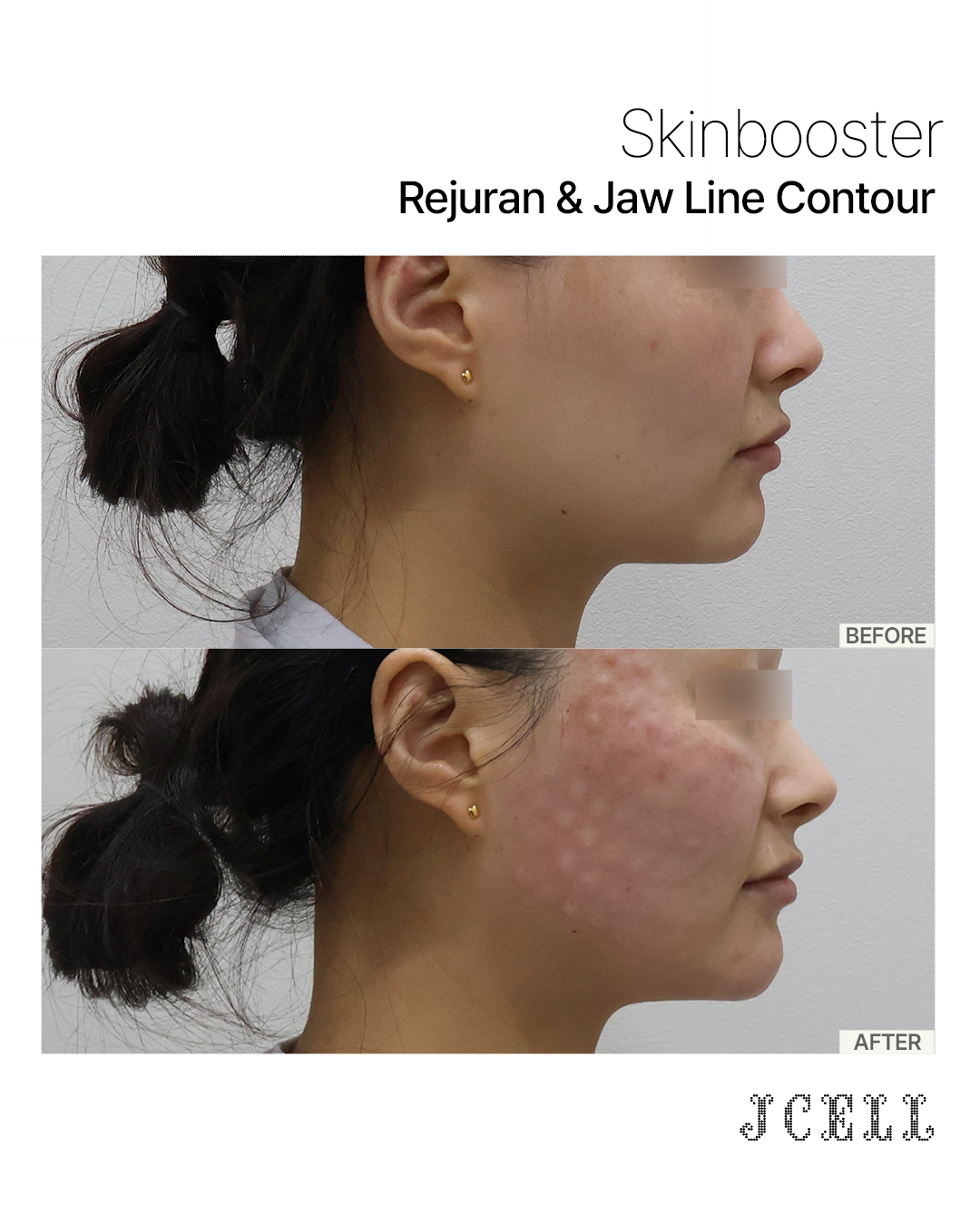
- Hybrid Skin Booster Cocktail: Combining exosomes with hyaluronic acid or polynucleotide skin boosters (Rejuran) delivers simultaneous cellular repair and deep hydration.
Estimated Cost Overview (USD)
Prices in Seoul vary based on formulation concentration, tissue harvest requirements, and doctor expertise.
- Exosome Facial Therapy (per session / combo): $250 – $600 USD
- Exosome + RF Microneedling (Potenza / Sylfirm X): $400 – $800 USD
- Autologous Blood-Derived Cell Therapy: $1,200 – $2,500 USD
- Autologous Adipose-Derived Stem Cell (SVF) Facial: $3,500 – $7,500 USD
Final Thoughts
Neither treatment is objectively superior—exosomes and stem cells simply serve different roles in regenerative dermatology. Exosomes offer a convenient, highly effective cell-free solution for surface refinement, barrier repair, and quick anti-aging touch-ups. On the other hand, Stem Cell Therapy provides a deeper, long-term biological overhaul for significant structural aging and dermal thinning. Choosing the right path comes down to your personal skin goals, preferred downtime, and desired longevity.