Why Healing Speed Slows With Age
Noticeable changes in how the skin recovers after minor cuts, laser procedures, or needle-based aesthetic treatments become more apparent over time. While youthful skin repairs itself rapidly with minimal downtime, mature skin often experiences prolonged redness, slower tissue closure, and extended recovery windows.
Understanding the biological mechanisms behind why healing slows with age—and how advanced Korean regenerative dermatology interventions overcome these delays—is essential for optimizing both skin health and aesthetic outcomes.
The Biological Reasons Healing Speed Slows With Age
Skin recovery is a complex, multi-phase physiological process involving cellular communication, protein synthesis, and tissue remodeling. As skin ages, several interconnected biological factors slow down this regenerative cascade:
- Decline in Fibroblast Proliferation: Dermal fibroblasts are the primary cellular factories responsible for synthesizing collagen and elastin. With age, fibroblast activity decreases significantly, resulting in slower matrix rebuilding and delayed dermal repair.
- Accumulation of Senescent Cells: Aging skin accumulates senescent ("zombie") cells that no longer divide normally. These cells secrete inflammatory markers and matrix-degrading enzymes (MMPs) that break down surrounding tissue and disrupt healthy repair signals.
- Diminished Growth Factor Signaling: Concentrations of key signaling proteins—such as Epidermal Growth Factor (EGF) and Fibroblast Growth Factor (FGF)—decline steadily over time, slowing down the recruitment of repair cells to injury sites.
- Impaired Angiogenesis & Blood Microcirculation: Micro-vascular networks in the upper dermis thin out with age, reducing the delivery of oxygen, vital nutrients, and immune cells required for efficient tissue regeneration.
- Structural Thinning of the Dermal Matrix: A degraded extracellular matrix (ECM) provides fewer physical attachment points for new cells, making it harder for the skin barrier to rebuild its structural integrity quickly.
Why Choose South Korea for Healing & Regenerative Care?
South Korea is universally recognized as a global leader in regenerative aesthetics and skin repair science, offering unmatched clinical expertise for travelers seeking accelerated recovery:
- Advanced Bio-Regenerative Technologies: Korean biotech institutes lead the world in manufacturing purified stem cell exosomes, salmon-derived polynucleotides, and high-potency growth factor complexes designed to restart stalled cellular healing.
- Customized Healing Acceleration Protocols: Rather than performing aggressive procedures in isolation, Korean dermatologists excel in layering gentle restorative skin boosters alongside lasers or RF devices to minimize downtime and prevent post-inflammatory hyperpigmentation.
- High Clinical Expertise & High-Volume Practice: Top specialists in Seoul perform thousands of skin-repair protocols annually, mastering delicate injection techniques that cause minimal micro-trauma.
- Frictionless Medical Tourism: Premier clinics in Gangnam and Cheongdam offer dedicated English coordinators, personalized post-procedure recovery kits, and immediate 10% VAT tax refunds for overseas visitors.
Key Treatments That Restore Healing Capacity & Cellular Renewal
To counteract age-related healing delays, modern Korean dermatology utilizes biological active agents that reprogram skin cells and reactivate natural tissue repair:
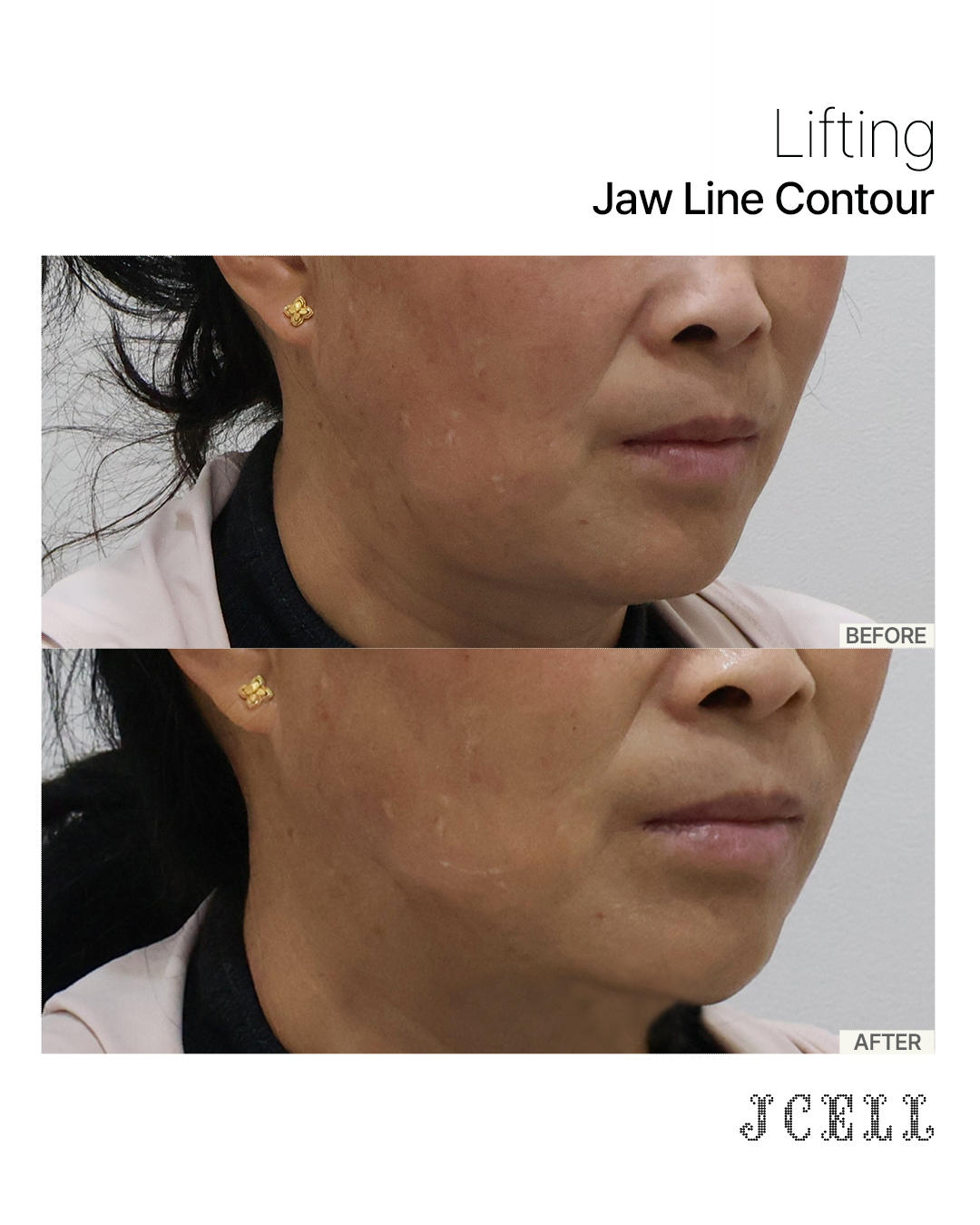
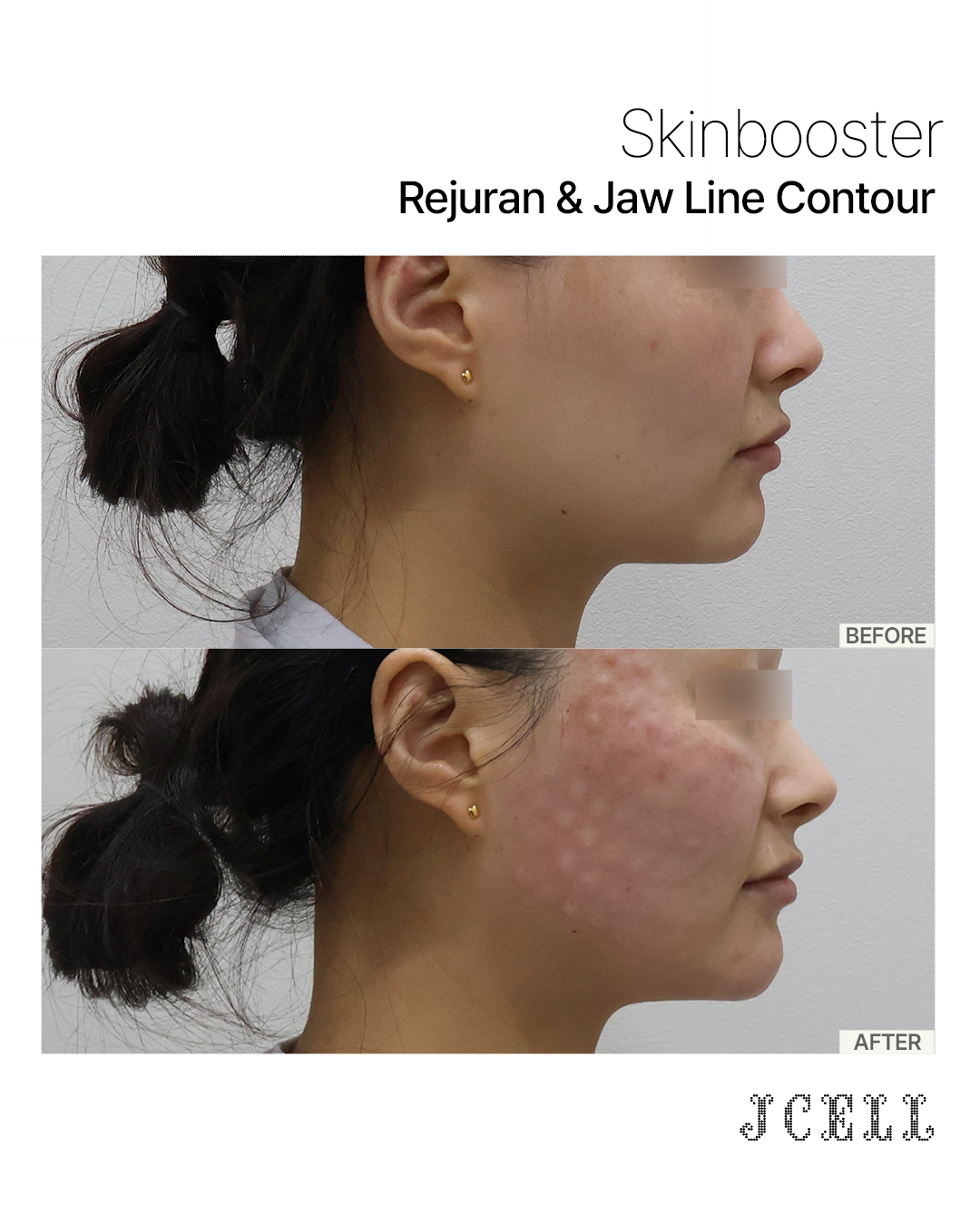
- Polynucleotide Boosters (Rejuran Healer): Salmon-derived DNA fragments injected into the dermis to repair damaged skin barriers, suppress chronic inflammation, and stimulate rapid cell matrix rebuilding.
- Stem Cell Exosomes (ASCE+): Nanometer-sized cellular vesicles packed with growth factors and lipids that restore intercellular signaling, drastically reducing post-procedure inflammation and accelerating tissue closure.
- Biostimulatory Injectables (Juvelook & Sculptra): Micro-particle poly-D,L-lactic acid formulations that act as a biological scaffold, signaling fibroblasts to generate fresh, long-term collagen.
- Ultrasound-Assisted Cellular Activation (LDM Therapy): High-frequency dual ultrasound waves that stimulate heat-shock proteins (HSPs) and improve lymphatic drainage to reduce post-treatment swelling and speed up recovery.
- Targeted RF Microneedling (Potenza & Sylfirm X): Combines controlled thermal micro-channels with biological booster delivery to thicken the dermal matrix without causing prolonged surface trauma.
Estimated Cost Overview (USD)
Prices in Seoul vary depending on the dosage, biological concentration, and clinic location (such as Gangnam or Cheongdam). Below are typical investment ranges for international patients:
- Rejuran Healer Barrier Repair ($200 – $380 per session): Standard 2cc polynucleotide treatment designed to strengthen compromised skin barriers and accelerate tissue recovery.
- Stem Cell Exosome Recovery Protocol ($350 – $650 per session): High-purity exosome micro-injections or laser-assisted infusion for rapid cellular regeneration and anti-inflammatory care.
- Juvelook Collagen Biostimulator ($250 – $550 per session): Hybrid PDLLA treatment aimed at long-term dermal thickening and matrix restoration.
- Soothing Post-Treatment LDM & Light Therapy ($100 – $200 per session): Medical-grade dual ultrasound and LED light therapy to eliminate post-laser redness and swelling.
- Comprehensive Regenerative Stacking Package ($1,200 – $2,800 per session): Multi-modal protocols combining energy-based lifting with dual skin boosters and soothing post-care suites.
Essential Guidelines to Speed Up Skin Healing
- Prioritize Deep Hydration: Use ceramide and hyaluronic acid-based barrier repair creams to maintain a moist healing environment that accelerates epidermal cell migration.
- Strict Sun Protection: Aging skin undergoing regeneration is especially susceptible to UV damage; apply broad-spectrum SPF 50+ daily and wear protective brimmed hats.
- Avoid Irritating Active Ingredients: Pause retinoids, exfoliants (AHA/BHA), and high-potency Vitamin C for at least 7 to 10 days following regenerative or laser treatments.
- Support Recovery From Within: Stay well-hydrated, avoid alcohol and smoking during the acute healing phase, and ensure adequate sleep to allow natural cellular repair mechanisms to operate uninterrupted.
Final Thoughts
While a slowdown in healing speed is a natural biological consequence of aging, it is no longer irreversible. By leveraging South Korea's advanced bio-regenerative therapies—such as exosomes, polynucleotides, and cellular ultrasound protocols—you can reactivate your skin's innate repair mechanisms, achieve faster recovery times, and restore a resilient, youthful skin barrier from the inside out.