Why Some Skin Tightening Treatments Last Longer
When investing in non-surgical skin tightening, one of the most important factors for patients is longevity. While some treatments offer a brief, radiant glow that fades after a few weeks, others deliver structural firming that lasts for up to two years.
Understanding why certain skin tightening procedures endure far longer comes down to the underlying biological mechanisms, target tissue depths, energy types, and cellular remodeling processes.
Target Depth: Dermal Tightening vs. Deep SMAS Lifting
The anatomical layer a device reaches plays a critical role in how long results remain visible:
- Superficial Dermal Heating (Shorter Duration): Light radiofrequency or superficial laser treatments heat only the upper dermis (1.0mm to 1.5mm). While this immediately contracts collagen fibers and improves surface texture, the superficial dermal layer turns over rapidly, meaning results typically fade within 3 to 6 months.
- Deep Dermal Densification (Medium-to-Long Duration): High-intensity monopolar radiofrequency (such as Thermage FLX or Oligio) penetrates 2.4mm to 3.0mm into the mid-to-deep dermis. Heating this bulk collagen reservoir triggers extensive, long-term structural remodeling that lasts 12 to 18 months.
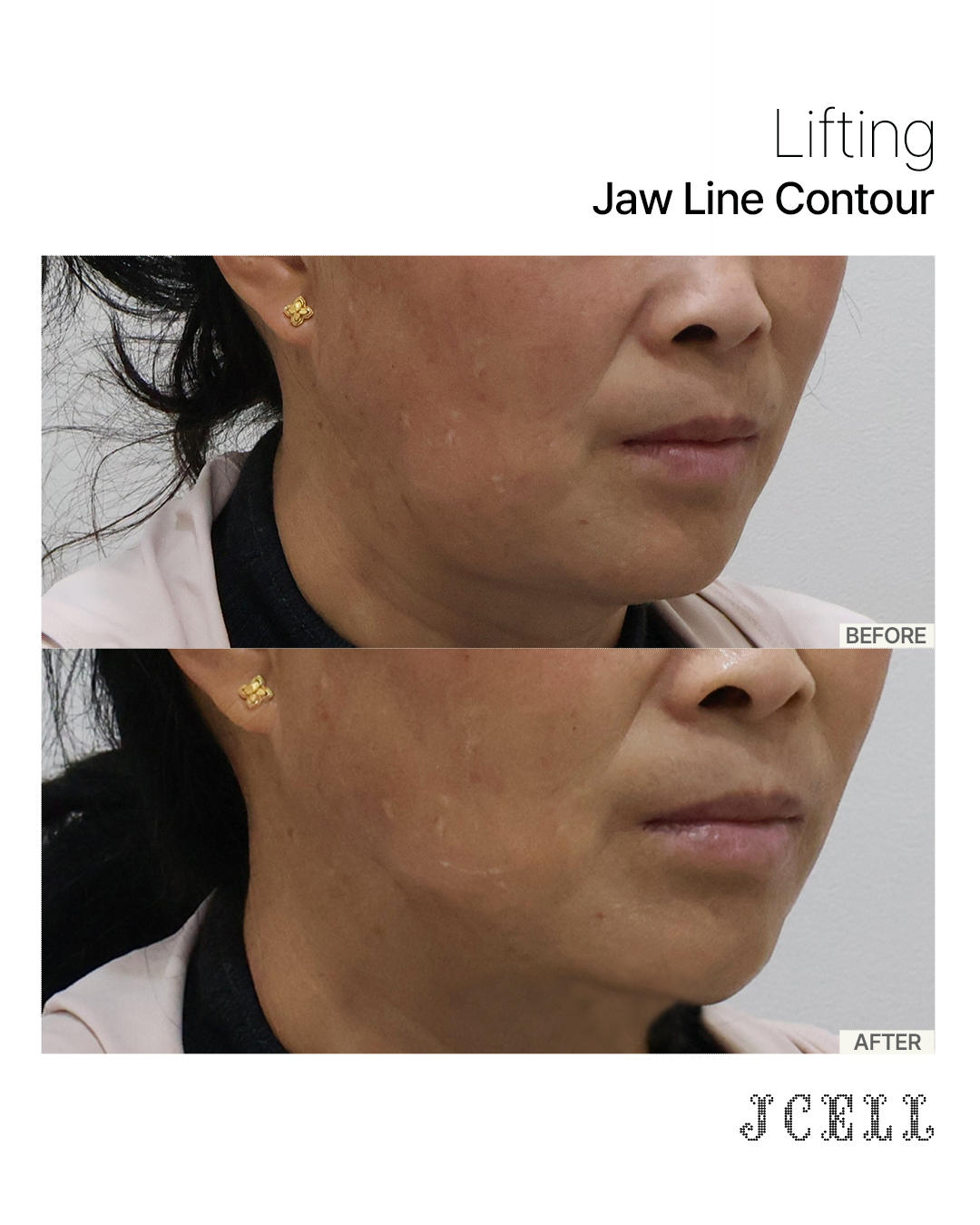
- SMAS Fascia Contraction (Longest Duration): Micro-focused ultrasound (such as Ultherapy or Shurink) bypasses the upper skin to target the Superficial Musculoaponeurotic System (SMAS) layer at a depth of 4.5mm. By anchoring and lifting deep foundational tissue—the same layer targeted in surgical facelifts—results regularly endure for 18 to 24 months.
Energy Mechanism: Superficial Contraction vs. True Neocollagenesis
Not all thermal energy creates the same quality of biological repair within the tissue:
- Immediate Collagen Contraction: Heat causes existing collagen triple-helix fibers to uncoil and shorten instantly. This creates a pleasing "immediate tightening effect" right after treatment, but without new fiber synthesis, the fibers gradually relax over several weeks.
- Neocollagenesis & Neoelastogenesis: The longest-lasting treatments trigger a true wound-healing response without damaging the skin surface. Heating tissue to the optimal biological temperature (60°C to 70°C) creates controlled micro-coagulation zones. This signals fibroblasts to synthesize fresh Type I and Type III collagen alongside new elastic fibers over a period of 2 to 6 months post-treatment.
- Biological Maturation Phase: Newly formed collagen undergoes a maturation and cross-linking phase that continues for up to half a year. Because this newly built structural meshwork is your body's own tissue, it ages naturally alongside you rather than "wearing off" overnight.
Material Type: Temporary Hydration vs. Structural Biostimulants
When comparing injectable skin tightening boosters, the chemical composition dictates the treatment lifespan:
- Hyaluronic Acid (HA) Boosters: Non-crosslinked HA boosters provide immediate hydration and temporary skin plumping. However, natural hyaluronidase enzymes in the body break down standard HA within 1 to 3 months.
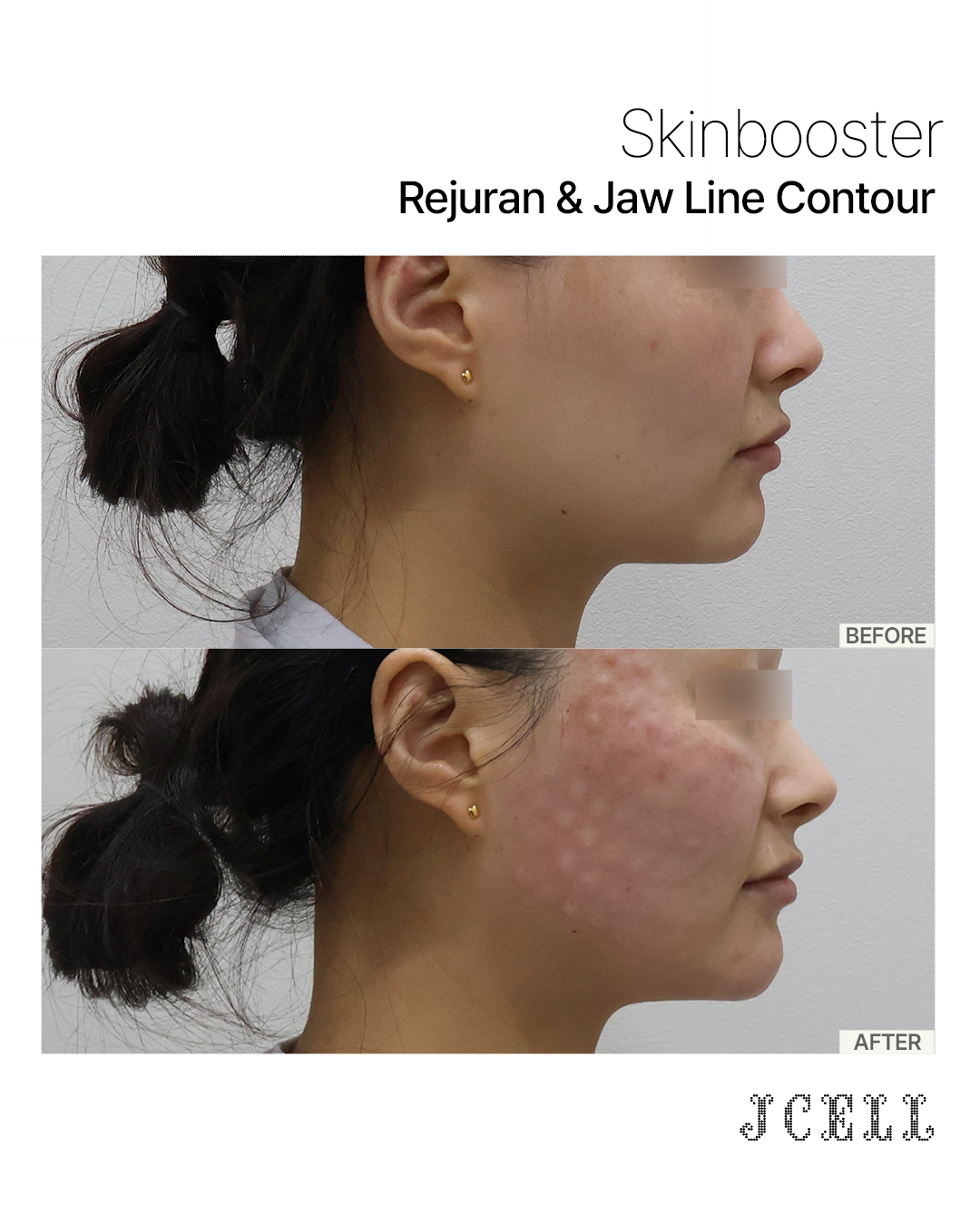
- Polynucleotides (PN / Salmon DNA): Treatments like Rejuran Healer repair the extracellular matrix environment and heal damaged tissue. They build long-term skin health, but optimal results require periodic maintenance every 6 months.
- PLLA & CaHA Biostimulators: Biostimulatory micro-particles like Poly-L-Lactic Acid (Juvelook, Sculptra) or Calcium Hydroxyapatite (Radiesse) act as physical scaffolds. They continuously stimulate host fibroblast activity, producing fresh collagen that can maintain volume and skin tightness for 18 to 24 months.
Combination Protocols: The Synergy Advantage
Leading dermatologists rarely rely on a single modality when aiming for maximum longevity. Multi-layered protocols yield significantly longer results:
- Energy + Biostimulator Layering: Pairing deep ultrasound or RF lifting (which creates thermal channels) with an immediate infusion of biostimulatory micro-particles or exosomes provides both physical tightening and immediate biological fuel for fibroblasts.
- Full-Thickness Targeting: Combining deep SMAS ultrasound lifting (Ultherapy) with deep dermal RF tightening (Thermage) addresses every structural layer of the face simultaneously, resulting in a significantly more resilient structural result.
Individual Patient Factors Affecting Longevity
Even with identical treatment protocols, individual biological factors influence how long your skin retains its firmness:
- Age & Baseline Fibroblast Health: Younger patients with active, healthy fibroblasts produce denser collagen networks in response to energy treatments compared to older patients with dormant cellular machinery.
- UV Exposure & Lifestyle: Unprotected sun exposure, smoking, and high sugar diets generate matrix metalloproteinases (MMPs) and Advanced Glycation End-products (AGEs) that actively chop up newly formed collagen, cutting treatment longevity in half.
- Metabolic Rate: Patients with extremely high metabolic rates or high physical activity levels may break down biostimulatory matrices faster than average.
Final Thoughts
The longevity of any skin tightening treatment depends on how deeply it penetrates and how effectively it forces your body to build genuine new tissue. Devices that reach the deep SMAS layer or high-concentration biostimulators that induce long-term neocollagenesis will always outperform surface-level treatments. By combining deep clinical modalities with daily broad-spectrum sun protection and proper post-care, you can maximize your investment and enjoy firm, resilient skin for up to two years.