Why Stem Cells Are Different From PRP
As regenerative dermatology expands, two treatments frequently top the list for anti-aging and skin repair: Stem Cell Therapy and PRP (Platelet-Rich Plasma). While both use your body’s natural biological components to restore youthful skin, they operate on vastly different levels of cellular science.
Stem Cells vs PRP: The Fundamental Difference
The core difference lies in active cell regeneration versus temporary growth factor stimulation. PRP uses concentrated platelets drawn from your blood to release growth factors that kickstart your body’s natural wound-healing response. However, platelets are not cells—they cannot self-replicate or transform into new tissue. Stem cells, by contrast, are living master cells capable of self-renewal, paracrine signaling, and stimulating long-term cellular replacement. While PRP acts as a temporary booster for existing skin cells, stem cell therapy actively rebuilds the biological environment of aging tissue.
- Biological Components: PRP relies strictly on concentrated blood platelets and growth factors. Stem cell therapy uses living mesenchymal stem cells (from fat or blood) or exosomes.
- Mechanism of Action: PRP triggers short-term localized healing and collagen synthesis. Stem cells release a broader, more potent array of cytokines and microRNAs that continuously activate dormant fibroblasts over months.
- Target Audience: PRP is ideal for early signs of aging, mild texture issues, and subtle hydration boosts. Stem cells target structural collagen loss, deep wrinkles, thinning skin, and severe tissue damage.
- Duration of Results: PRP results typically peak around 6 to 12 months and require regular maintenance. Stem cell therapies offer deeper structural repair that can last 1 to 3 years or longer.
Key Benefits & Effects
- PRP Benefits: Improves surface skin radiance; speeds up recovery post-laser; soft refines fine texture; provides a low-barrier introduction to regenerative care.
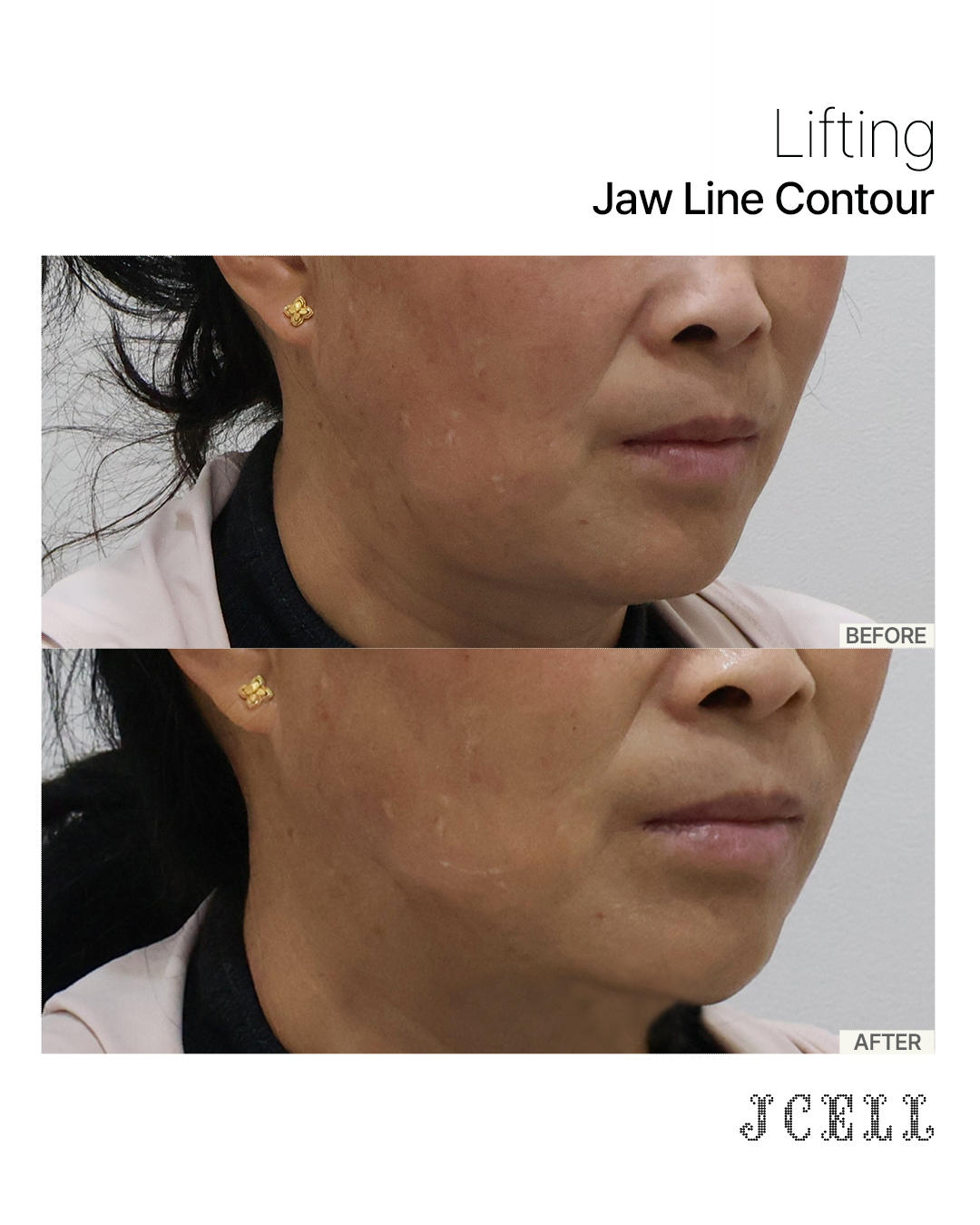
- Stem Cell Benefits: Restores structural dermal density and thickness; smooths stubborn, deep wrinkles; repairs compromised skin barriers; provides multi-layered collagen remodeling.
- Combination Potential: Top clinics often layer PRP with stem cell secretomes or lasers to accelerate immediate healing while setting up long-term cellular renewal.
The Treatment Process: Step-by-Step
Both therapies share similar delivery styles, though stem cell extraction is typically more specialized depending on the cell source chosen:
- Consultation & Mapping: The dermatologist assesses your skin laxity, depth of wrinkles, and tissue thickness to recommend PRP, blood-derived stem cells, or fat-derived stem cells (ADSC).
- Extraction Phase: For PRP, a standard blood draw is performed. For blood-derived stem cells, specialized collection is used; for fat-derived stem cells, a mini-liposuction under local anesthesia extracts a small fat sample.
- Isolation & Concentration: Both samples undergo high-speed centrifugation. PRP isolates the platelet-rich layer, while stem cell processing isolates pure, living regenerative cells and secretomes.
- Micro-Dermal Delivery:The active serum is introduced into target facial areas via fine micro-injections, microneedling (MTS), or targeted injection techniques.
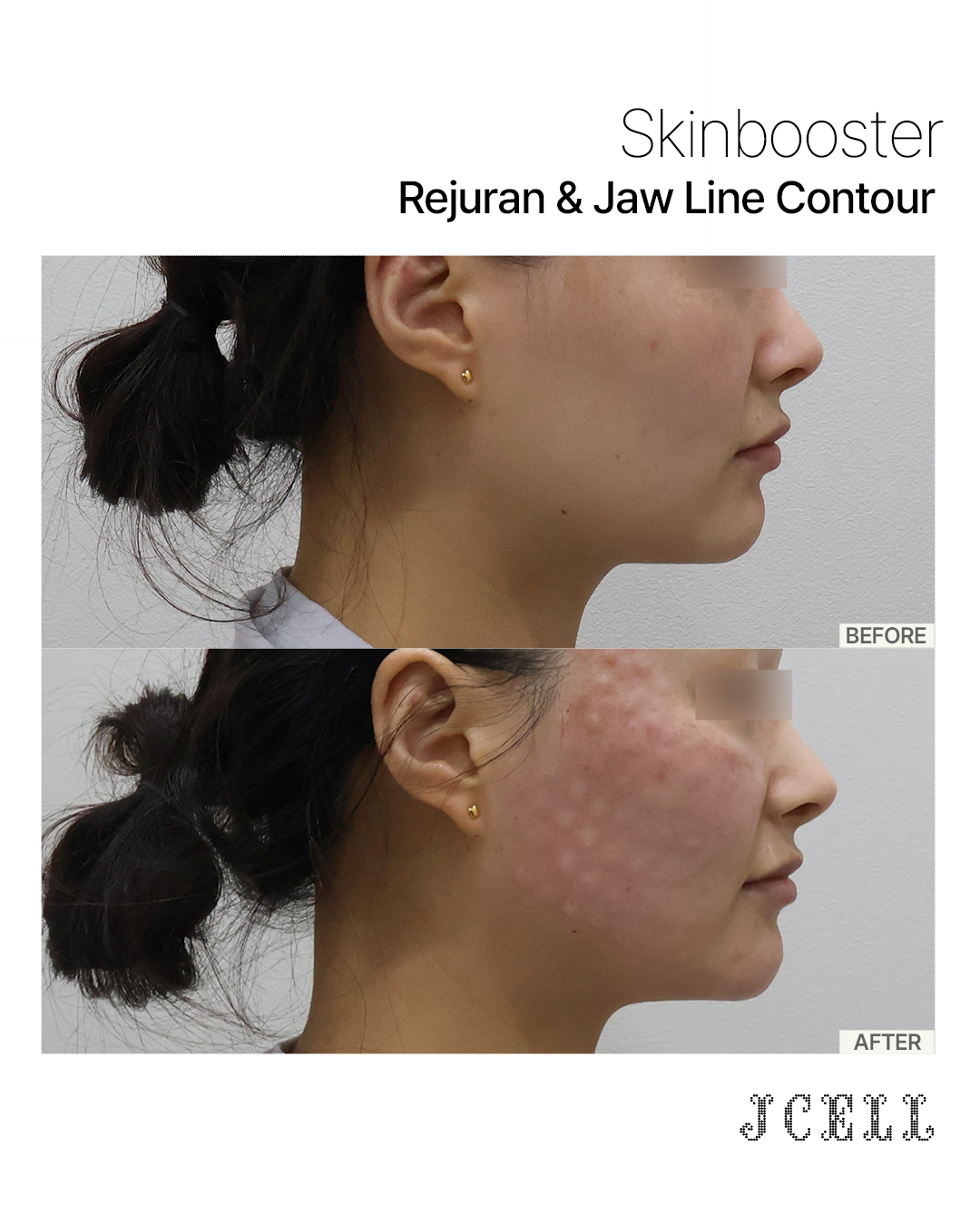
- Soothing Post-Care: A soothing LED light therapy session and a cooling mask are applied to soothe immediate post-injection redness.
Precautions & Post-Treatment Care
- First 24 to 48 Hours: Avoid applying heavy makeup, washing your face with aggressive cleansers, or engaging in strenuous workouts that cause heavy sweating.
- Sun Defense: Apply broad-spectrum SPF 50+ daily to protect newly stimulated cells from UV degradation.
- Avoid Heat & Alcohol: Skip saunas, steam rooms, and alcohol consumption for 1 week post-procedure to keep inflammation at a minimum.
- Downtime Expectations: PRP involves minimal downtime, with light redness clearing within 24 hours. Stem cell procedures may carry mild localized swelling or tiny pinpoint marks for 2 to 4 days.
Estimated Cost Range in Korea
Pricing reflects the laboratory complexity and equipment involved for cell separation:
- PRP Facial Treatment: Approximately $250 to $600 USD per session
- Autologous Blood-Derived Stem Cell Facial: Approximately $700 to $1,800 USD per session
- Fat-Derived Stem Cell (ADSC) Rejuvenation: Approximately $3,000 to $7,000 USD per session
- Stem Cell + Laser/RF Synergy Package: Approximately $2,000 to $4,500 USD per session
Why Choose Korea for Stem Cell & PRP Therapies?
- Advanced Cell Processing Standards: Korean medical centers use cutting-edge, closed-system centrifuges and isolation equipment to maximize cell viability and growth factor yields.
- Strict Safety Regulations: Medical facilities operate under strict standards set by South Korea’s Ministry of Food and Drug Safety, guaranteeing sterile biological handling.
- Expertise in Synergy Protocols: Dermatologists in Seoul excel at combining energy devices (like RF microneedling or Pico lasers) with biological injections to maximize skin regeneration.
- Tailored International Services: Seoul’s top aesthetic clinics provide seamless experiences for foreign tourists, complete with multi-lingual coordinators, transparent pricing, and flexible travel-friendly schedules.
Final Thoughts
While both PRP and stem cells utilize your body's intrinsic healing powers, stem cell therapy offers a significantly deeper biological reset for aging skin. PRP is an excellent, quick-turnaround choice for refreshing dull skin and accelerating surface repair. However, for international patients seeking to rebuild lost dermal density, treat deep creases, and achieve long-lasting cellular rejuvenation, stem cell therapy in South Korea provides an unmatched level of scientific results.