Why the Jawline Loses Definition
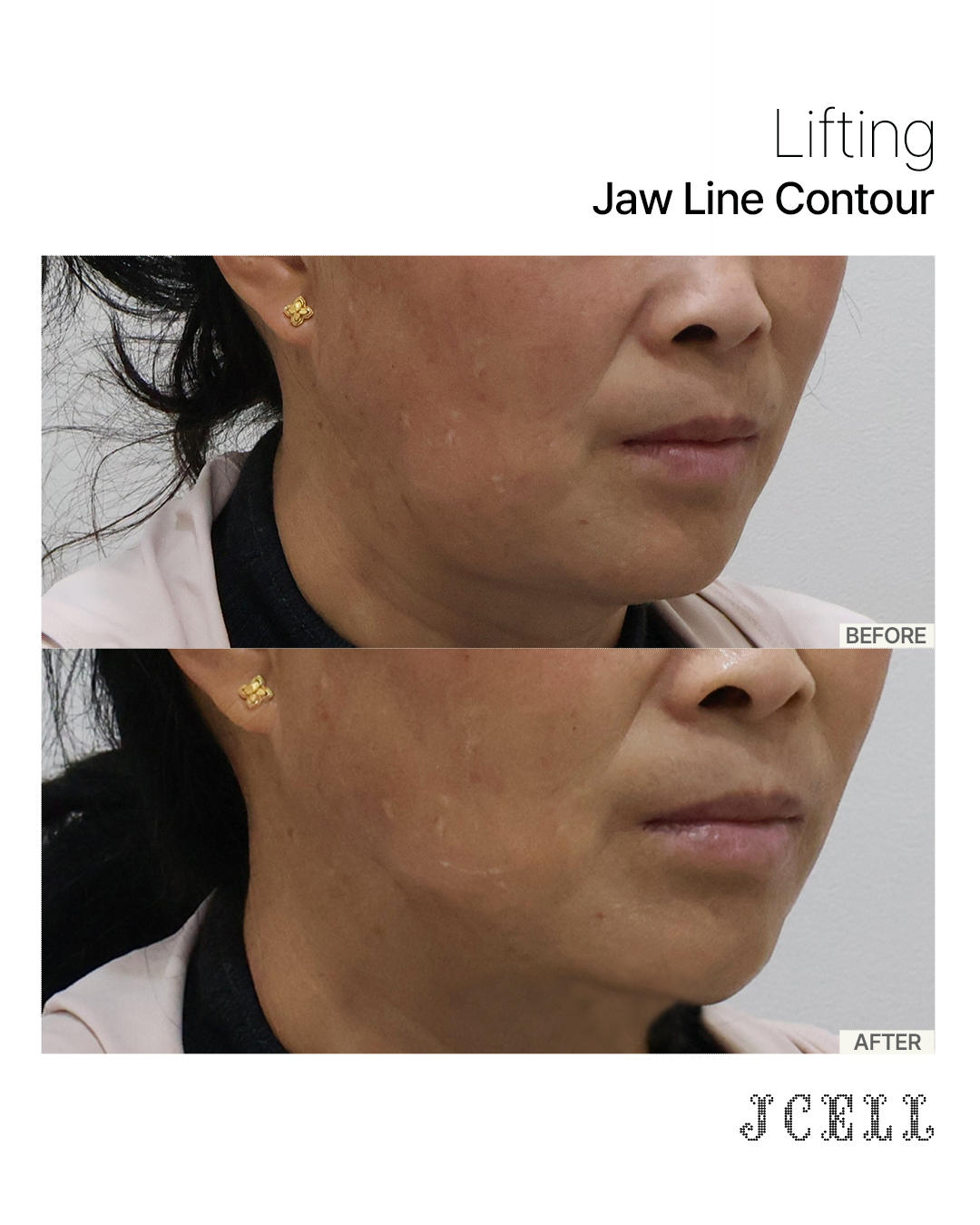
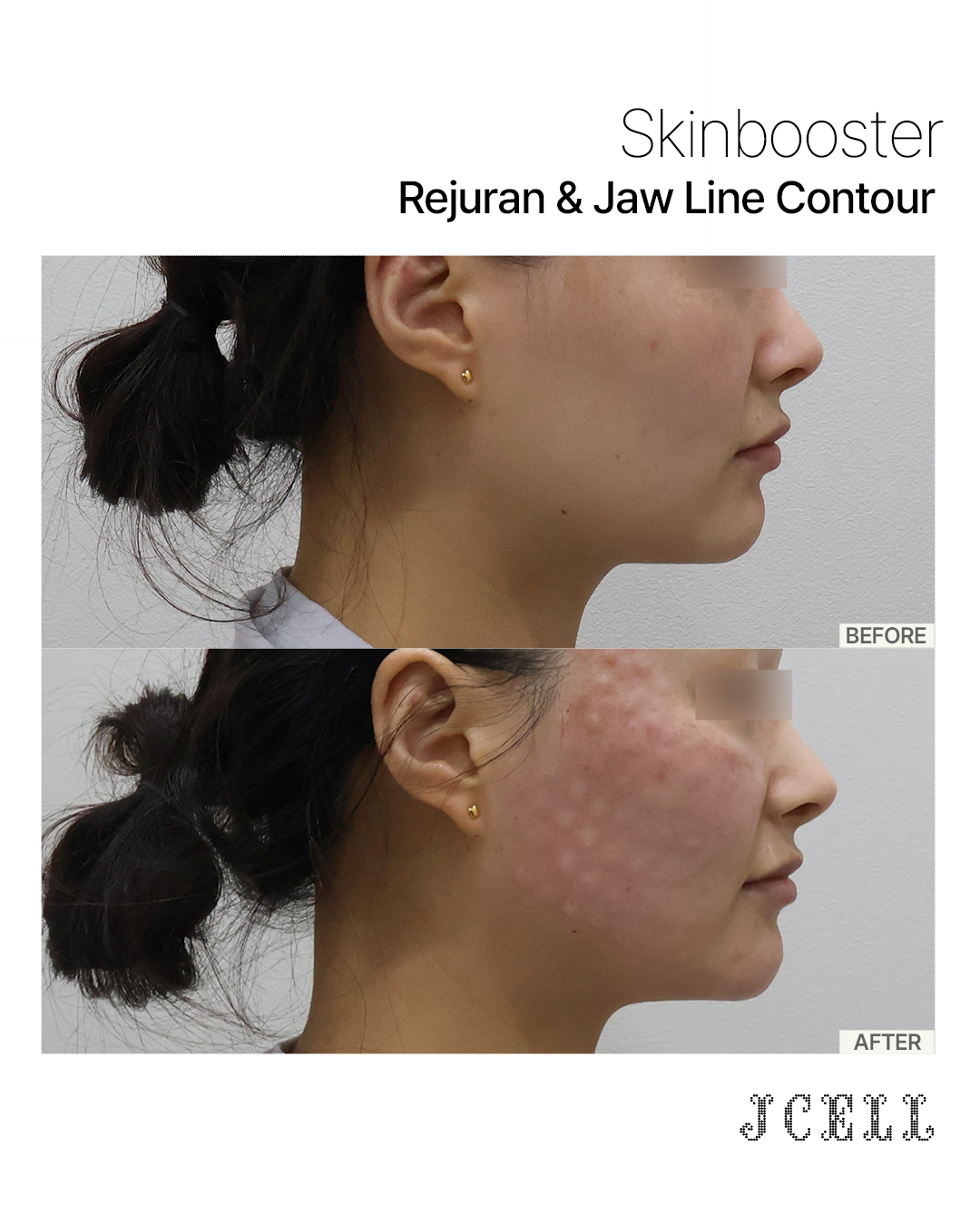
A defined, crisp jawline is widely recognized as a cornerstone of facial harmony. However, the lower face is often one of the first regions to show visible aging. A softening jawline is rarely caused by skin laxity or weight gain alone—it is the result of progressive, multi-layered anatomical shifts that affect bone, ligaments, fat compartments, and muscle vectors.
1. Mandibular Bone Resorption (Loss of Skeletal Support)
The mandible (jawbone) serves as the primary structural anchor for all overlying lower-face soft tissues.
- Bone Density Loss: As part of the natural aging process, the mandibular angle recedes, and bone mass decreases along the jawline and chin.
- Loss of Projection: Resorption shrinks the structural foundation, causing the skin and soft tissues to lose their taut canvas and sag downward.
2. Weakening of Facial Retaining Ligaments
True facial structural support relies on tough bands of connective tissue known as retaining ligaments (such as the mandibular and masseteric cutaneous ligaments).
- Ligamentous Stretch: Over time, these ligaments stretch and lose their elastic recoil under constant gravitational stress.
- Tissue Descent: As these structural anchors loosen, mid-face soft tissues slide downward, accumulating along the mandibular border and forming early jowls.
3. Fat Redistribution and Compartment Shift
Facial fat is organized into distinct deep and superficial compartments. Aging alters these compartments unevenly:
- Deep Fat Atrophy: Deep fat pads in the mid-face shrink, reducing the underlying volume that keeps cheeks elevated.
- Superficial Fat Migration: Superficial fat pads shift downward toward the jawline, creating heaviness, jowling, and blurring the sharp distinction between the face and neck.
4. Dermal Collagen & Elastin Breakdown
The skin itself loses its internal structural resilience as matrix proteins degrade.
- Declining Neocollagenesis: Annual decreases in collagen synthesis thin the dermis and weaken its mechanical tension.
- Elastin Fragmentation: Loss of elastic fibers reduces the skin’s ability to snap back after movement, resulting in crepey texture and loose skin along the lower face.
5. Platysma Muscle Pull ("Tech Neck" & Hyperactivity)
The platysma is a broad, thin muscle sheet extending from the chest up through the neck and anchoring into the lower face.
- Downward Muscular Vector: When hyperactive, the platysma exerts a continuous downward pull on the jawline, deepening marionette lines and blurring mandibular definition.
- Postural Strain: Modern habits like looking down at mobile devices ("Tech Neck") exacerbate constant muscular folding and accelerate tissue sagging.
Final Thoughts
Because jawline definition fades due to multi-layer structural collapse—spanning bone, ligament, fat, and skin—modern aesthetic protocols rely on multi-depth combination strategies. Pairing deep energy tightening (HIFU/RF) with biostimulatory injectables (PDLLA/PLLA/PN) effectively restores deep anchors, rebuilds collagen density, and sharpens lower facial contours.