Cellular Senescence Explained
Cellular senescence is a hallmark of biological aging characterized by a state of permanent growth arrest. When cells experience critical DNA damage, oxidative stress, or shortened telomeres, they stop dividing to prevent potential mutations from replicating. However, instead of undergoing natural cell death (apoptosis), these non-dividing cells linger within tissue—earning them the nickname "zombie cells."
In dermatology and regenerative aesthetics, understanding cellular senescence is key to reversing structural dermal decline and restoring healthy tissue regeneration.
How Zombie Cells Accumulate in the Skin
Youthful skin efficiently clears damaged cells through natural immune surveillance. As biological aging progresses, this clearance mechanism slows down, allowing senescent cells to accumulate within the epidermis and dermis:
- Replicative Senescence: Shortening of telomeres at the ends of chromosomes after repeated rounds of cell division eventually triggers an irreversible growth arrest signal.
- Stress-Induced Premature Senescence (SIPS): External environmental factors—such as ultraviolet (UV) radiation, atmospheric pollution, and oxidative stress—cause rapid DNA damage that forces skin cells into premature senescence long before their natural lifespan ends.
The Secretory Threat: SASP
Although senescent cells no longer divide, they remain metabolically active and highly destructive. They secrete a potent toxic cocktail known as the Senescence-Associated Secretory Phenotype (SASP), which directly degrades surrounding tissue:
- Pro-Inflammatory Cytokines: SASP releases continuous inflammatory signals (such as IL-6 and IL-1β) that create a state of localized chronic micro-inflammation, accelerating "inflammaging."
- Collagen-Destroying Enzymes: SASP contains high levels of Matrix Metalloproteinases (MMPs), which actively chop up healthy Type I and Type III collagen fibers and fragment elastic structures.
- Contagious Senescence: Toxic SASP secretions spread to neighboring healthy cells, forcing them into senescence and expanding the zone of tissue dysfunction.
Impact of Senescent Cells on Dermal Architecture
The buildup of zombie cells directly alters how facial skin looks, feels, and ages over time:
- Fibroblast Inactivation: Senescent dermal fibroblasts stop synthesizing fresh collagen, elastin, and hyaluronic acid, causing a steep drop in structural dermal density.
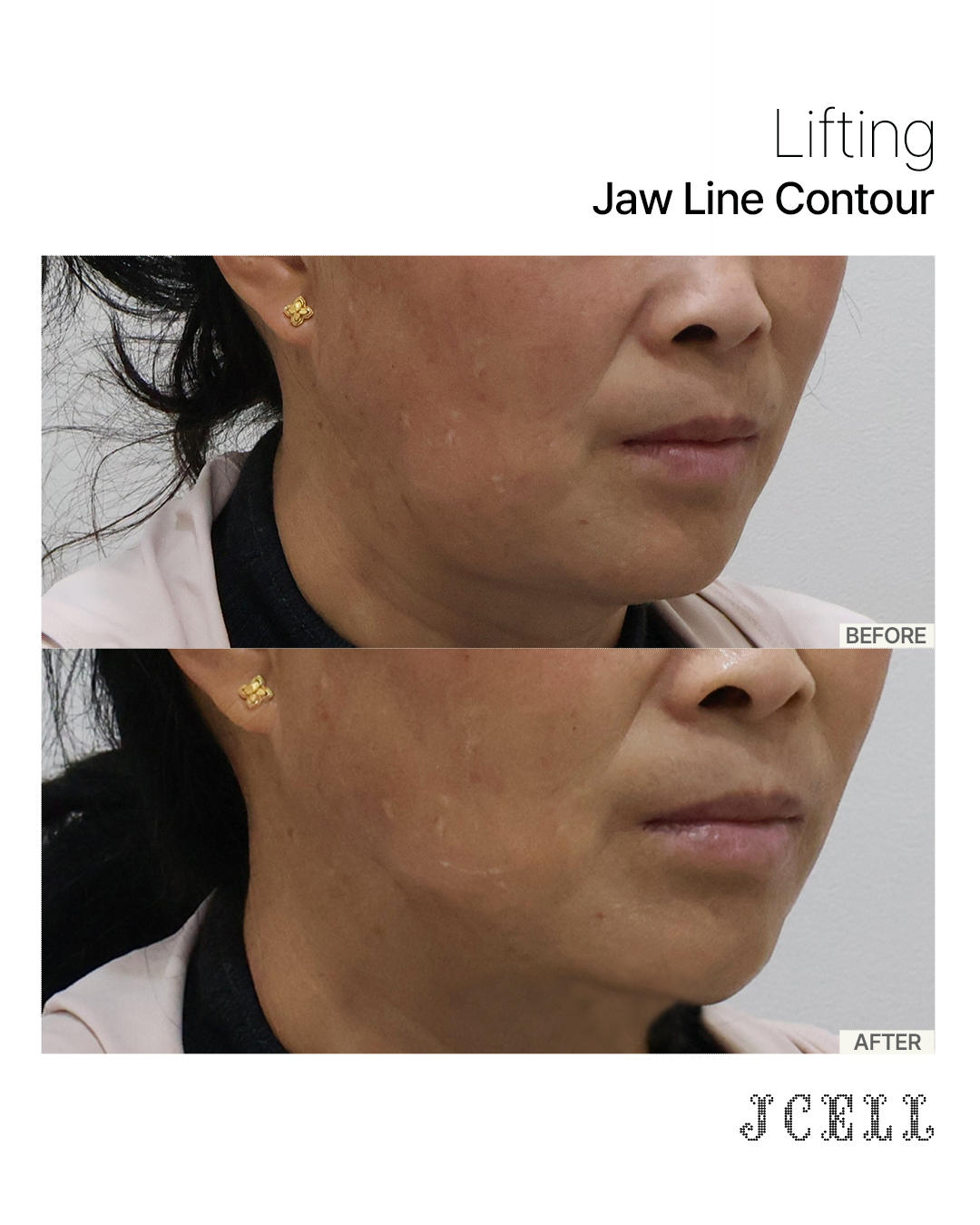
- Loss of Elastic Recoil & Sagging: Destruction of the elastic framework leads to lower-face laxity, softening jawlines, and deepening nasolabial folds.
- Thin, Fragile Epidermis: Senescent keratinocytes in the upper skin layers impair barrier function and reduce cell turnover, resulting in dull, paper-like crepey skin texture.
Systemic Connections to Body-Wide Aging
Cellular senescence is not limited to the skin; it is a primary driver of functional decline across the entire human body:
- Organ & Tissue Dysfunction: Senescent cell accumulation contributes to vascular stiffness, reduced muscle regeneration, and joint cartilage breakdown.
- Healthspan Limitation: High systemic levels of senescent cells correlate directly with elevated biological age and chronic inflammatory conditions, bridging dermal aging with systemic healthspan.
Clinical Strategies to Address Cellular Senescence
Modern regenerative aesthetics focuses on neutralizing SASP, clearing senescent signaling, and restoring healthy fibroblast function:
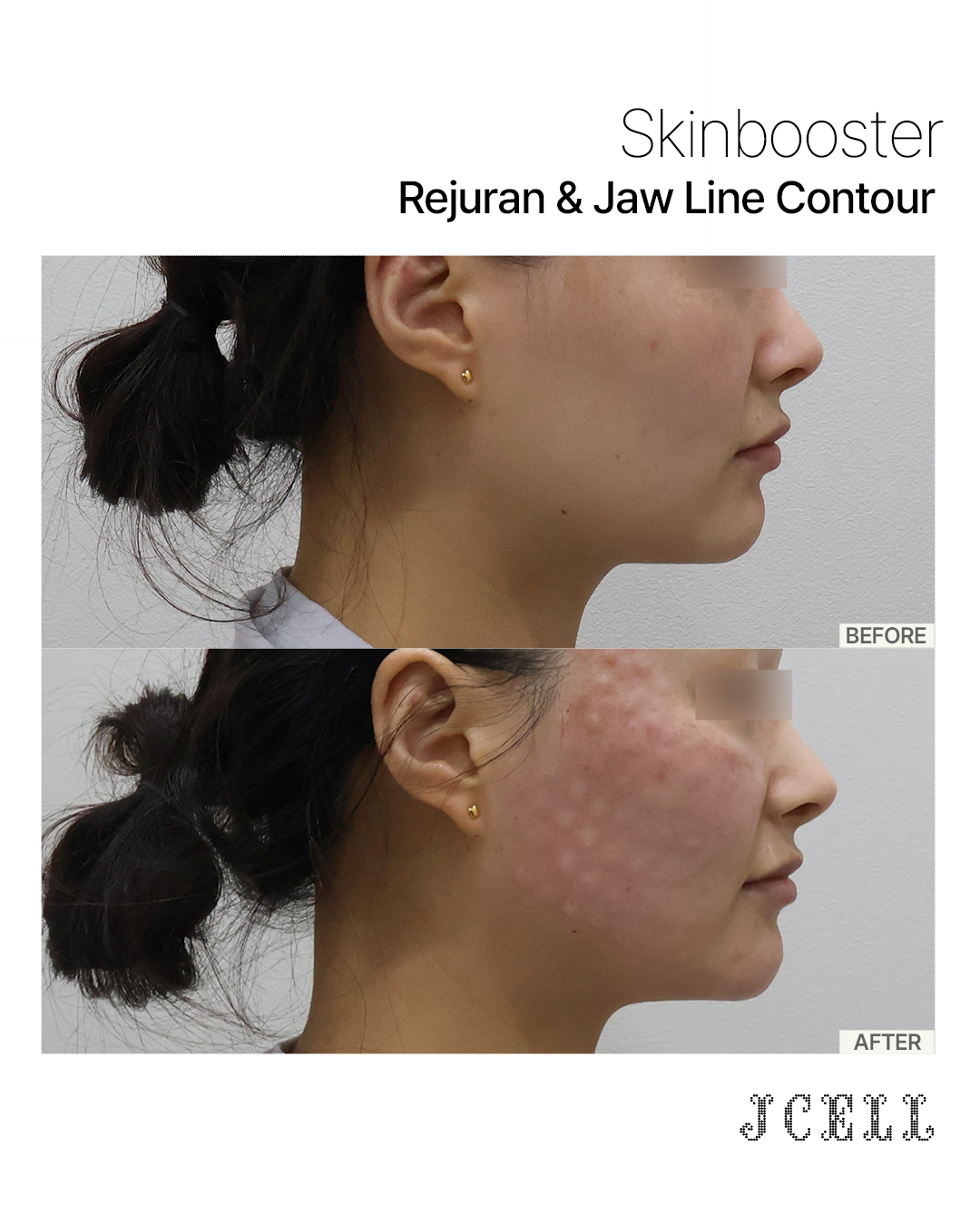
- Polynucleotide Therapies (Rejuran Healer): Purified DNA polymers calm SASP-induced inflammatory cascades, repair damaged extracellular environments, and support the survival of healthy, active skin cells.
- Injectable Biostimulators (Juvelook, Sculptra): Re-establish mechanical tension in the dermis, providing a supportive scaffold that signals remaining functional fibroblasts to resume Type I collagen production.
- Energy-Based Tissue Remodeling (Thermage FLX, Potenza): Controlled thermal energy clears compromised tissue and senescent fibers, signaling the body to initiate fresh cell renewal and neocollagenesis.
Final Thoughts
Cellular senescence transforms functional skin cells into lingering "zombie cells" that actively degrade surrounding collagen through toxic SASP secretions. By combining daily photoprotection with targeted regenerative biostimulants, you can interrupt the senescence cascade, protect your dermal matrix, and maintain firm, vibrant, and biologically healthy skin.