Oxidative Stress and Skin Aging
Oxidative stress is widely recognized in dermatology as one of the most aggressive internal catalysts for premature skin aging. It occurs when there is a fundamental imbalance between the production of reactive oxygen species (ROS)—commonly known as free radicals—and your skin's natural antioxidant defense mechanisms.
Left unchecked, this continuous molecular stress causes widespread damage to cellular structures, resulting in rapid dermal thinning, deep wrinkles, and loss of skin elasticity.
Understanding Free Radicals and ROS
Free radicals are unstable, highly reactive molecules that possess an unpaired electron. In an effort to stabilize themselves, they aggressively steal electrons from surrounding healthy skin cells, lipids, proteins, and DNA in a destructive domino effect known as oxidation.
- Endogenous Sources: Free radicals are naturally produced as metabolic byproducts during cellular energy (ATP) creation within skin cell mitochondria.
- Exogenous Triggers: Environmental factors exponentially increase free radical production. These include ultraviolet (UV) radiation, atmospheric pollution, ozone, cigarette smoke, heavy metals, and blue light.
How Oxidative Stress Destroys Dermal Frameworks
Free radicals attack skin architecture across multiple biological layers, compromising both structural integrity and cellular function:
- Lipid Peroxidation & Barrier Breakdown: Free radicals steal electrons from membrane lipids in the stratum corneum, weakening the protective skin barrier. This leads to chronic moisture loss, increased sensitivity, and complexional dullness.
- Activation of Collagen-Degrading MMPs: Oxidative stress triggers intracellular signaling cascades (AP-1 and NF-kB) that massively upregulate Matrix Metalloproteinases (MMPs). These destructive enzymes actively break down intact Type I and Type III collagen fibers faster than body can produce them.
- Direct Damage to Fibroblasts: Free radicals attack dermal fibroblasts, causing structural collapse and cellular senescence. Damaged fibroblasts lose mechanical tension and shut down the synthesis of new collagen, elastin, and hyaluronic acid.
- Mitochondrial DNA Mutations: Mitochondrial DNA lacks protective histone proteins, making it exceptionally vulnerable to oxidative damage. Mutated mitochondria produce less cellular energy while leaking even more free radicals into the cell.
Visible Markers of Oxidative Skin Aging
Cumulative oxidative damage translates into distinct physical signs across the face over time:
- Hyperpigmentation & Sun Spots: Free radical stress stimulates melanocyte activity, causing irregular melanin distribution, sun spots, and uneven complexional tone.
- Loss of Firmness & Deep Static Creasing: Destruction of the dermal matrix reduces skin density, causing soft tissue to yield to gravity and deepening expression lines into permanent creases.
- Sallow, Dull Skin Texture: Compromised micro-circulation and damaged epidermal lipids reduce light reflectance, giving skin an ash-colored or yellowed appearance.
Systemic Connections to Cellular Longevity
Oxidative stress is not confined strictly to the cutaneous layer; it is a primary driver of systemic biological aging throughout the human body:
- Extracellular Matrix Stress Across Tissues: Similar to dermal collagen degradation, systemic oxidative stress impairs structural connective tissue in joints, blood vessels, and internal organs.
- Accelerating Biological Age: High systemic ROS levels correlate directly with accelerated telomere shortening and higher systemic inflammatory markers, bridging the gap between skin health and overall longevity.
Clinical Strategies to Neutralize Oxidative Stress
Modern regenerative aesthetics focuses on restoring antioxidant balance and repairing oxidatively damaged tissue:
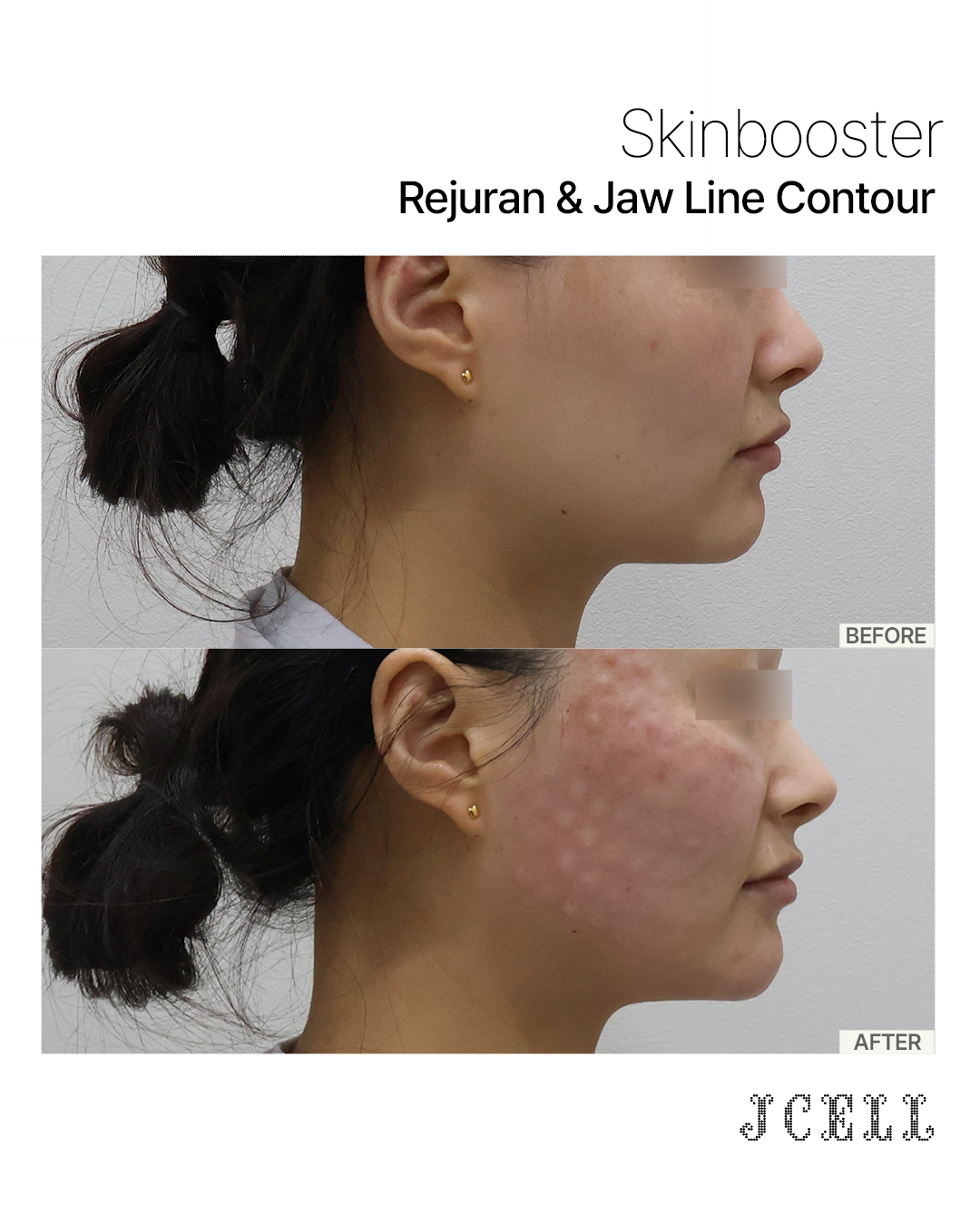
- Polynucleotide Boosters (Rejuran Healer): Purified salmon-DNA polymers act as powerful scavengers of free radicals, repair damaged extracellular environments, and calm oxidative micro-inflammation.
- Injectable Biostimulants (Juvelook, Sculptra): Re-establish mechanical tension in dermal tissue, providing a healthy scaffold that protects fibroblasts from oxidative collapse and stimulates fresh collagen synthesis.
- Topical Antioxidant Therapy: Applying daily high-potency antioxidants—such as Vitamin C (L-ascorbic acid), Vitamin E, Ferulic Acid, and Niacinamide—neutralizes surface free radicals before they reach deeper dermal structures.
- Strict Broad-Spectrum Photoprotection: Daily application of SPF 50+ blocking both UVA and UVB rays prevents the single largest environmental trigger of cutaneous ROS generation.
Final Thoughts
Oxidative stress accelerates skin aging by stealing essential electrons from healthy cells, triggering destructive collagenase enzymes, and depleting cellular energy. By combining diligent daily topical antioxidant protection with advanced clinical biostimulation, you can effectively quench free radical activity, protect your dermal framework, and maintain resilient, dense skin over time.