Collagen Loss Explained
Collagen is the primary structural protein responsible for keeping skin smooth, firm, and resilient. Making up nearly 80% of the skin’s dermal layer, it forms a tight network of fibers that acts as internal scaffolding.
As time passes, this scaffolding gradually breaks down. Understanding how and why collagen loss occurs helps clarify why skin changes over time and how modern aesthetic treatments work to rebuild it from within.
The Science of Degradation: How Collagen Decreases
Collagen decline is driven by two simultaneous biological processes: decreased production and increased breakdown.
- The 1% Annual Drop: Starting in your early 20s, natural collagen production decreases by roughly 1% per year. In the early years, this loss is subtle because existing fibers remain dense.
- Fibroblast Inactivity: Specialized cells in the dermis called fibroblasts produce collagen, elastin, and hyaluronic acid. As skin ages, fibroblasts receive fewer mechanical signals to remain active, causing output to drop.
- Enzymatic Destruction: Matrix Metalloproteinases (MMPs)—enzymes triggered by age and environmental stressors—actively chop dense collagen bundles into fragmented, non-functional pieces.
- Hormonal Acceleration: Hormonal shifts significantly impact collagen density. During the first five years of menopause, skin can lose up to 30% of its total collagen, leading to rapid skin thinning and laxity.
Intrinsic vs. Extrinsic Drivers of Collagen Loss
Collagen breakdown is dictated by a combination of internal biological timing and external environmental exposures:
- Intrinsic Aging (Chronological): Genetically programmed cellular aging slows down repair mechanisms, leading to thinner dermal walls and reduced structural support over time.
- Photoaging (UV Exposure): Sun exposure is the single largest external cause of collagen destruction. UV rays generate free radicals that trigger rapid MMP activity, breaking down fibers decades faster than biological aging alone.
- Glycation: High sugar consumption leads to Advanced Glycation End-products (AGEs). Sugar molecules bond to collagen fibers, turning them stiff, brittle, and prone to snapping.
- Lifestyle Stressors: Chronic stress raises cortisol levels, which impairs cellular repair. Smoking and environmental pollution directly inhibit fibroblast function while accelerating oxidative stress.
What Happens to Your Skin When Collagen Fades?
When the collagen framework degrades, the visible effects extend across multiple layers of the face:
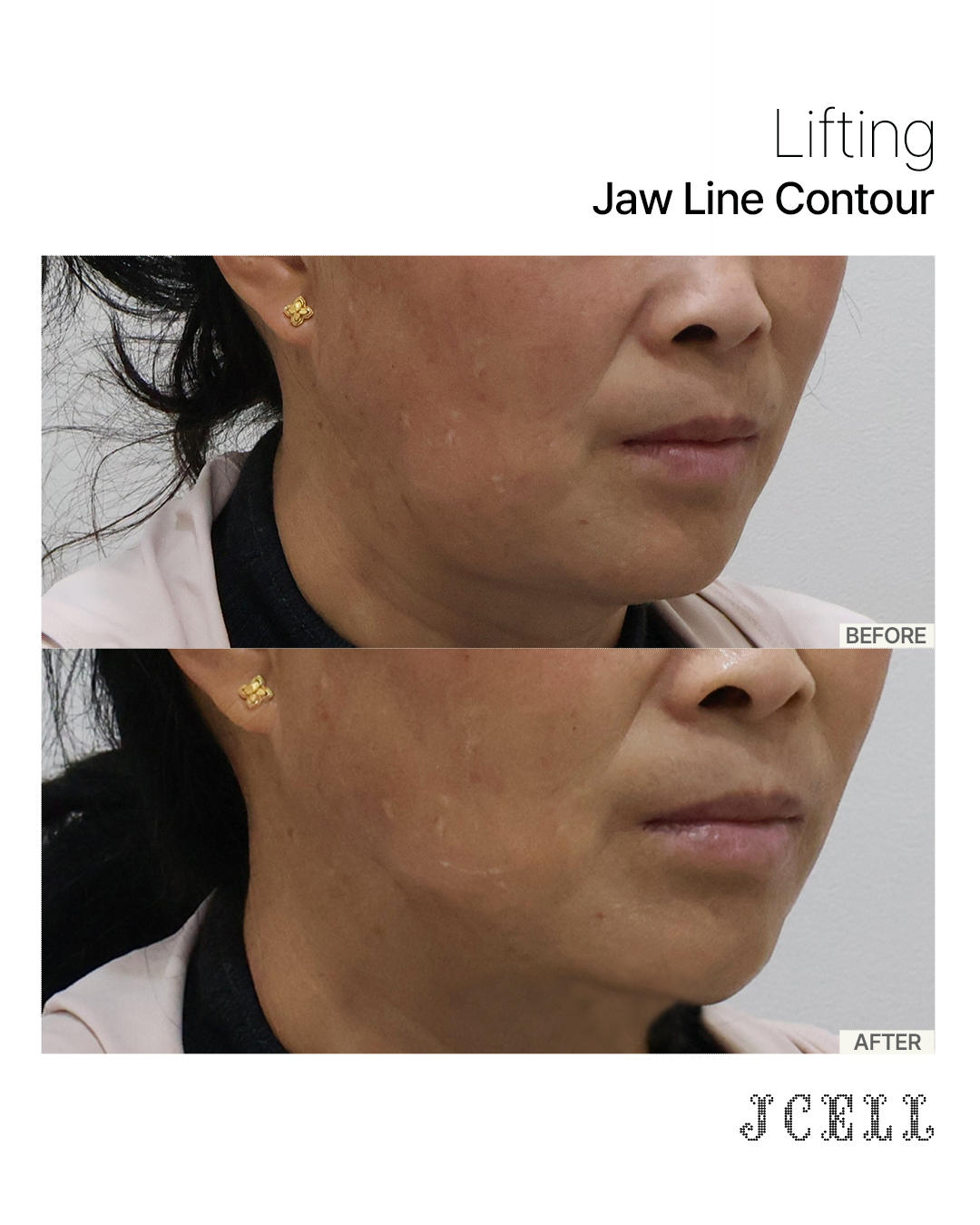
- Loss of Firmness & Elasticity: As dermal thickness diminishes, skin loses its ability to snap back, resulting in subtle sagging along the cheeks and jawline.
- Textural Changes & Fine Lines: Fragile collagen networking cannot support the epidermis, leading to surface crepiness, fine lines, and enlarged pores.
- Deep Creases & Volume Loss: Without strong dermal backing, repetitive facial expressions cause dynamic lines to settle into deep, static wrinkles.
Rebuilding Collagen: Modern Biostimulatory Solutions
Topical creams struggle to penetrate deep into the dermis where collagen is generated. Consequently, regenerative aesthetic medicine focuses on triggering the body’s natural neocollagenesis (new collagen formation):
- Injectable Biostimulators: Formulations such as PLLA (Poly-L-Lactic Acid / Juvelook, Sculptra) and CaHA (Calcium Hydroxyapatite / Radiesse) are placed deep in the tissue to activate fibroblasts, producing natural Type I and Type III collagen over several months.
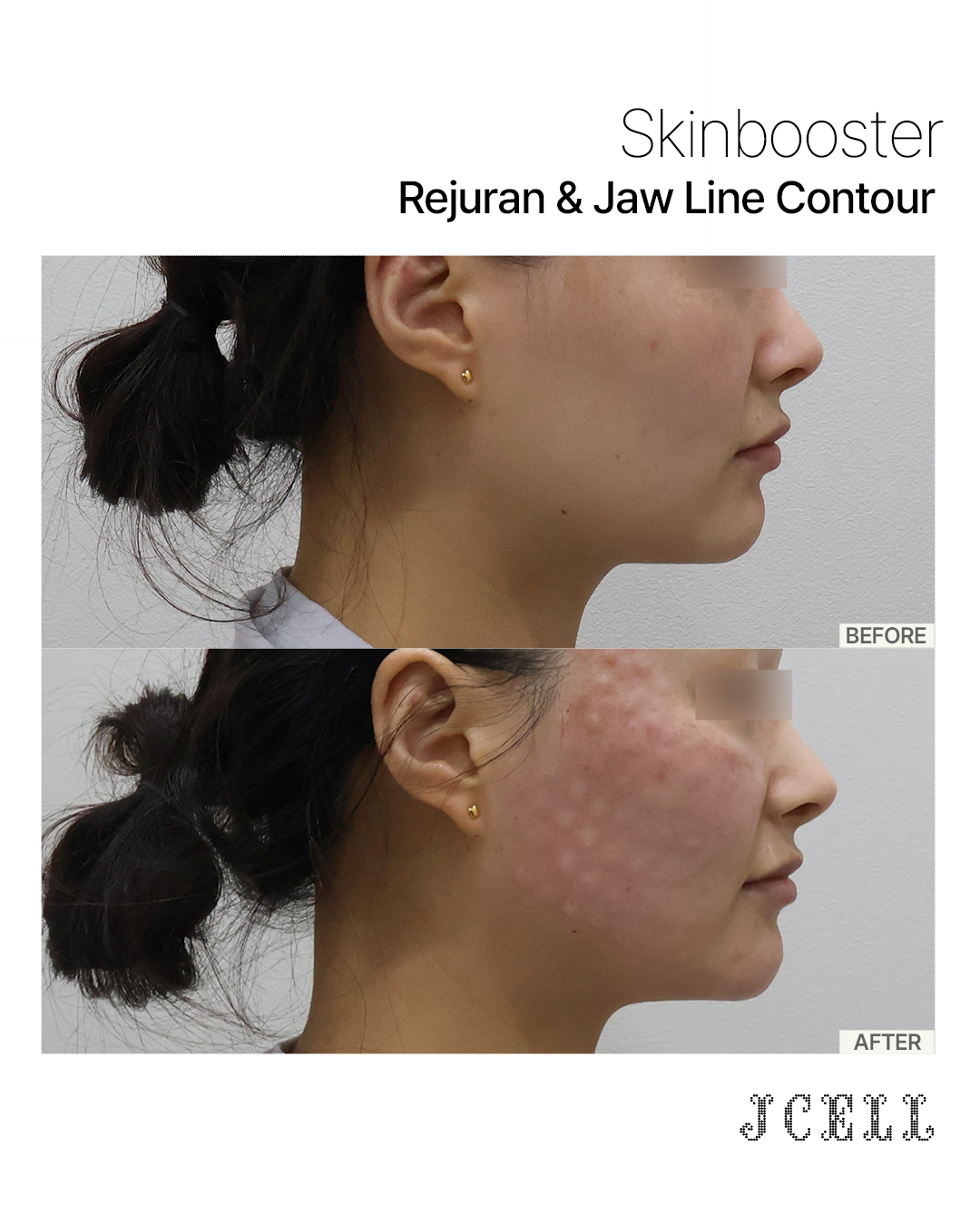
- Polynucleotides (PN/PDRN): Salmon-DNA-derived skin boosters like Rejuran Healer repair damaged dermal environments, reducing inflammation and creating optimal conditions for fibroblast activation.
- Energy-Based Devices: Targeted heat from Radiofrequency (RF) Microneedling or High-Intensity Focused Ultrasound (HIFU) creates controlled micro-injuries in the dermis, signaling the body to synthesize fresh, tight collagen fibers.
Final Thoughts
Collagen loss is an unavoidable part of human biology, but it is no longer an untreatable one. Rather than relying solely on superficial hydration or temporary structural volume, modern skin rejuvenation focuses on restoring the dermal ecosystem. By combining preventive daily habits—such as rigorous UV protection—with collagen-stimulating aesthetic procedures, it is possible to reinforce your skin's structural foundation and preserve long-term skin health.