Why Skin Starts to Sag After 30
Noticing subtle changes in facial firmness—a softer jawline, flatter cheeks, or faint laugh lines that do not bounce back as quickly—is a natural milestone of entering your 30s. While these shifts can feel sudden, they are the result of cumulative cellular changes occurring beneath the surface.
In your 20s, skin cells regenerate rapidly, supported by a dense meshwork of structural proteins. By age 30, the balance between tissue production and degradation begins to tip, marking the onset of gradual skin laxity.
1. The Internal Biological Engine: Collagen & Elastin Loss
The fundamental foundation of firm, youthful skin sits within the dermal layer, which is composed primarily of two vital proteins: collagen and elastin.
- Annual Collagen Decline: Starting in your late 20s to early 30s, natural collagen synthesis slows by approximately 1% every year. By your mid-30s, the net loss of collagen exceeds what your body can rebuild, weakening the skin’s structural scaffolding.
- Elastin Fragmentation: While collagen provides strength, elastin allows skin to snap back after movement. After 30, elastin fibers begin to stretch, fragment, and lose their coiled resilience, leading to reduced skin "bounce."
- Sluggish Fibroblasts: Fibroblasts—the master cells responsible for producing collagen, elastin, and hyaluronic acid—become less active. Fragmented collagen fibers provide fewer structural points for fibroblasts to attach to, creating a self-reinforcing cycle of lower protein production.
2. Multi-Layer Structural Changes: Beyond the Dermis
Facial aging is not just a surface phenomenon. Skin sagging is driven by simultaneous structural shifts occurring across deeper biological layers:
- Hyaluronic Acid Depletion: Naturally occurring hyaluronic acid in the extracellular matrix declines with age. This reduces the skin's internal hydration capacity, causing the dermis to thin and look less plump.
- Fat Pad Descent & Atrophy: Facial fat compartments that provide youthful volume in the cheeks gradually shrink and shift downward due to gravity, leading to hollows under the eyes and early jowl formation.
- Ligament & Bone Remodeling: Deep retaining ligaments that anchor skin to the facial skeleton gradually loosen. Simultaneously, subtle bone resorption around the orbits and jawline reduces the underlying framework holding the skin tight.
3. External Accelerators: What Speeds Up Skin Laxity
While biological aging is inevitable, external lifestyle and environmental factors significantly accelerate structural breakdown after 30:
- Photoaging (UV Rays): Ultraviolet radiation activates matrix metalloproteinases (MMPs)—enzymes that aggressively break down collagen and elastin fibers in the dermal layer.
- Oxidative Stress & Glycation: Diets high in refined sugars cause advanced glycation end-products (AGEs) to form, cross-linking collagen fibers and making them rigid and prone to snapping.
- Chronic Cortisol Elevation: Stress and sleep deprivation elevate systemic cortisol, which impairs the skin barrier and disrupts nocturnal cellular repair processes.
4. Modern Clinical Strategies to Target Early Laxity
Understanding why skin sags after 30 has transformed modern aesthetic medicine from reactive filling to proactive biological rejuvenation:
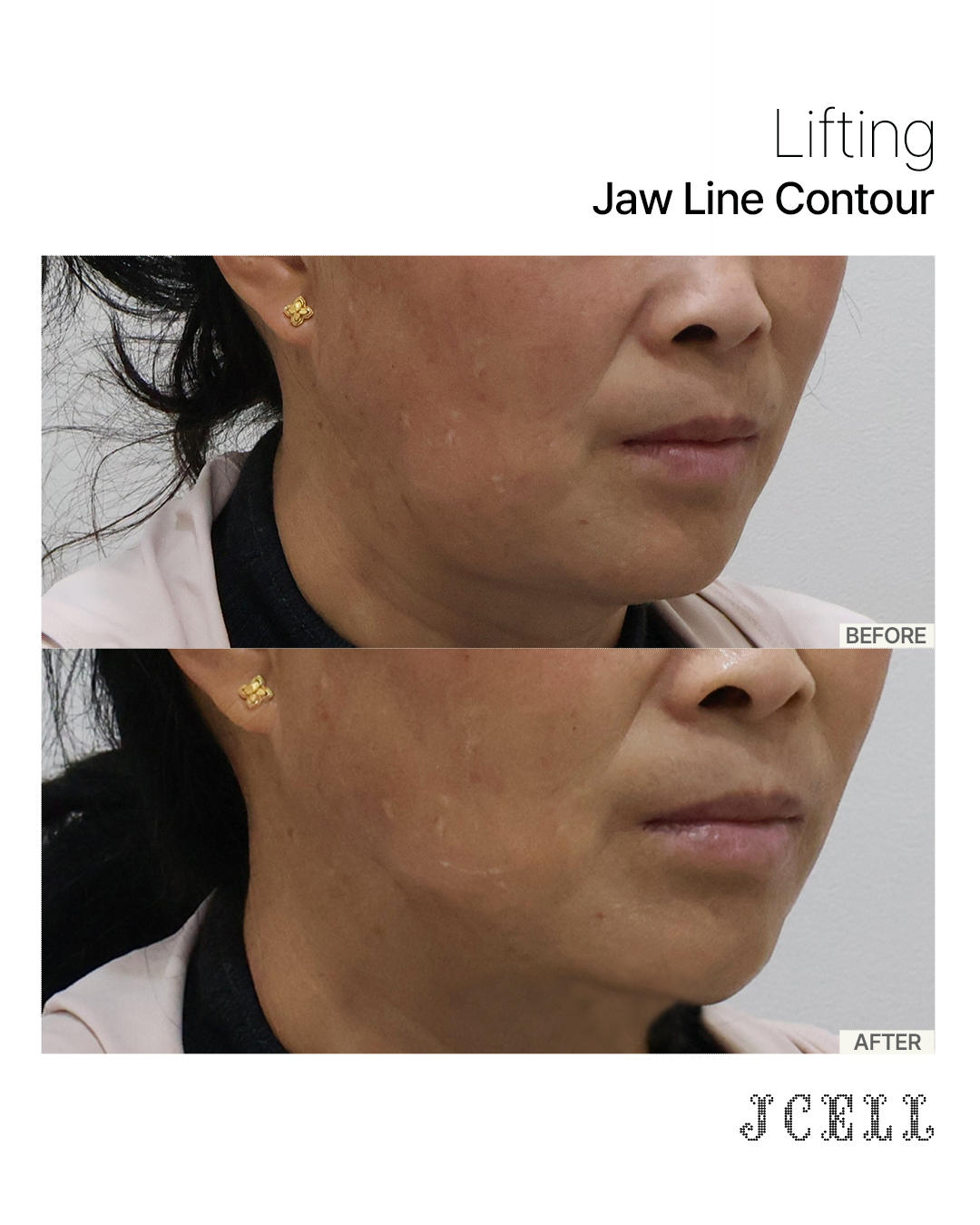
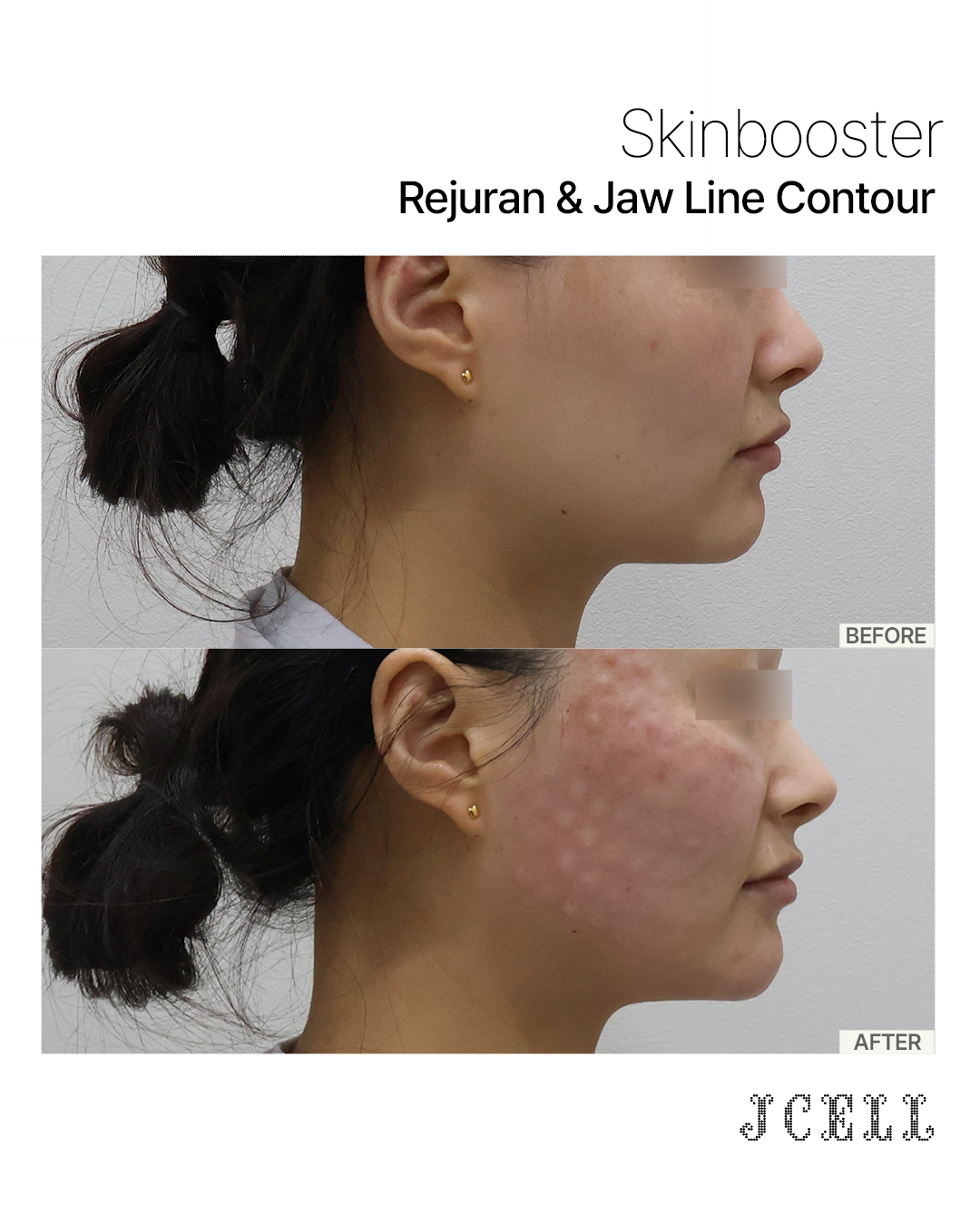
- Preventive Biostimulation: Injectable skin boosters (such as Polynucleotides/Rejuran and Poly-L-Lactic Acid/Juvelook) trigger dormant fibroblasts to produce fresh Type I and Type III collagen.
- Energy-Based Collagen Remodeling: Devices utilizing Radiofrequency (RF) Microneedling or High-Intensity Focused Ultrasound (HIFU) deliver controlled thermal energy into the deep dermis to contract existing fibers and stimulate neo-collagenesis.
- Barrier & Matrix Restoration: Topical retinoids, peptides, and daily broad-spectrum sun protection help preserve the existing collagen matrix while supporting cellular turnover.
Final Thoughts
Skin sagging after 30 is a predictable, multi-layered biological process driven by decreasing collagen production, structural fat shifts, and environmental stress. Rather than masking these changes with heavy surface treatments, modern aesthetic approaches focus on strengthening the dermal architecture from within. By combining daily sun protection, targeted skincare, and collagen-stimulating clinical treatments, you can preserve skin resilience and maintain a firm, natural look for years to come.