Collagen Restoration vs Skin Tightening
As non-surgical aesthetic medicine evolves, two primary terms dominate anti-aging consultations: collagen restoration and skin tightening. While both aim to reverse the signs of aging and restore skin firmness, they target different biological mechanisms and structural layers within the skin. Understanding the distinction between rebuilding skin density from within and contracting lax tissue allows patients to make informed decisions for their aesthetic goals.
Understanding Collagen Restoration
Collagen restoration focuses on biological regeneration—stimulating your body’s fibroblasts to synthesize new Type I and Type III collagen fibers over time. Rather than relying on instant structural contraction, this approach rebuilds dermal density, improves skin elasticity, and restores healthy cellular function.
- Target Depth: Dermis (1.0mm to 2.5mm depth).
- Primary Objective: Rebuild skin thickness, smooth fine lines, restore elastic recoil, and enhance overall skin resilience.
- Mechanism of Action: Micro-injuries or biostimulatory compounds trigger a natural healing cascade, encouraging gradual collagen production over 4 to 12 weeks.
- Best Candidate Concerns: Thinning skin, crepey texture, fine wrinkles, loss of elasticity, dull tone, and hollow areas lacking structural support.
Understanding Skin Tightening
Skin tightening focuses on thermal contraction and structural lifting. By delivering targeted heat or mechanical support to deeper dermal and sub-dermal tissue layers, these treatments immediately shrink loose collagen fibers while stimulating long-term tissue remodeling along key facial contours.
- Target Depth: Deep Dermis and SMAS Layer (2.5mm to 4.5mm depth).
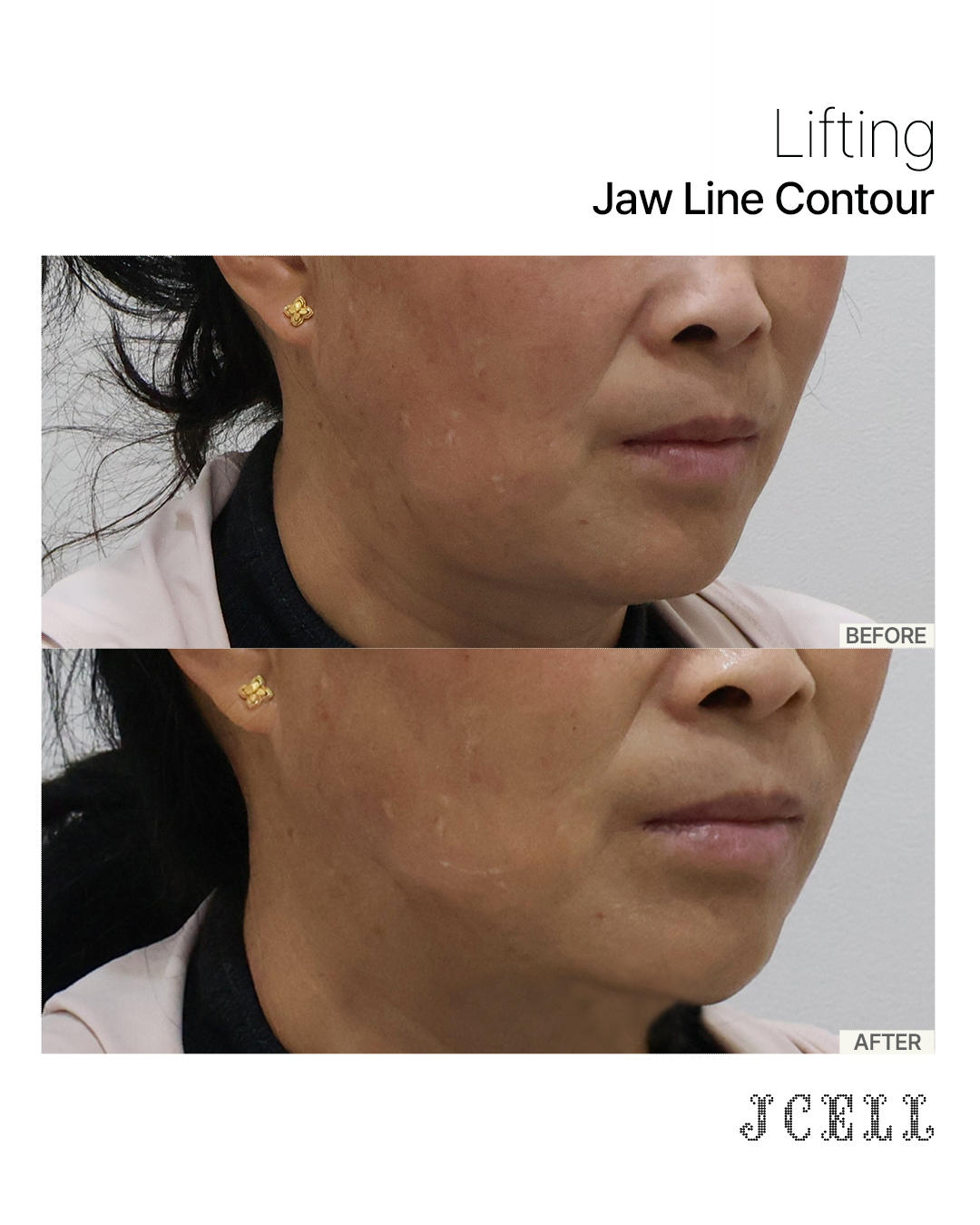
- Primary Objective: Lift sagging tissue, define the jawline, reduce jowling, and contract loose skin ("shrink-wrap" effect).
- Mechanism of Action: High thermal energy causes immediate collagen fiber contraction, followed by secondary tissue contraction over 2 to 6 months.
- Best Candidate Concerns: Sagging jowls, mild-to-moderate skin laxity, loss of jawline definition, double chins, and loose neck skin.
Key Differences: Collagen Restoration vs Skin Tightening
While both approaches result in firmer, younger-looking skin, their primary mechanisms, ideal modalities, and clinical outcomes differ distinctively.
- Primary Mechanism: Collagen restoration acts as a biological builder (increasing dermal matrix density), whereas skin tightening acts as a thermal contractor (lifting and pulling slack tissue).
- Onset of Results: Collagen restoration yields gradual, progressive improvements visible after several weeks, while skin tightening often provides a mild immediate contraction followed by continued lifting over 3 to 6 months.
- Primary Modalities: Collagen restoration relies heavily on biostimulatory injectables, skin boosters, and RF microneedling. Skin tightening relies primarily on focused energy devices (HIFU and Monopolar RF) and mechanical lifting (threads).
- Skin Texture vs Contour: Restoration primarily improves surface quality, skin bounce, and fine texture. Tightening primarily redefines facial contours and structural framing.
Primary Treatment Modalities in Contemporary Dermatology
Advanced clinics utilize specialized devices and injectable treatments tailored to each target layer.
- Top Collagen Restoration Treatments:
- PDLLA & PLLA Biostimulators (Juvelook / Sculptra): Microparticles injected into the dermis stimulate sustained, natural collagen matrix regeneration over many months.
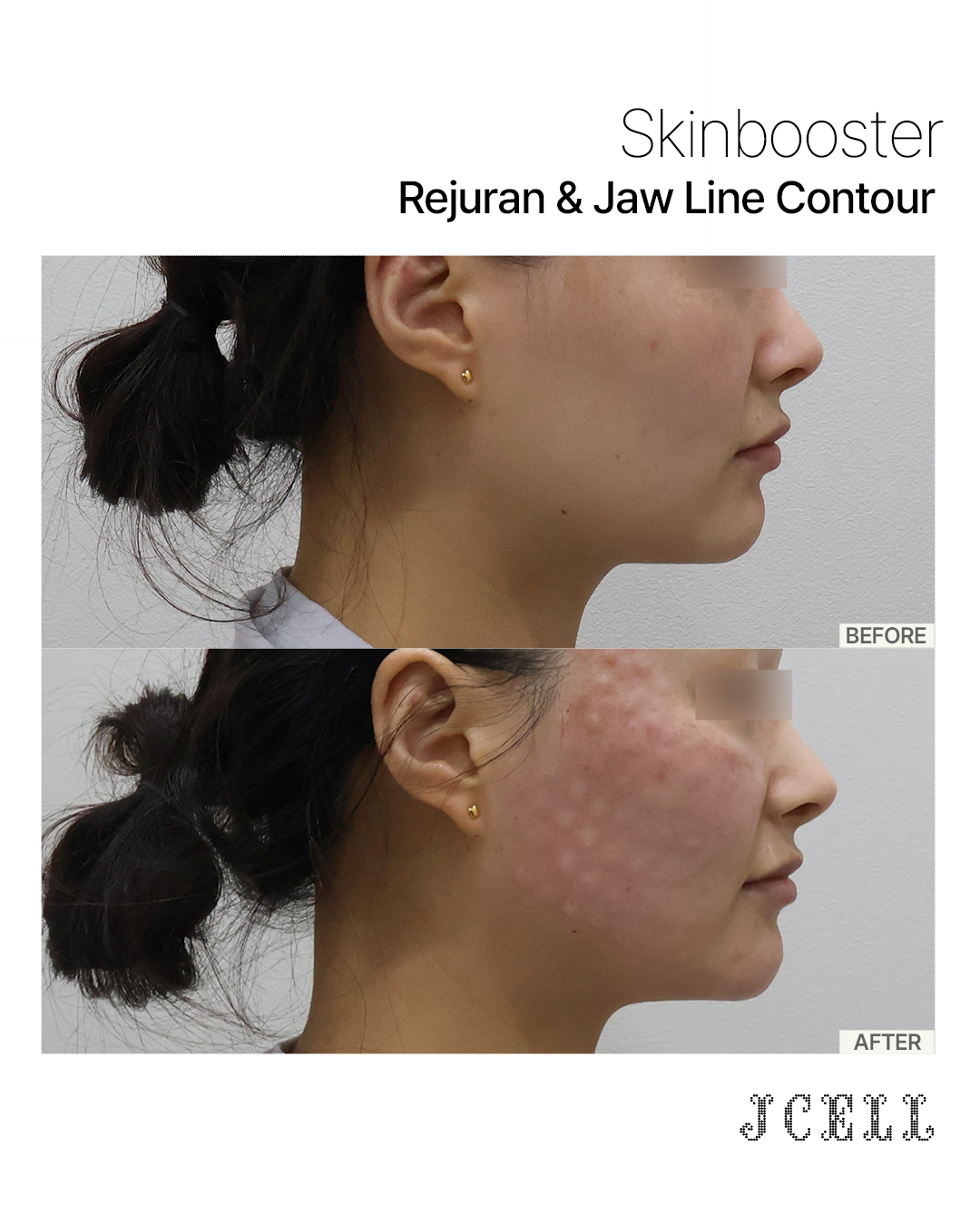
- Polynucleotides (Rejuran Healer): Salmon-DNA derived polynucleotides deliver cellular repair signals to restore damaged dermal architecture and enhance hydration.
- RF Microneedling (Potenza / Virtue RF): Insulated microneedles deliver radiofrequency energy directly into the mid-dermis, triggering dual collagen synthesis and pore refinement.
- Top Skin Tightening Treatments:
- Micro-Focused Ultrasound / HIFU (Ultherapy Prime / Shurink Universe): Delivers precise thermal energy to the SMAS (Superficial Musculoaponeurotic System) layer to lift sagging facial contours without surgery.
- Monopolar Radiofrequency (Thermage FLX / Oligio / Volnewmer): Uniformly heats the deep dermal layer to contract loose collagen fibers and create a firm, taut surface.
- Absorbable Thread Lifting (PDO / PLLA Threads): Biocompatible dissolvable threads provide immediate mechanical elevation while encouraging localized collagen synthesis along vector lines.
The Korean Synergy: Multi-Layered Combination Therapy
In modern Korean dermatology, collagen restoration and skin tightening are rarely treated as mutually exclusive options. Instead, leading Seoul clinics advocate for multi-layered combination protocols that address skin laxity from the surface down to the deep SMAS layer in a single session.
- The "Lifting + Regeneration" Protocol: Pairing a deep ultrasound lifting device (like Ultherapy or Shurink) with a superficial collagen biostimulator (like Juvelook) ensures both structural jawline elevation and youthful dermal plumpness.
- The "Thermal + Cellular" Protocol: Combining monopolar radiofrequency (Thermage FLX) with polynucleotides (Rejuran) maximizes thermal tissue contraction while mitigating thermal dryness through deep cellular hydration.
- Customized Energy Stacking: Korean specialists precisely adjust energy depths, pass counts, and injection vector patterns based on individual skin thickness and structural anatomy, ensuring natural-looking results with minimal social downtime.
Estimated Cost Overview (USD)
Treatment prices vary based on clinic reputation, specialist expertise, device type, and shot counts.
- HIFU Deep Lifting (Shurink Universe / Liftera): $200 – $500 USD
- Premium Ultrasound Lifting (Ultherapy Prime, Full Face): $1,200 – $2,200 USD
- Monopolar RF Tightening (Oligio / Volnewmer): $400 – $800 USD
- Gold-Standard RF Tightening (Thermage FLX): $1,500 – $2,500 USD
- Collagen Stimulating Injectables (Juvelook / Sculptra, per session): $350 – $700 USD
- Cellular Skin Boosters (Rejuran Healer, per session): $250 – $500 USD
- RF Microneedling (Potenza / Sylfirm X): $300 – $600 USD
Essential Guidelines for International Visitors
Proper planning ensures a seamless, effective treatment journey when visiting South Korea for aesthetic care.
- Target Key Medical Districts: Premier dermatology practices catering to international patients are concentrated in Seoul's Gangnam, Cheongdam, Apgujeong, and Hongdae districts.
- Verify Device Authenticity: Ensure your clinic provides official authenticity certificates for genuine treatment tips (especially for Thermage FLX and Ultherapy) to prevent burns and ensure optimal safety.
- Consult Board-Certified Dermatologists: Look for clinics led by certified dermatology specialists rather than high-volume aesthetic chain outlets for personalized multi-layered plan design.
- Post-Treatment Energy Care: Avoid applying ice packs or taking non-steroidal anti-inflammatory drugs (NSAIDs) immediately after thermal tightening or biostimulation, as mild heat and inflammation are necessary to activate collagen remodeling.
- Passport Tax Refund: Bring your physical passport to the clinic to receive immediate on-site tax refunds, saving approximately 7% to 8% on total medical expenses.
Final Thoughts
Choosing between collagen restoration and skin tightening ultimately depends on your skin's primary structural needs. If your main concern is thin, crepey skin with fine lines, collagen restoration will rebuild your dermal foundation from within. If you are experiencing jawline sagging, jowling, or loose skin contours, skin tightening offers the necessary thermal contraction and lift. Combining both approaches under expert medical guidance delivers the most comprehensive, natural, and long-lasting anti-aging results.