Skin Quality vs Skin Tightness
In contemporary aesthetic medicine, patients often seek treatments to achieve a youthful, refreshed appearance, but confusion remains between skin quality and skin tightness. While tightness focuses on structural firmness and lifting sagging tissue, skin quality addresses the surface texture, hydration, luminosity, and health of the dermal layer itself. Understanding the distinction between these two dimensions is crucial for selecting the right procedures and achieving balanced, natural-looking results.
Understanding Skin Quality
Skin quality refers to the overall health, texture, and visual appearance of the skin at the epidermal and mid-dermal levels. It reflects how well the skin functions, retains moisture, and reflects light at rest and in motion.
- Target Depth: Epidermis and Superficial to Mid-Dermis (0.2mm to 1.5mm depth).
- Primary Objective: Restore hydration, refine pore size, smooth rough texture, equalize skin tone, and enhance natural radiance ("glow").
- Key Indicators: Hydration levels, surface smoothness, pigment uniformity, pore refinement, and subtle elastic recoil.
- Best Candidate Concerns: Dullness, dehydration, fine criss-cross lines, enlarged pores, redness, hyperpigmentation, and rough or uneven skin texture.
Understanding Skin Tightness
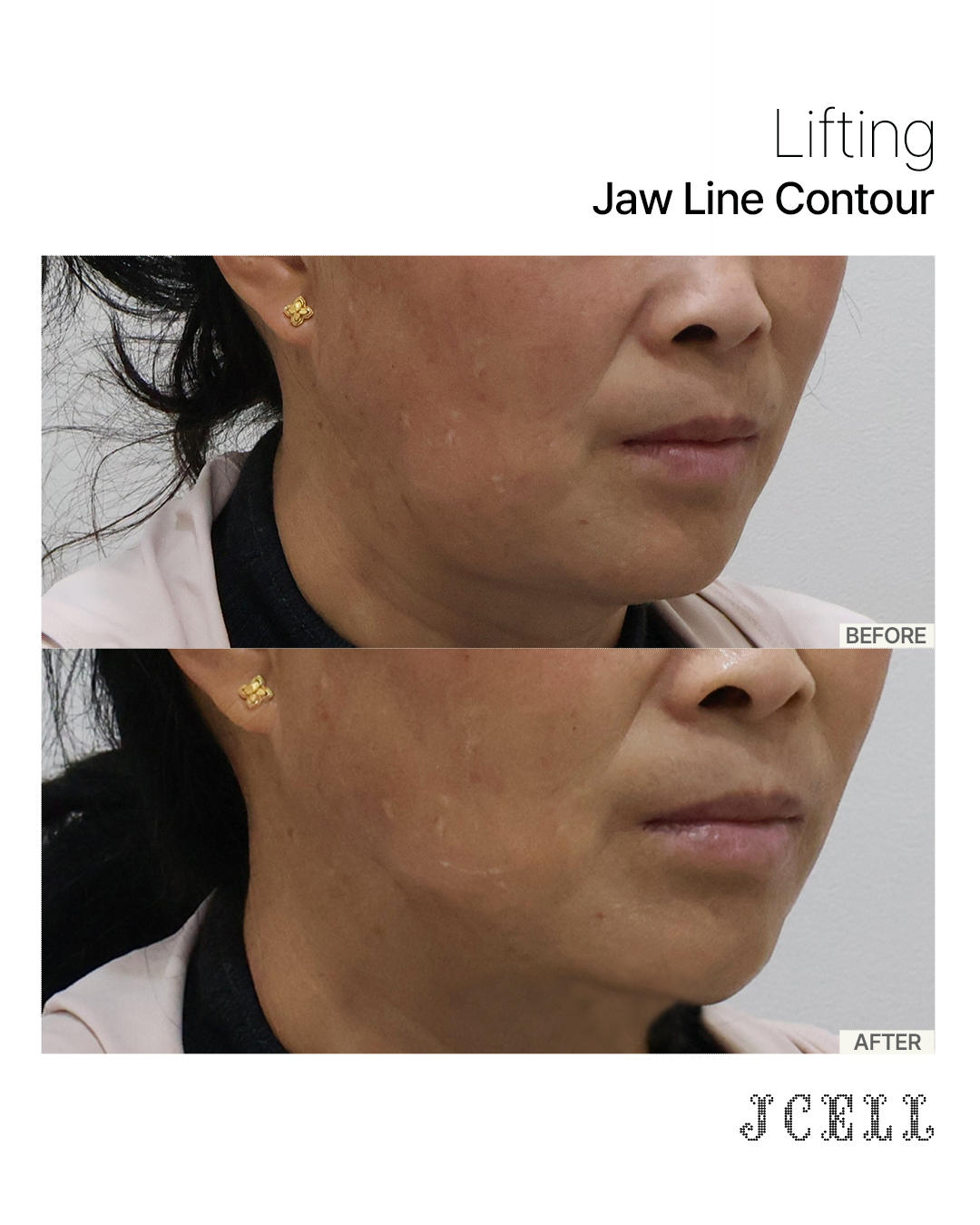
Skin tightness targets skin laxity—the structural slackness that occurs when deeper collagen and elastin fibers weaken over time. Rather than changing surface luminosity or hydration, tightening focuses on pulling and contracting dermal and sub-dermal tissues to restore firmness and contour.
- Target Depth: Deep Dermis and SMAS Layer (2.0mm to 4.5mm depth).
- Primary Objective: Reduce tissue laxity, firm drooping skin, define facial contours, and produce a sleek, taut structural frame.
- Key Indicators: Firmness upon palpation, jawline sharpness, reduction of jowling, and reduced tissue mobility.
- Best Candidate Concerns: Sagging jowls, loss of cheek volume support, loose neck skin, softening jawline contours, and mild-to-moderate skin laxity.
Key Differences: Skin Quality vs Skin Tightness
A common misconception in aesthetic dermatology is that tightening sagging skin will automatically fix surface dullness, or that hydrating the skin will lift a sagging jawline.
- Target Layer: Skin quality focuses on the surface and mid-dermis; skin tightness focuses on the deep dermis, subcutaneous fat septa, and the underlying SMAS fascia.
- Visual Outcome: Improving skin quality creates a healthy, light-reflecting, supple finish. Improving skin tightness redefines facial geometry and reduces visible sagging.
- Biological Function: Quality treatments boost cellular turnover, extracellular matrix hydration (hyaluronic acid), and microvascular repair. Tightening treatments use thermal or mechanical stress to shrink collagen fibers and induce deep tissue contraction.
- Clinical Misconception: Taut skin can still look dry, dull, or textured if dermal quality is ignored. Conversely, plump, glowing skin can still exhibit sagging along the lower face if structural tightness is lacking.
Primary Treatment Modalities in Contemporary Dermatology
Advanced practices deploy distinct categories of technologies and injectables depending on whether the priority is dermal restoration or deep contraction.
- Top Treatments for Skin Quality:
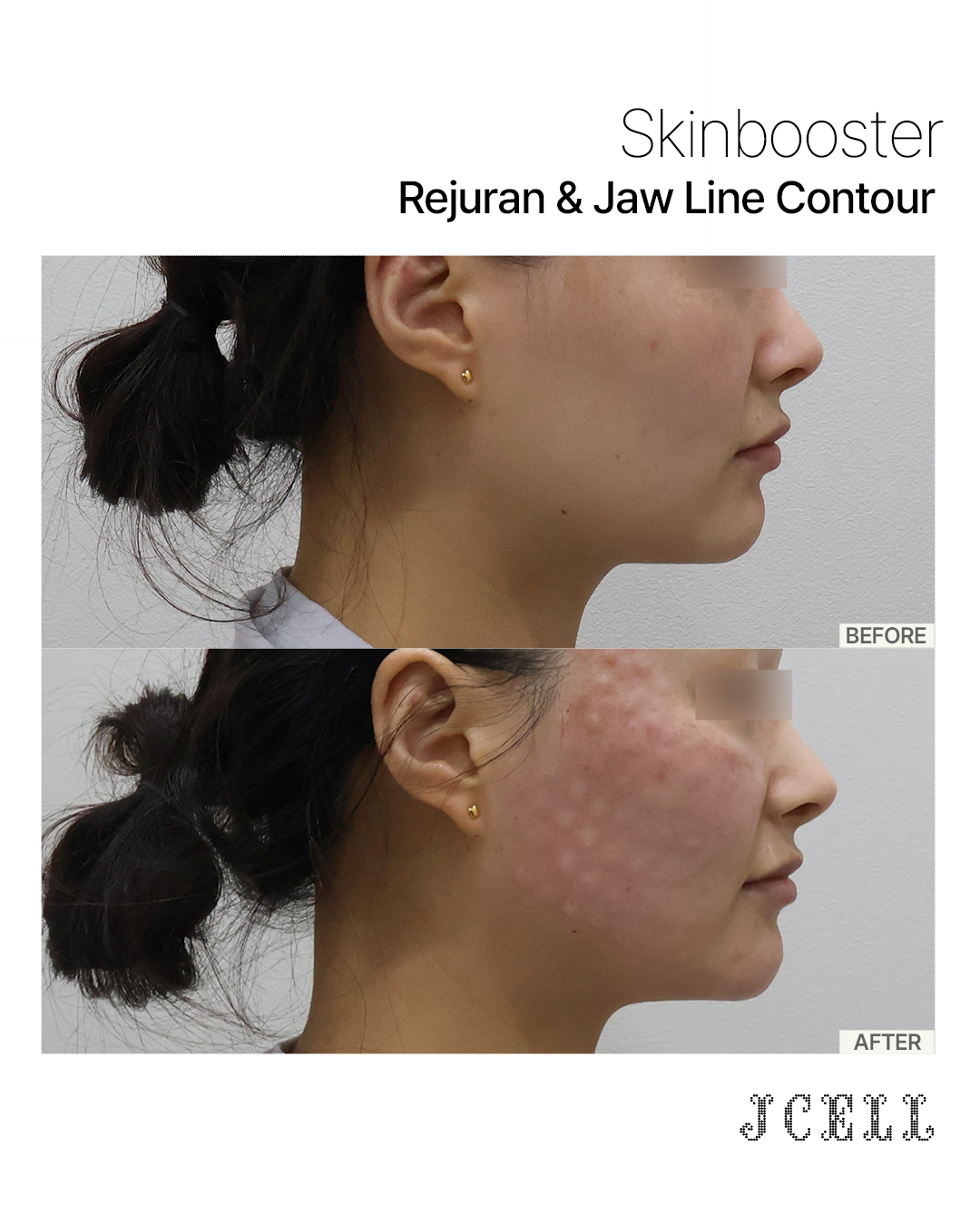
- Skin Boosters & Polynucleotides (Rejuran Healer / HA Boosters): Injected directly into the upper dermis to stimulate cellular repair, restore water retention, and strengthen the epidermal barrier.
- Exosome Therapy & Biomimetic Peptides: Topical or micro-channeling protocols that accelerate tissue regeneration, reduce inflammation, and enhance cellular communication.
- Picosecond Lasers & Gentle Chemical Peels: Target surface dyschromia, sun damage, and textural irregularities to maximize light reflection.
- RF Microneedling (Potenza / Sylfirm X): Delivers precise micro-injuries and radiofrequency energy to smooth texture, shrink pores, and improve superficial elasticity.
- Top Treatments for Skin Tightness:
- High-Intensity Focused Ultrasound / HIFU (Ultherapy Prime / Shurink Universe): Focuses acoustic energy deep into the SMAS layer at 3.0mm–4.5mm, inducing micro-coagulation zones that contract and lift sagging tissue.
- Monopolar Radiofrequency (Thermage FLX / Oligio / Volnewmer): Bulk-heats the deep dermis to immediately contract collagen bundles and initiate progressive tissue tightening over several months.
- Thread Lifting: Utilizes dissolvable biothreads (PDO/PLLA) placed in deeper subcutaneous planes to physically reposition sagging tissue and create immediate vector support.
The Korean Synergy: Multi-Layered Combination Protocols
In South Korea’s renowned aesthetic clinics, dermatologists rarely treat skin quality or tightness in isolation. Instead, they champion multi-layered combination protocols designed to address all anatomical levels in a single, coordinated session.
- The "Lifting + Luminescence" Protocol: Combining a deep ultrasound tightening treatment (such as Ultherapy or Shurink) with an injectable skin booster (like Rejuran Healer) ensures that while deep structural tissues are lifted, the surface dermis receives vital hydration and repair signals.
- The "Thermal Tightening + Cellular Repair" Protocol: Pairing high-energy monopolar RF (Thermage FLX) with superficial exosome or polynucleotide injections counteracts post-thermal dryness and drastically accelerates healing, yielding both firm contours and radiant texture.
- Customized Energy Layering: Korean doctors precisely calibrate shot counts, energy levels, and injection depths tailored to Fitzpatrick skin type and dermal thickness, ensuring maximal aesthetic impact with minimal recovery time.
Estimated Cost Overview (USD)
Treatment fees vary depending on the medical district, device parameters, and doctor expertise in South Korea.
- Skin Quality Boosters (Rejuran / HA Boosters, per session): $250 – $550 USD
- RF Microneedling for Texture & Pores (Potenza / Sylfirm X): $300 – $650 USD
- Picosecond Laser Toning Protocol: $150 – $350 USD
- Monopolar RF Deep Tightening (Oligio / Volnewmer): $400 – $850 USD
- Premium Monopolar RF (Thermage FLX, Full Face): $1,500 – $2,500 USD
- Focused Ultrasound Lifting (Ultherapy / Shurink Universe): $350 – $1,800 USD
Essential Guidelines for International Visitors
Navigating aesthetic treatments in Seoul requires strategic planning for optimal convenience and safety.
- Choose Specialized Medical Districts: Premier dermatology practices specializing in international patient care are primarily concentrated in Gangnam, Cheongdam, Apgujeong, and Sinsa.
- Prioritize Comprehensive Consultations: Request a VISIA or digital skin diagnostic analysis during your consultation to accurately assess whether your primary concern is dermal degradation or tissue laxity.
- Verify Genuine Devices & Tip Cartridges: Ensure the clinic provides official authenticity verification cards for genuine treatment tips (especially for Thermage FLX and Ultherapy) to avoid counterfeit energy heads.
- Timing Your Appointments: Schedule intensive energy-based or injection procedures during the first half of your stay so any initial redness or mild swelling subsides before your flight home.
- Tax Refund Processing: Bring your physical passport to the clinic to receive immediate on-site VAT tax refunds, saving up to 7–8% on eligible medical services.
Final Thoughts
Achieving an optimal aesthetic outcome requires recognizing that skin tightness provides the underlying structural frame, while skin quality delivers the surface finish and glow. Addressing deeper laxity with tightening energy devices while nourishing the dermis with quality-enhancing biostimulators ensures a balanced, complete, and authentically youthful result.