Creating a Personalized Anti-Aging Plan
Aging manifests differently for everyone. While one individual may notice early jawline softening in their early 30s, another might struggle with deep dermal thinning, hollow temples, or persistent dullness. Standardized, single-procedure approaches often fail to deliver complete results because they ignore individual anatomical variations.
Building a personalized anti-aging plan involves mapping specific aging vectors, matching concerns with targeted modalities, and executing a structured, long-term care strategy.
Step 1: Clinical Mapping & Diagnostic Assessment
Before selecting procedures, board-certified dermatologists assess the face across four distinct anatomical layers:
- Bone & SMAS Anchor Points: Evaluating deep structural shifts, jawline resorption, and facial ligament laxity.
- Sub-Dermal Fat Distribution: Identifying volume depletion in the temples and mid-face alongside fat descent in the jowels and submental area.
- Dermal Matrix Health: Measuring collagen density, elastic recoil, and dermal thickness.
- Epidermal Barrier Condition: Assessing surface photo-damage, fine lines, pore enlargement, and micro-inflammation ("inflammaging").
Step 2: Decoupling Aging Concerns with Targeted Solutions
A bespoke plan pairs each anatomical concern with its optimal technological or biostimulatory match:
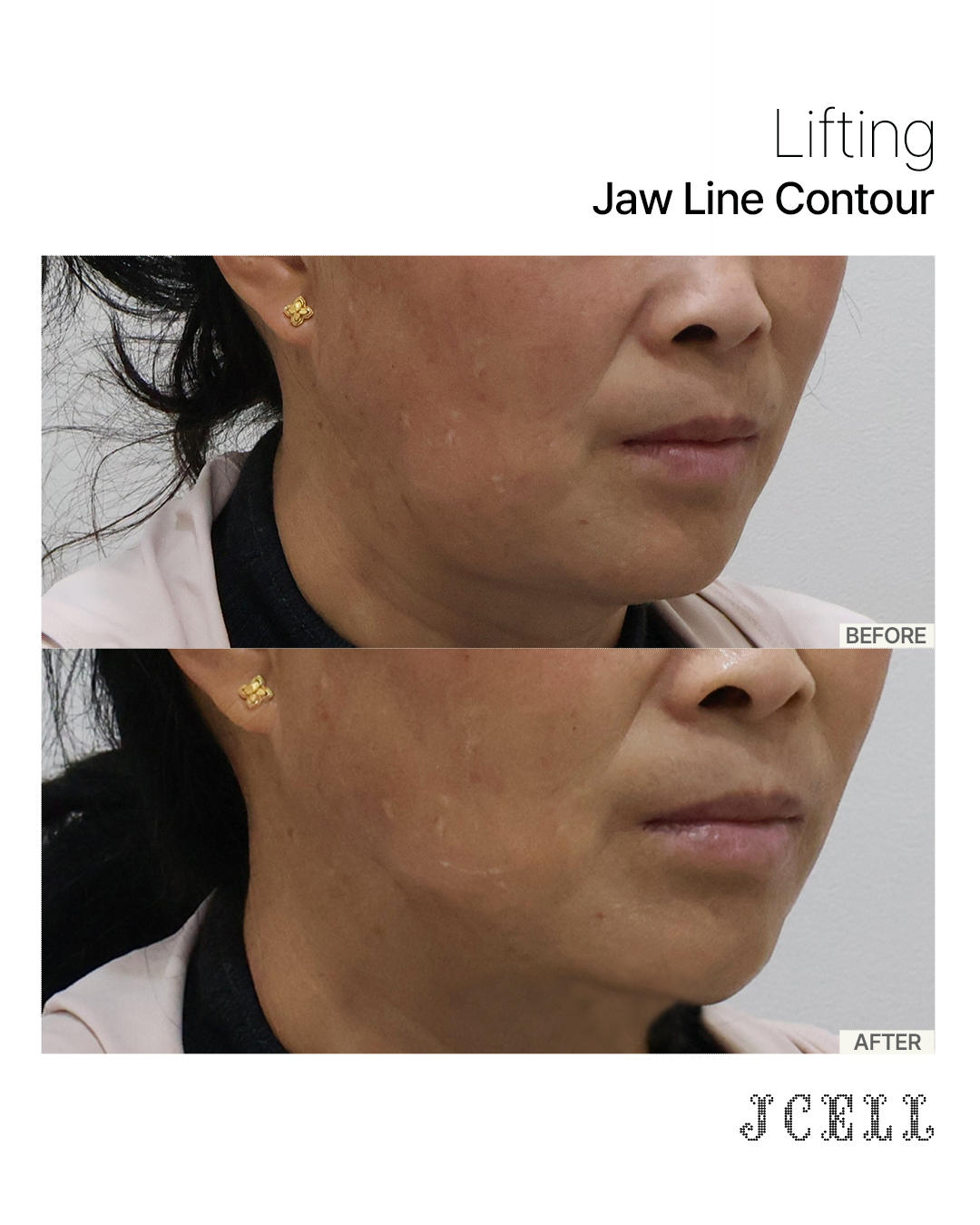
- Deep Structural Sagging (SMAS / Deep Fascia): Micro-focused Ultrasound (Ultherapy, Shurink) contracts deep tissue layers to reset facial contours.
- Mid-Dermal Laxity & Fine Wrinkles (Mid-Dermis): Monopolar Radiofrequency (Thermage FLX, Oligio) delivers uniform heating to trigger neocollagenesis.
- Structural Volume Loss (Sub-Dermal Plane): Injectable Biostimulators (Sculptra, Juvelook Volume) restore lost facial volume naturally via PLLA or PDLLA scaffolding.
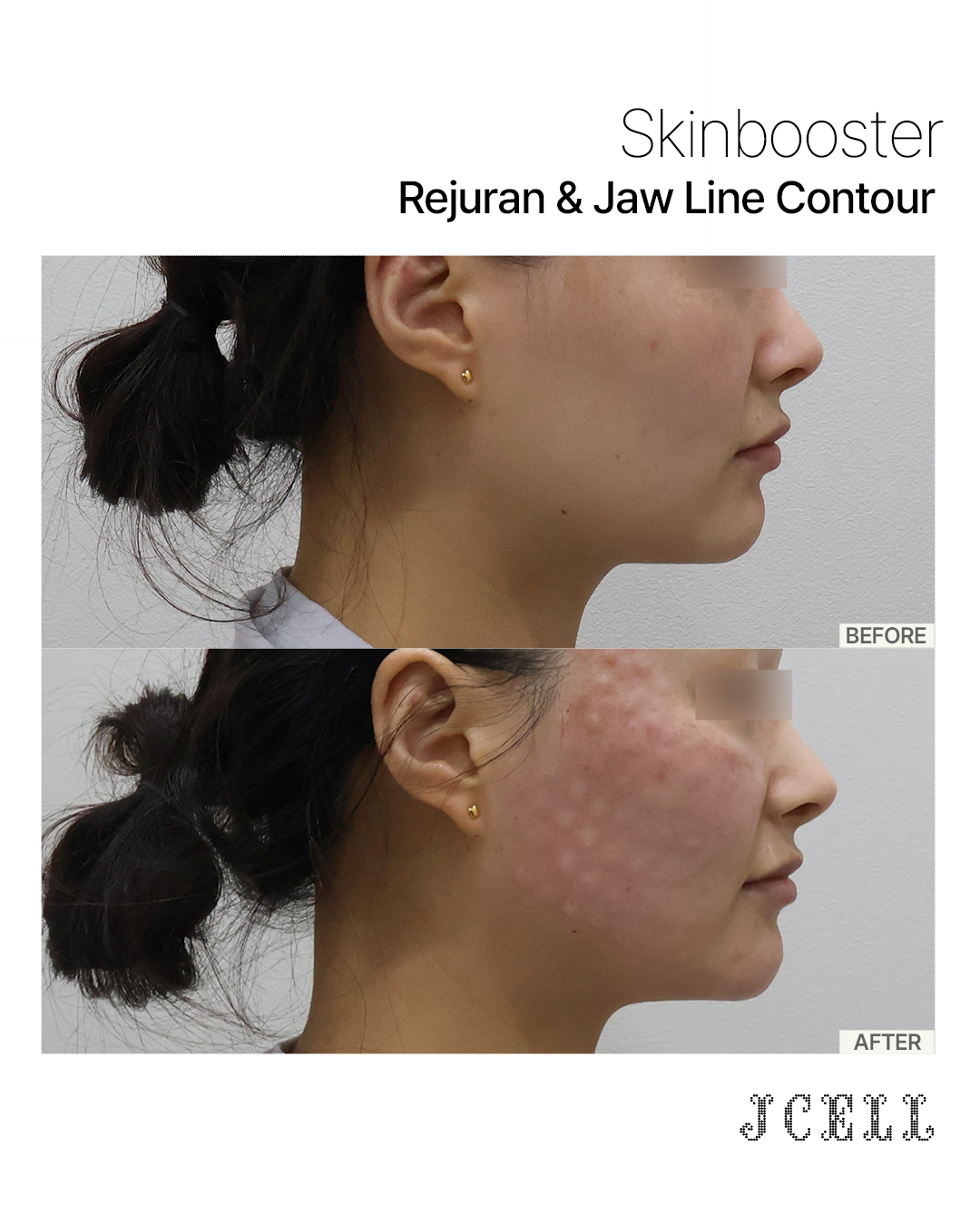
- Dermal Thinning & Dehydration (Upper Dermis): Polynucleotides (Rejuran Healer) or Exosomes repair the extracellular matrix and quench chronic micro-inflammation.
- Surface Texture & Acne Scars (Epidermis / Dermis): RF Microneedling (Potenza) paired with cellular boosters refines skin surface and tightens pore structure.
Step 3: Phased Treatment Execution
An effective anti-aging strategy is executed in strategic phases rather than overwhelming the skin in a single visit:
- Phase 1 - Foundation & Lifting (Months 1–2): Focus on deep structural contraction using energy-based devices (HIFU or RF) to reset facial contours.
- Phase 2 - Matrix Biostimulation (Months 2–4): Administer injectable biostimulants (PDLLA or PLLA) to rebuild lost collagen density and replenish volume naturally.
- Phase 3 - Cellular Regeneration & Refinement (Months 4–6): Utilize polynucleotides, exosomes, or RF microneedling to refine surface texture, boost hydration, and calm tissue stress.
- Phase 4 - Maintenance Protocols (Annual): Schedule targeted maintenance sessions every 10–12 months to preserve newly synthesized collagen and protect against exposome damage.
The Role of Daily Exposome Defense
In-clinic procedures build structural reserves, but daily habit maintenance preserves them. A personalized plan requires strict daily care:
- 365-Day Photoprotection: Daily broad-spectrum SPF 50+ prevents UV rays from activating matrix metalloproteinases (MMPs) that break down fresh collagen.
- Topical Retinoids & Antioxidants: Incorporating Vitamin C in the morning and retinoids at night accelerates epidermal cell turnover and quenches free radicals.
- Glycation Control: Minimizing refined sugars reduces Advanced Glycation End-Products (AGEs) that cause collagen fibers to turn rigid and brittle.
Final Thoughts
Creating a personalized anti-aging plan shifts the focus from temporary cosmetic fixes to sustainable, long-term skin health. By combining precise diagnostic mapping, multi-depth clinical modalities, and diligent home maintenance, you can effectively lower your biological skin age and maintain a naturally firm, dense, and youthful complexion.