Why Combination Therapy Produces Better Results
While single-device aesthetic treatments often target only one specific symptom or tissue layer, modern regenerative dermatology relies on combination therapy—the strategic pairing of complementary treatment modalities. Facial aging is a multi-factorial process involving epidermal thinning, loss of dermal elasticity, deep structural volume loss, and cellular slowing. By targeting multiple biological pathways simultaneously, multi-modal protocols deliver superior, natural-looking, and longer-lasting aesthetic outcomes than standalone procedures.
1. Multi-Layer Anatomical Targeting
Facial aging does not occur in a single plane; it affects the skin from the surface down to the deep structural framework. Combination therapies treat every layer of tissue in a single cohesive plan:
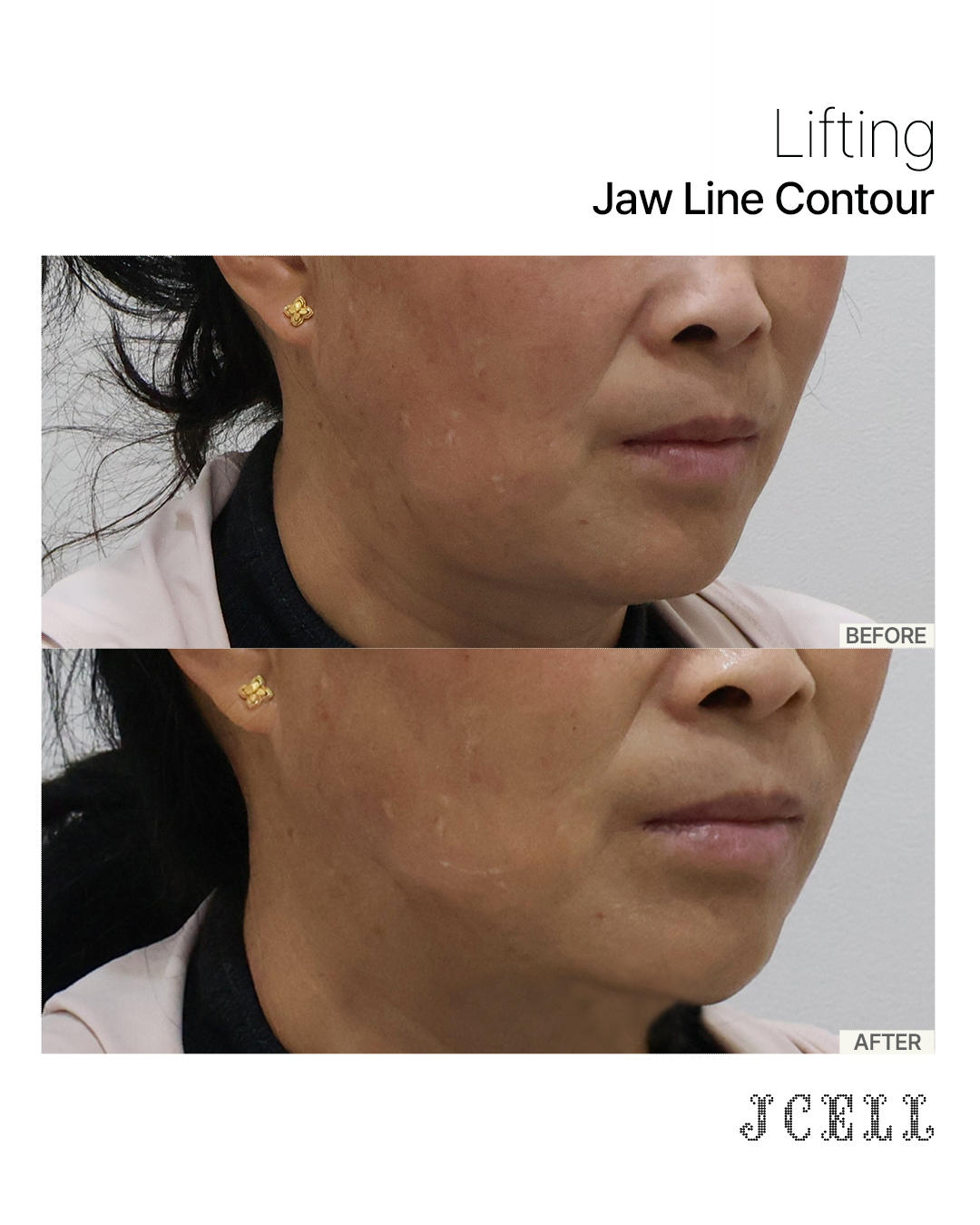
- SMAS & Deep Sub-Dermal Layer: Focused energy devices (such as Ultherapy HIFU) contract deep muscular vectors to redefine jawlines and correct structural sagging.
- Mid-to-Deep Dermis: Monopolar radiofrequency (Thermage FLX) or biostimulators (Sculptra, Juvelook) restore mechanical tension, triggering long-term Type I collagen synthesis.
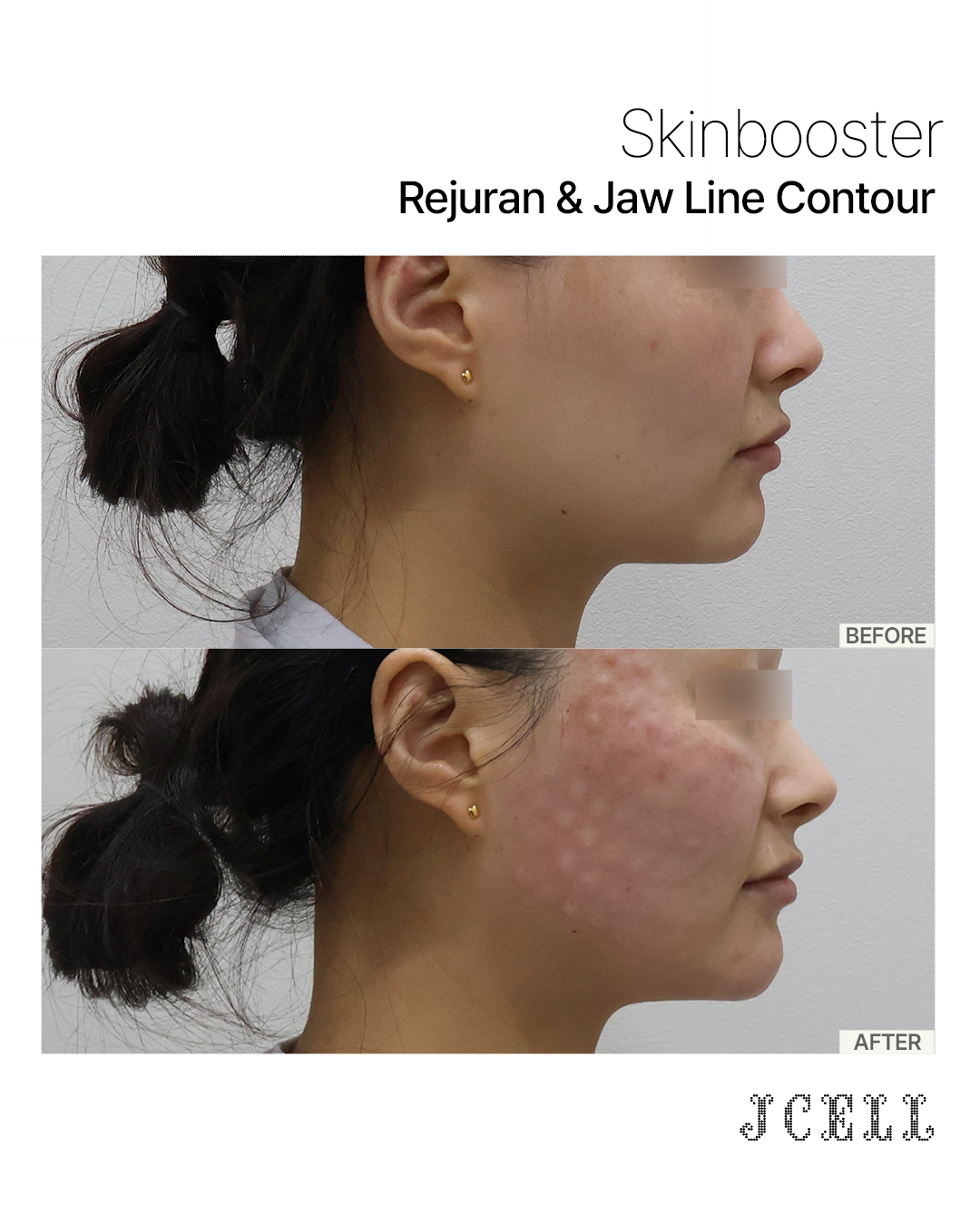
- Upper Dermis & ECM: Polynucleotides (Rejuran Healer) or exosomes repair damaged tissue environments, quench chronic micro-inflammation ("inflammaging"), and restore hydration.
- Epidermis: Light therapies, gentle peels, or fractional lasers refine surface texture, clear pigmentation, and speed up cellular turnover.
2. True Biological Synergy
When properly orchestrated, combining two distinct modalities creates a total biological effect greater than the sum of its parts:
- Physical Stimulus + Biological Signaling: Energy-based devices (RF or ultrasound) provide a thermal or mechanical wound-healing stimulus that recruits repair cells. Applying biologicals like exosomes or polynucleotides immediately afterward supplies host cells with the exact growth factors and microRNAs needed to synthesize high-density collagen rapidly.
- Overcoming Biological Limitations: Single energy devices rely entirely on your body's existing cellular capacity to produce new collagen. Introducing cellular repair agents optimizes the extracellular matrix environment, ensuring sluggish or aging cells respond efficiently to thermal energy.
3. Accelerated Recovery & Reduced Downtime
Combining high-energy devices with anti-inflammatory biological agents drastically speeds up post-treatment healing:
- Soothing Post-Procedure Inflammation: Treatments like microneedling or fractional lasers create acute tissue stress. Topically applying exosomes or polynucleotides immediately afterward calms redness, reduces swelling, and switches tissue from a breakdown state to an active repair phase.
- Parallel Healing: Stacking procedures into a single session consolidates recovery time. Patients recover from thermal stimulation and injectable biostimulation simultaneously, minimizing total clinical downtime.
4. Extended Result Longevity
Single treatments often provide short-term tightening or surface hydration that gradually fades as cellular turnover continues. Combination approaches build lasting structural density:
- Sustained Neocollagenesis: Pairing immediate collagen-contracting energy devices with slow-release biostimulants (like PLLA or PDLLA micro-particles) ensures continuous collagen production for 12 to 24 months.
- Preventing Rapid Relapse: Addressing deep structural volume loss while simultaneously strengthening the epidermal barrier prevents premature tissue collapse, ensuring skin remains resilient against environmental stress.
Final Thoughts
Combination therapy represents the natural evolution of anti-aging medicine. By moving away from single-modality fixes and adopting multi-depth protocols that combine physical energy, biostimulatory scaffolding, and cellular signaling, you can lower biological skin age, rebuild lost dermal density, and achieve a naturally firm, radiant, and youthful complexion.