Exosomes vs Rejuran
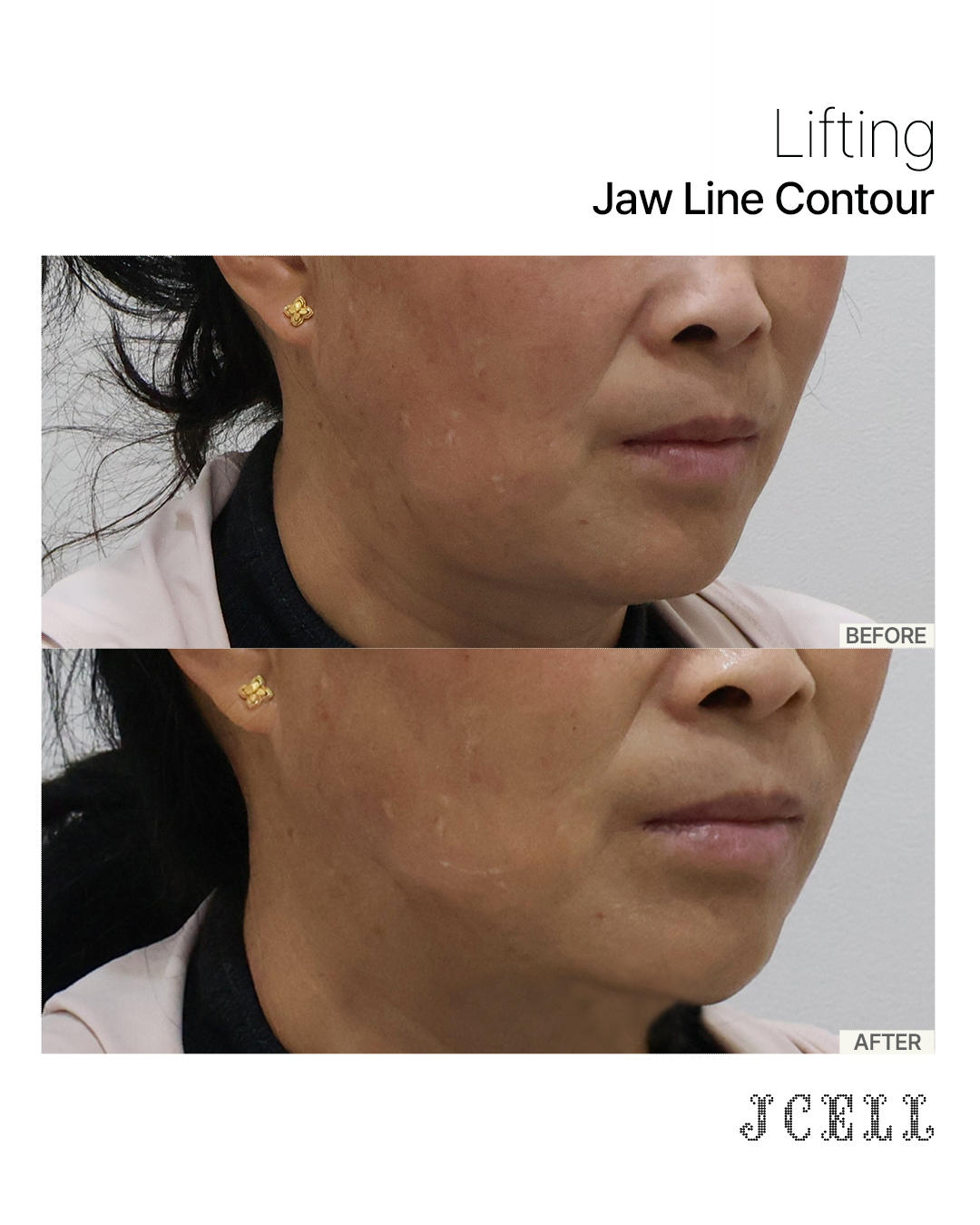
When exploring advanced regenerative skin boosters in South Korea, Exosome Therapy and Rejuran Healer top the list at virtually every aesthetic clinic in Seoul. Both treatments promise deeper cellular repair, collagen synthesis, and anti-aging benefits without traditional surgical intervention. However, they rely on fundamentally different biological mechanisms, address distinct skin concerns, and deliver varying speed of results.
Core Difference: Mechanism & Purpose
The key distinction between Exosomes and Rejuran lies in how they stimulate your skin cells to recover and rebuild:
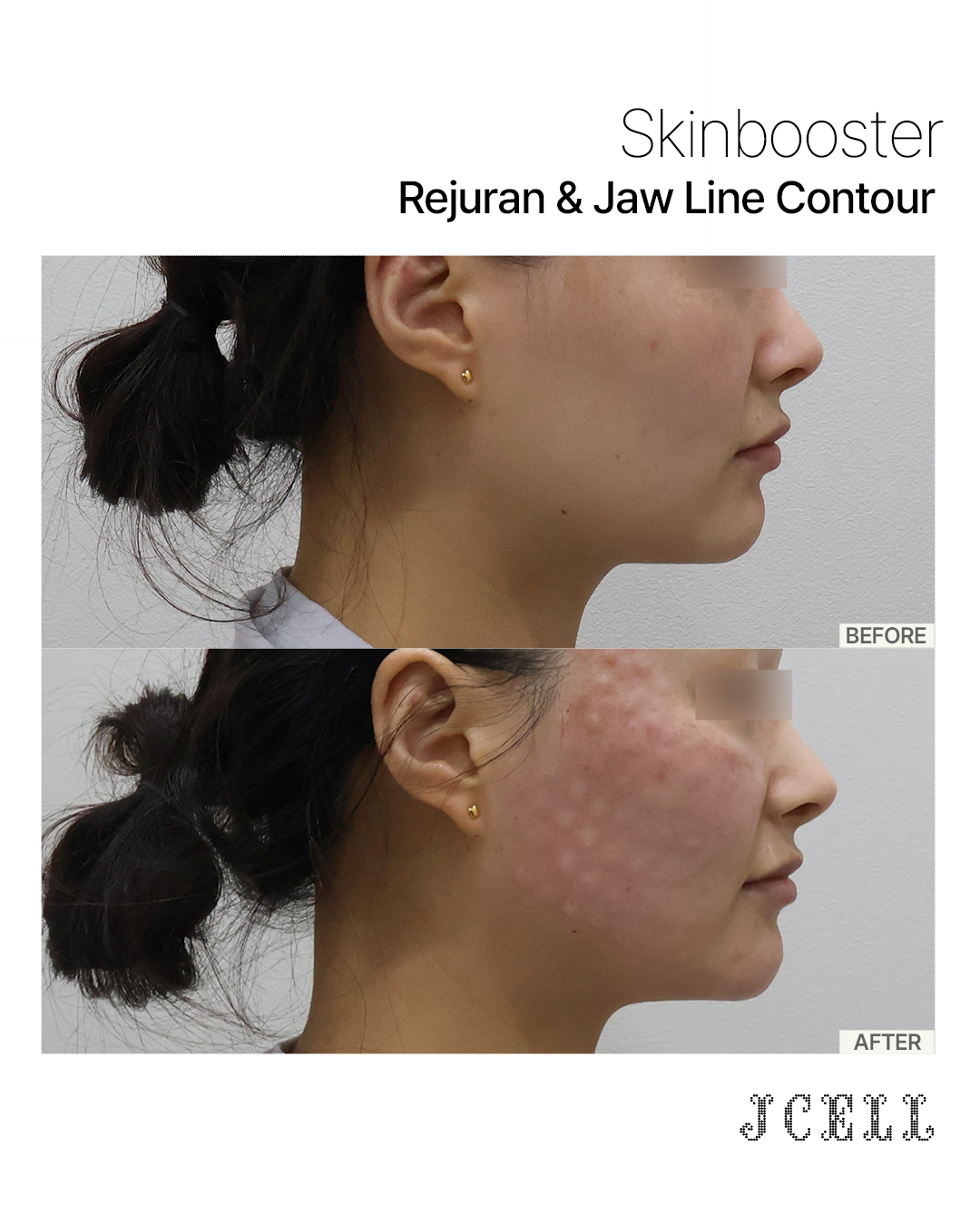
- Rejuran Healer (Repair & Rebuild): Uses Polynucleotides (PN) extracted from wild salmon DNA. Rejuran acts as a structural building block for the dermis, physically repairing damaged tissue, strengthening compromised skin barriers, and thickening thin, fragile skin.
- Exosome Therapy (Regenerate & Reprogram): Uses extracellular vesicles derived from purified stem cells. Exosomes function as biological messenger particles loaded with growth factors and microRNAs that signal sluggish skin cells to reactivate, accelerate healing, and boost overall cellular communication.
Exosomes vs. Rejuran: Key Comparison
- Primary Ingredient:
- Rejuran Healer: Polynucleotides (PN / Salmon DNA)
- Exosome Therapy: Stem Cell-Derived Vesicles & Growth Factors
- Main Function:
- Rejuran Healer: Structural repair & barrier strengthening
- Exosome Therapy: Cellular signaling, regeneration & anti-inflammation
- Speed of Results:
- Rejuran Healer: Gradual (2 to 4 weeks for tissue repair)
- Exosome Therapy: Fast (visible glow & soothing in 3 to 7 days)
- Delivery Method:
- Rejuran Healer: Direct intradermal injection (e.g., Rejuran HB/Healer)
- Exosome Therapy: Transdermal infusion via RF Microneedling or Laser
- Pain Level:
- Rejuran Healer: Moderate to high (injection sting)
- Exosome Therapy: Mild (topical application post-channeling)
- Best For:
- Rejuran Healer: Thin, sensitive, dry, or barrier-damaged skin
- Exosome Therapy: Acne scars, active inflammation, dullness, post-laser care
What Is Rejuran Healer Best For?
Rejuran Healer is widely recognized as the gold-standard treatment for restoring damaged skin structure and improving overall resilience.
- Barrier Repair: Restores thin, compromised, or sensitive skin caused by over-exfoliation or harsh environmental stressors.
- Deep Hydration & Density: Boosts natural water retention while gradually thickening the dermal layer.
- Fine Lines & Early Aging: Fills in fine creases and restores elasticity around delicate areas like the eyes (Rejuran i) or neck.
- Long-Term Skin Health: Works as a long-term foundational treatment that builds stronger, healthier skin over time.
What Is Exosome Therapy Best For?
Exosomes excel at rapidly calming skin, reducing active inflammation, and boosting brightness at a cellular level.
- Rapid Glow & Texture Reset: Delivers a noticeable radiance and smoothing effect within days of treatment.
- Acne Scars & Inflammation: Reduces persistent redness, calms active breakouts, and stimulates scar tissue remodeling.
- Post-Procedure Recovery: Dramatically accelerates healing when applied immediately after fractional lasers, RF microneedling, or chemical peels.
- Pore & Tone Refinement: Tightens lax pores and evens out skin discoloration by balancing cellular activity.
The Treatment Process & Downtime
Both procedures are performed as quick outpatient sessions lasting 60 to 90 minutes, including topical numbing.
- Rejuran Procedure: Administered via manual micro-injections directly into the dermis. Expect small, visible bumps ("embossing") on the skin that typically subside within 24 to 48 hours.
- Exosome Procedure: Delivered after creating micro-channels using devices like Potenza RF microneedling or automated MTS. Because exosomes are topical, there are no injection bump risks, though mild redness from microneedling may last 12 to 24 hours.
Estimated Cost Comparison in Seoul
Pricing in South Korea remains highly competitive compared to Western clinics:
- Rejuran Healer (2cc - Full Face): Approximately ₩300,000 to ₩600,000 KRW ($220 – $440 USD) per session.
- Exosome Infusion (with Microneedling/MTS): Approximately ₩350,000 to ₩700,000 KRW ($260 – $520 USD) per session.
- Combined Synergy Protocol (Rejuran + Exosome): Approximately ₩600,000 to ₩1,100,000 KRW ($440 – $810 USD) per session.
Which One Should You Choose?
- Choose Rejuran Healer if: Your primary concern is thin, dehydrated, or barrier-impaired skin, and you want a proven, long-term foundation builder.
- Choose Exosomes if: You need fast recovery from acne scars, active redness, or recent laser work, or want a high-impact skin reset before an event.
- The Popular Korean Combination Strategy: Many top Seoul dermatologists recommend combining both—using Rejuran to rebuild the deep dermal structure and layering Exosomes to accelerate surface healing and maximize skin radiance.
Final Thoughts
Deciding between Exosomes and Rejuran Healer comes down to your primary skin concerns and aesthetic goals. Rejuran provides essential, deep structural repair for fragile or compromised skin, while Exosomes deliver fast-acting cellular signals that calm inflammation and restore radiance. For international travelers looking to achieve maximum skin rejuvenation during their stay in South Korea, combining both treatments offers a powerful, comprehensive anti-aging strategy.