The Future of Regenerative Skin Therapy
Aesthetic dermatology is undergoing a major paradigm shift. The focus has moved away from temporary volume expansion and artificial freezing toward biological cellular repair and long-term skin longevity. Modern patients no longer want to hide aging under heavy dermal fillers; they want to reprogram their skin to act, heal, and look biologically younger. Driven by medical innovation in South Korea and worldwide, regenerative skin therapy uses advanced cell-signaling molecules, biological scaffolds, and targeted biostimulators to restore structural integrity at a microscopic level.
1. The Shift from Cosmetic Masking to Biological Aging Reversal
Traditional cosmetic procedures primarily address surface symptoms by filling creases or paralyzing expression muscles. Regenerative dermatology focuses on changing how skin cells behave over time:
- Cellular Signaling over Filling: Instead of placing synthetic gel under wrinkles, treatments deliver bioactive messengers that instruct sluggish fibroblasts to synthesize fresh Type I and Type III collagen.
- Skin Longevity & Barrier Resilience: Rather than aggressive peeling that strips the outer layer, regenerative protocols rebuild dermal thickness, increase skin density, and repair compromised barrier function.
- Natural, Age-Graceful Outcomes: Because improvements occur gradually through your body’s natural tissue renewal, final results look entirely authentic without unnatural stiffness or volume distortion.
2. Key Pillars Shaping Next-Generation Regenerative Aesthetics
The future of skin rejuvenation is defined by four core biological modalities that work in harmony with your body’s natural healing cascade:
- Exosome Therapy (Nanofluid Cell Signaling): Extracellular vesicles isolated from purified stem cells carry thousands of growth factors, lipids, and messenger RNAs. They act as molecular dispatchers, signaling damaged skin cells to suppress inflammation and accelerate tissue recovery.
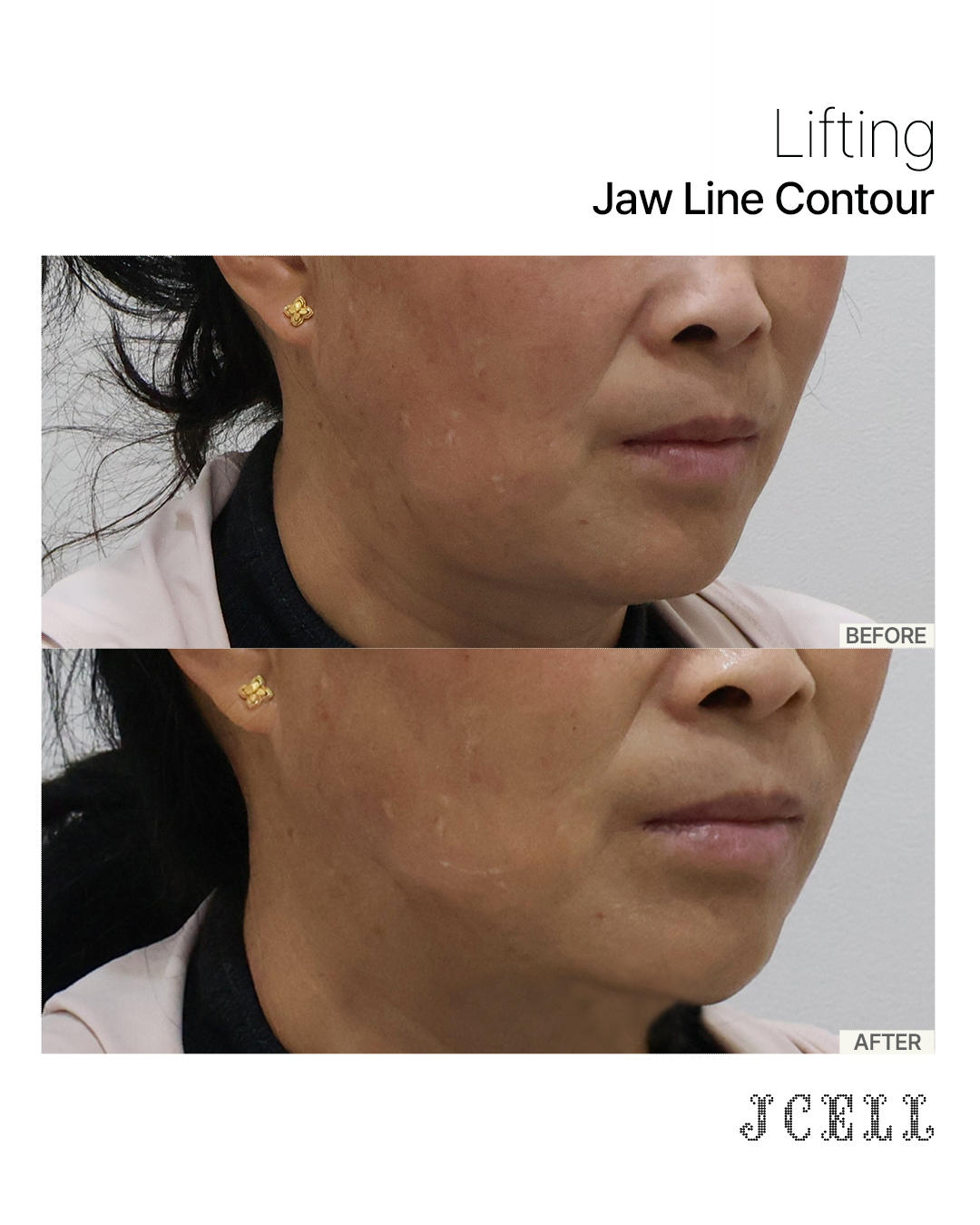
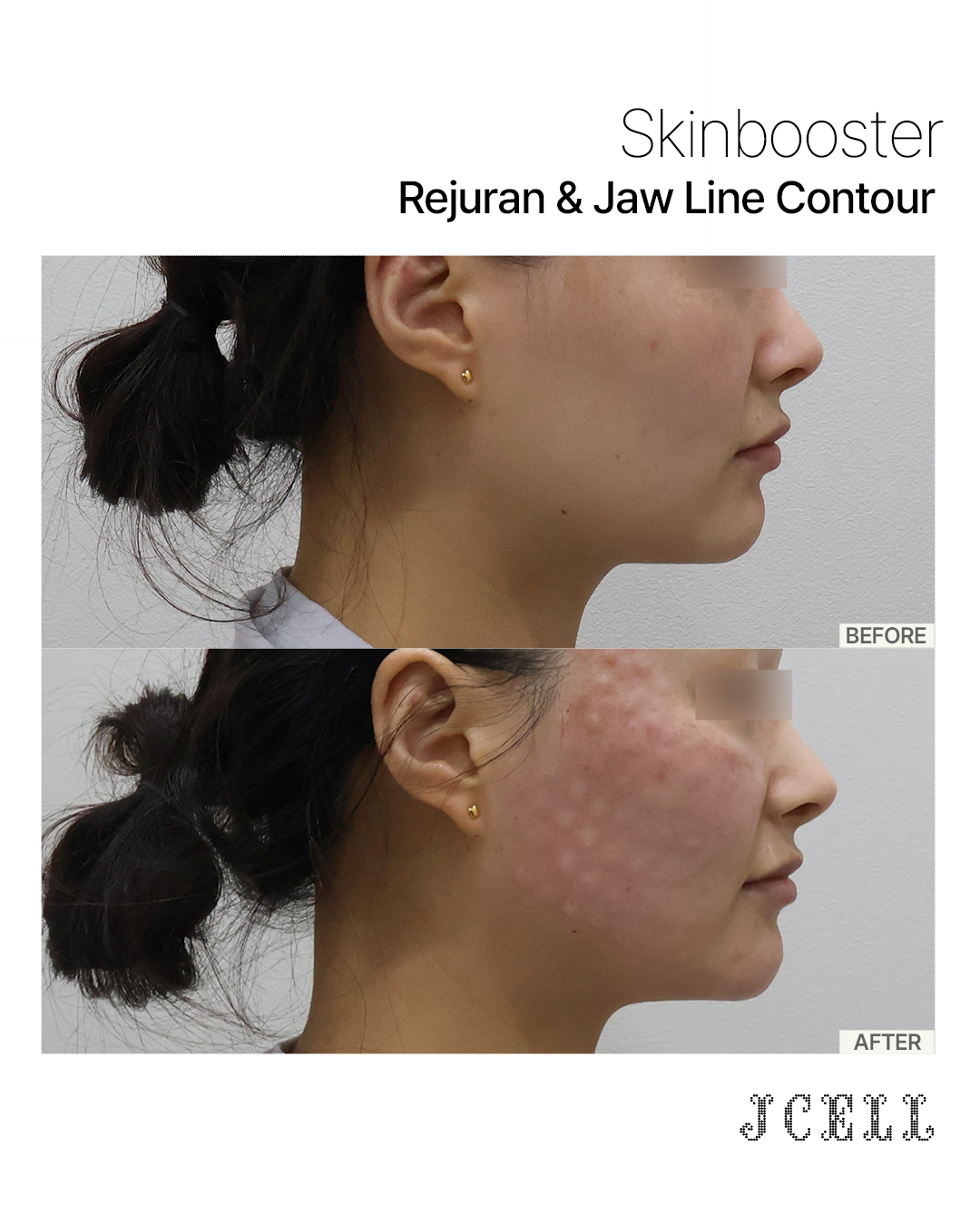
- Polynucleotides (PN) & Bio-Restorative Fillers: Derived from biocompatible DNA fragments (such as salmon DNA in Rejuran), PNs physically repair damaged extracellular matrices, improve skin microvascularity, and promote tissue regeneration in delicate areas.
- Hybrid Biostimulators (PLA & PLLA): Micro-particle boosters like Juvelook and Sculptra induce a controlled micro-inflammatory response that stimulates continuous collagen growth for up to two years.
- Autologous Cellular Concentrates: Advanced iterations of platelet-rich fibrin (PRF) leverage your body's own concentrated growth factors to revitalize dull skin, treat under-eye hollows, and promote natural hair growth.
3. Advanced Delivery Technologies & Synergistic Protocols
In modern clinical practice, single-treatment plans are rapidly being replaced by multi-layered combination protocols designed for maximum biological activation:
- RF Microneedling Integration: Combining Radiofrequency microneedling (such as Potenza) with immediate post-channeling exosome infusion allows signaling molecules to penetrate directly into the deep dermal layer.
- Laser-Assisted Drug Delivery (LADD): Using gentle fractional picosecond lasers to create microscopic channel zones opens pathways for high-potency skin boosters without invasive needle punctures.
- Biostimulator + Skin Booster Layering: Practitioners inject structural biostimulators into deeper tissue layers for overall firmness while simultaneously infusing superficial skin boosters to refine pore size, hydration, and tone.
4. What This Means for Patients and Medical Tourists
As South Korea continues to serve as a global epicenter for advanced aesthetic innovation, patient care protocols have evolved significantly:
- Drastically Reduced Downtime: Nano-purified formulations and non-invasive channeling technologies mean patients can achieve profound cellular rejuvenation with minimal redness or swelling.
- Customized Biomarker Treatments: Modern aesthetic clinics utilize detailed 3D skin imaging and diagnostic elasticity mapping to curate personalized skin booster combinations tailored to specific biological needs.
- Preventive Regeneration for Younger Demographics: Younger patients are adopting light regenerative therapies in their late 20s and 30s to preserve existing collagen banks and delay structural skin degradation before deep wrinkles form.
Final Thoughts
The future of skin therapy lies in empowering the body to repair itself from within. By shifting the clinical goal from artificial correction to genuine biological renewal, regenerative dermatology offers a sustainable, natural, and highly effective approach to aging well. As biostimulators, exosomes, and cellular signaling technologies continue to evolve, achieving healthy, resilient, and youthful skin is no longer about reversing time—it is about restoring cellular health.