Exosomes vs Stem Cells
As regenerative aesthetics advances, Stem Cells and Exosomes have become two of the most popular topics in modern dermatology. While both treatments harness cellular biology to repair aging skin, improve elasticity, and restore a youthful glow, they function through distinctly different biological mechanisms. Understanding how exosomes compare to living stem cells helps international medical travelers choose the right approach for their specific anti-aging goals.
What Are Exosomes vs. Stem Cells?
The core difference between these two therapies comes down to living cells versus cellular messengers.
- Stem Cells: Living, versatile master cells capable of self-renewal and tissue repair. In clinical dermatology, stem cells are typically harvested from your own fat (adipose tissue) or blood. Once introduced into the skin, living stem cells rebuild lost tissue structure and continuously secrete growth factors over an extended period.
- Exosomes: Non-living, microscopic nanoparticles (extracellular vesicles) secreted by stem cells. Exosomes do not contain live cells; instead, they carry concentrated packages of growth factors, cytokines, peptides, and genetic signaling molecules. They act as "cellular messengers" that deliver immediate instructions to your existing skin cells to accelerate repair, synthesis of collagen, and inflammation control.
While stem cells represent a comprehensive biological reset through living cell therapy, exosomes offer a pure, cell-free messenger treatment that can be easily combined with microneedling or laser resurfacing without needing a fat or blood harvesting procedure.
Key Benefits & Effects
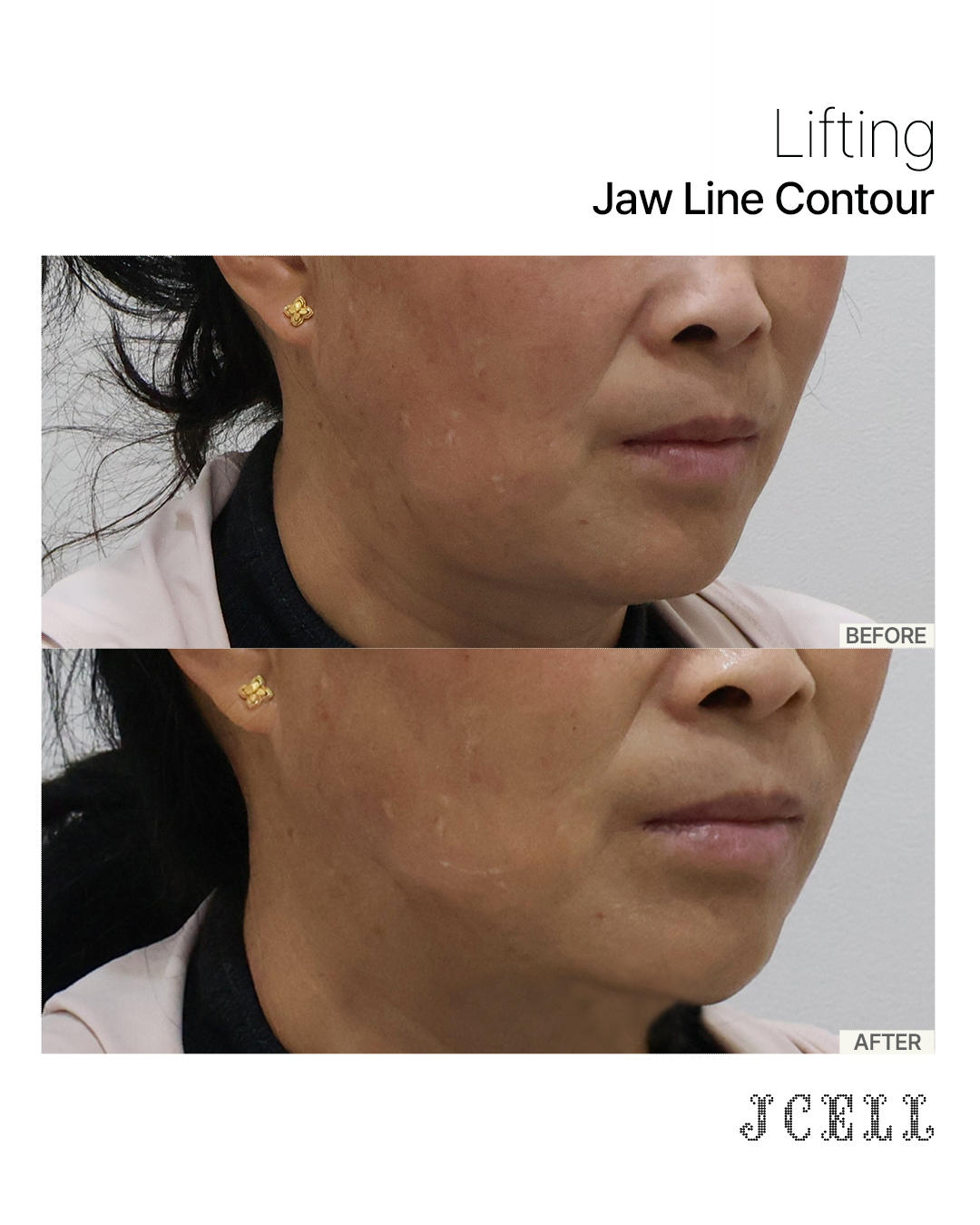
- Stem Cell Benefits: Delivers deep structural skin rebuilding, restores lost dermal density and volume, repairs severe age-related skin thinning, and continuously releases regenerative signals for long-term anti-aging.
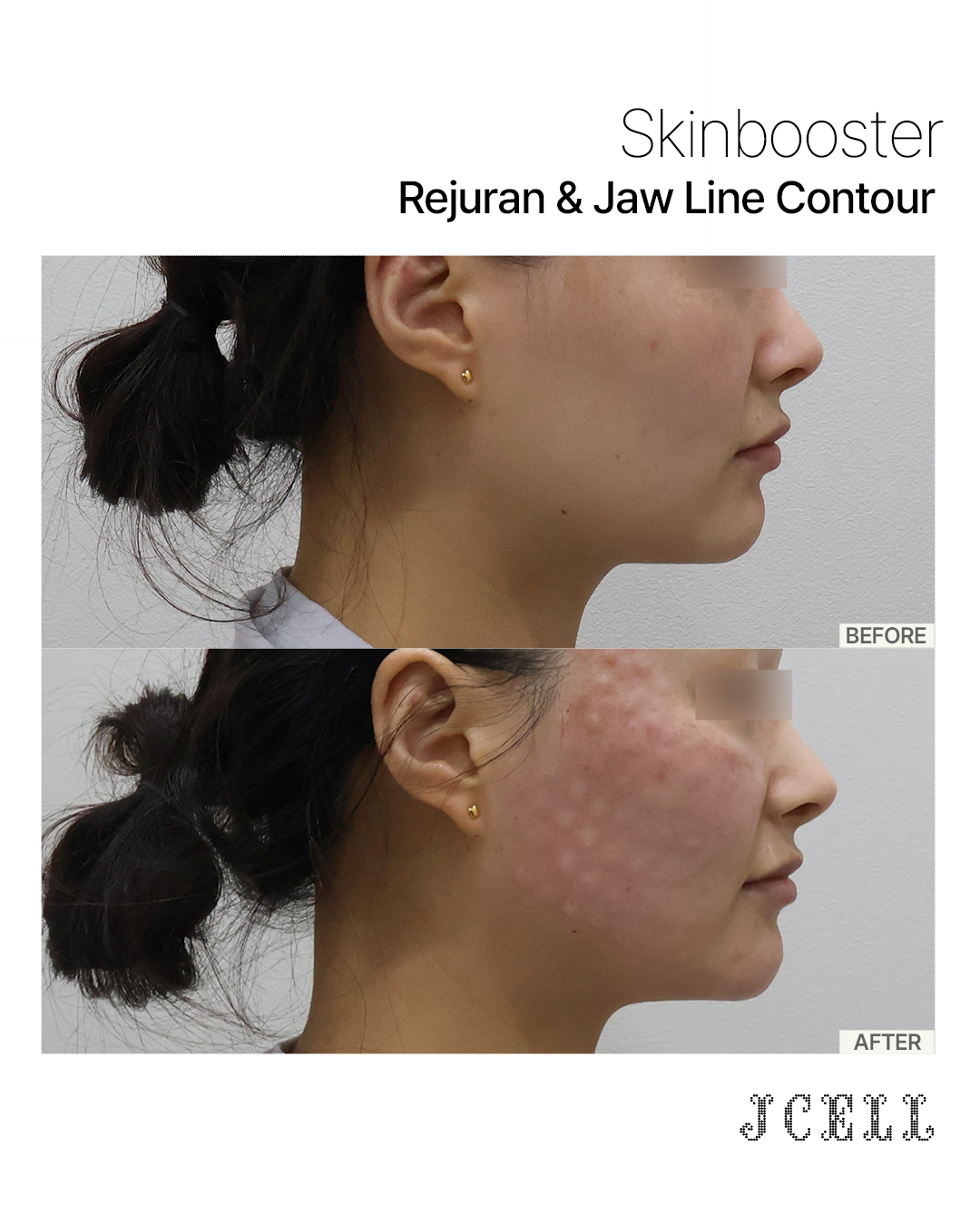
- Exosome Benefits: Rapidly calms post-procedure redness and inflammation, boosts surface radiance and hydration, accelerates collagen and elastin production, and significantly reduces downtime after laser or microneedling treatments.
- Shared Outcomes: Both therapies lead to smoother wrinkles, improved skin firmness, refined pore size, reduced hyperpigmentation, and enhanced skin barrier resilience.
The Treatment Process: Step-by-Step
A typical session takes between 1 to 3 hours, depending on whether you opt for living cell extraction or cell-free exosome delivery.
- Dermatological Consultation: A specialized physician examines your skin laxity, depth of wrinkles, and tissue thickness to determine whether living stem cells, cell-free exosomes, or a combined protocol is ideal.
- Preparation & Extraction: If choosing autologous stem cell therapy, a small blood draw or a minimal fat harvesting procedure (mini-liposuction) is performed under local numbing. If choosing exosome therapy, no extraction is required as standardized, high-purity exosome vials are prepped directly.
- Isolation & Formulation: Stem cell samples undergo high-precision laboratory centrifugation to isolate viable living cells. Exosome solutions are measured for optimal nanoparticle concentration.
- Dermal Delivery: Stem cells are typically injected into deep dermal layers using fine micro-injections or cannulas. Exosomes are applied via microneedling (MTS), micro-dermal injection, or applied directly post-laser to maximize deep absorption.
- Soothing Post-Care: Red LED light therapy and a soothing cooling mask are applied to soothe immediate redness and support initial cellular absorption.
Precautions & Post-Treatment Care
- First 24 to 48 Hours: Avoid washing your face with aggressive cleansers, applying heavy cosmetics, or engaging in strenuous workouts that induce heavy sweating.
- Consistent Sun Protection: Apply broad-spectrum SPF 50+ daily to shield newly stimulated skin cells from UV exposure while repairing.
- Avoid Heat & Alcohol: Refrain from hot saunas, steam rooms, and alcohol consumption for 1 week post-procedure to keep localized inflammation at a minimum.
- Downtime Expectations: Exosome treatments feature minimal downtime, with light redness usually resolving within 12 to 24 hours. Stem cell procedures may involve mild localized swelling or tiny pinpoint marks for 2 to 4 days.
Estimated Cost Range in Korea
Pricing reflects whether live cell extraction is needed or if standardized exosome boosters are used:
- Exosome Skin Booster Facial (Microneedling or Post-Laser): Approximately $300 to $800 USD per session
- Autologous Blood-Derived Stem Cell Treatment: Approximately $700 to $1,800 USD per session
- Fat-Derived Stem Cell (ADSC) Rejuvenation: Approximately $3,000 to $7,000 USD per session
- Combined Stem Cell + Exosome Synergy Package: Approximately $2,000 to $4,500 USD per session
Why Choose Korea for Exosome & Stem Cell Therapies?
- Pioneering Biotech Standards: South Korea is a global hub for exosome research and regenerative medicine, home to internationally recognized biotech brands and high-purity formulations.
- Strict Safety Regulations: Facilities operate under rigorous oversight from South Korea’s Ministry of Food and Drug Safety, guaranteeing strict sterile biological handling and precise laboratory isolation.
- Synergistic Combination Techniques: Dermatologists in Seoul excel at combining energy-based devices (like Potenza RF microneedling or Pico lasers) with exosome and stem cell boosters to maximize regenerative results.
- World-Class Service for Tourists: Clinics in Seoul offer multi-lingual patient coordinators, private recovery rooms, transparent pricing, and flexible appointment plans tailored to overseas travel schedules.
Final Thoughts
Deciding between exosomes and stem cells depends on your skin's structural needs, your travel timeline, and whether you prefer an immediate cell-messenger booster or deep living-cell regeneration. Stem cells provide long-term structural rebuilding from within, while exosomes offer a fast-acting, cell-free solution to ignite collagen production and speed up skin healing. For international travelers seeking elite regenerative aesthetics, South Korea’s renowned clinics in Seoul deliver unmatched biotechnology, safety, and personalized care for both therapies.