Is Stem Cell Skin Therapy Worth It?
With anti-aging dermatology shifting away from superficial cover-ups toward cellular regeneration, Stem Cell Skin Therapy has become one of the most talked-about premium aesthetic procedures worldwide. But with higher price tags than standard skin boosters or fillers, many international patients are left asking: Is stem cell skin therapy actually worth the investment?
Evaluating the Return on Investment: Biology vs. Temporary Fixes
To determine if stem cell therapy is worth it, it helps to compare its fundamental mechanism with conventional aesthetic treatments.
Traditional dermal fillers provide immediate volume by placing synthetic gel under the skin, but they degrade over 6 to 12 months without improving the skin's actual cellular health. Botox freezes muscular movement temporarily but does not repair structural collagen.
Stem cell therapy operates differently:
- Long-Term Cellular Reset: Rather than injecting temporary volume, stem cells release growth factors, cytokines, and microRNAs that reactivate your body's dormant fibroblasts. This stimulates authentic, long-term collagen and elastin synthesis.
- Cumulative Health Benefits: Instead of fading completely, the newly built dermal collagen matrix remains part of your skin structure, effectively slowing down your future rate of biological aging.
- Comprehensive Multi-Layer Repair: A single protocol targets multiple signs of aging simultaneously—including skin thinning, stubborn wrinkles, loss of elasticity, sun damage, and rough texture.
What is Stem Cell Skin Therapy?
Stem cell skin therapy is an advanced biological treatment that utilizes living autologous stem cells (extracted safely from your own blood or adipose fat tissue) or concentrated cell-free exosomes and secretomes.
Delivered directly into the dermal layers via micro-dermal injections or microneedling (MTS), these biological elements communicate with aging skin cells to trigger deep structural healing and accelerated tissue renewal.
Key Benefits & Real-World Effects
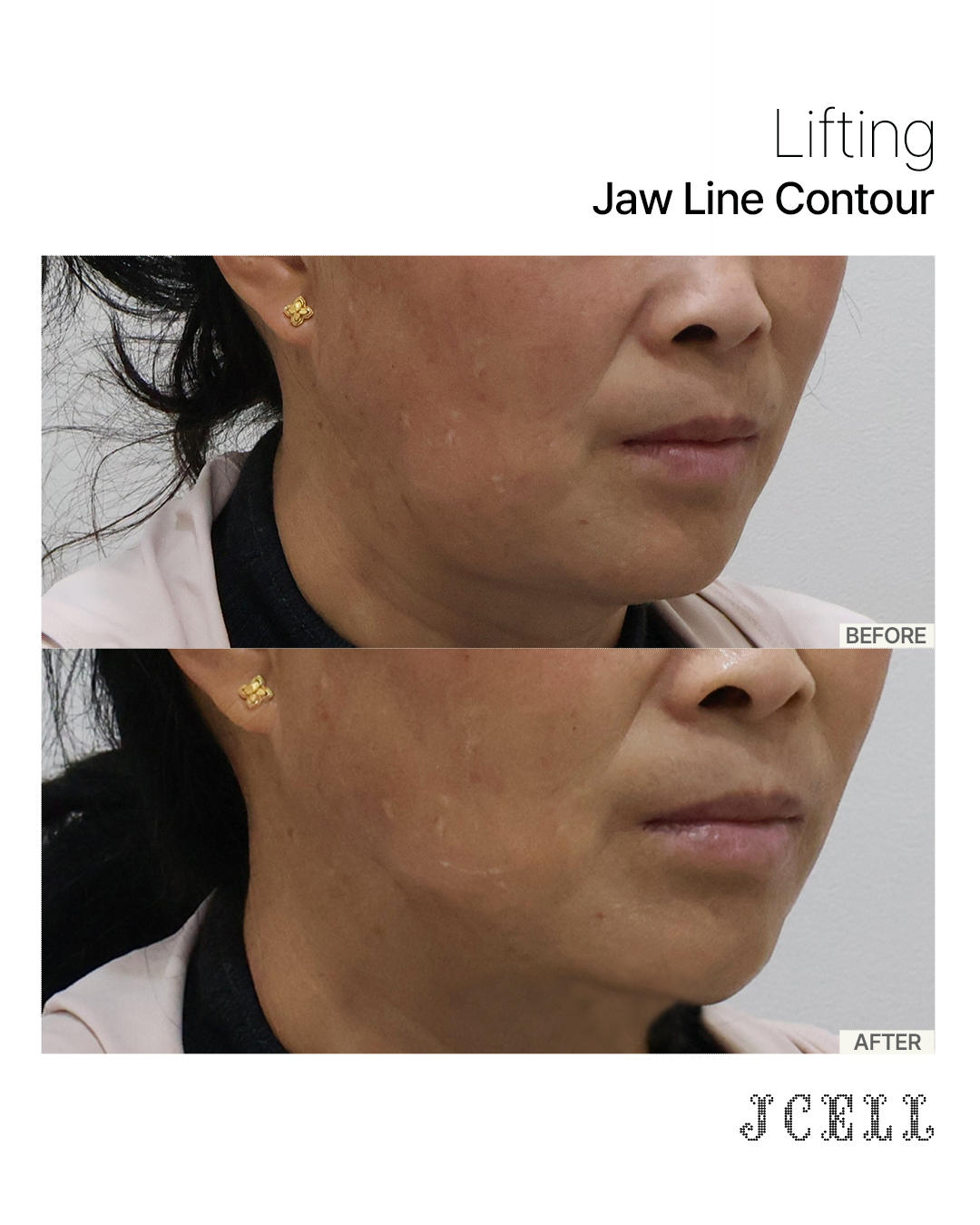
- Restored Dermal Density & Thickness: Rebuilds fragile, thinning skin into a firmer, more resilient barrier.
- Natural Wrinkle Softening: Smooths out fine lines and deeper creases from within by regenerating lost collagen structures.
- Improved Elasticity & Firmness: Restores natural skin recoil and bounce across the face, jawline, and neck.
- Refined Skin Texture & Tone: Reduces enlarged pores, age spots, and post-inflammatory hyperpigmentation for a radiant complexion.
- Long-Lasting Rejuvenation: Results develop progressively over 2 to 6 months and can persist for 1 to 3 years depending on the cell source.
The Treatment Process: Step-by-Step
The complete procedure typically takes 1.5 to 3 hours, depending on whether blood-derived cells, fat-derived cells, or exosomes are selected.
- Expert Consultation & Customization: A dermatologist evaluates your skin laxity, depth of aging, and personal goals to determine the optimal cell source and delivery strategy.
- Sample Harvest: A minimal blood sample or a small fat sample (via gentle mini-liposuction) is collected under local anesthesia or numbing cream.
- Laboratory Processing: High-precision centrifuges isolate concentrated, highly viable stem cells and active growth factor secretomes.
- Micro-Dermal Delivery: The active biological concentrate is injected into target facial zones using ultra-fine micro-injections or microneedling (MTS).
- Soothing Post-Care: A cooling sheet mask paired with red LED light therapy is applied to calm the skin and support optimal cellular uptake.
Precautions & Post-Treatment Care
- First 24 to 48 Hours: Avoid wearing heavy makeup, washing your face with aggressive cleansers, or participating in intense workouts that cause heavy sweating.
- Consistent Sun Protection: Apply broad-spectrum SPF 50+ daily to protect newly regenerating skin cells from UV exposure during recovery.
- Avoid Heat & Alcohol: Refrain from hot saunas, steam rooms, and alcohol consumption for 1 week post-procedure to keep swelling and inflammation to a minimum.
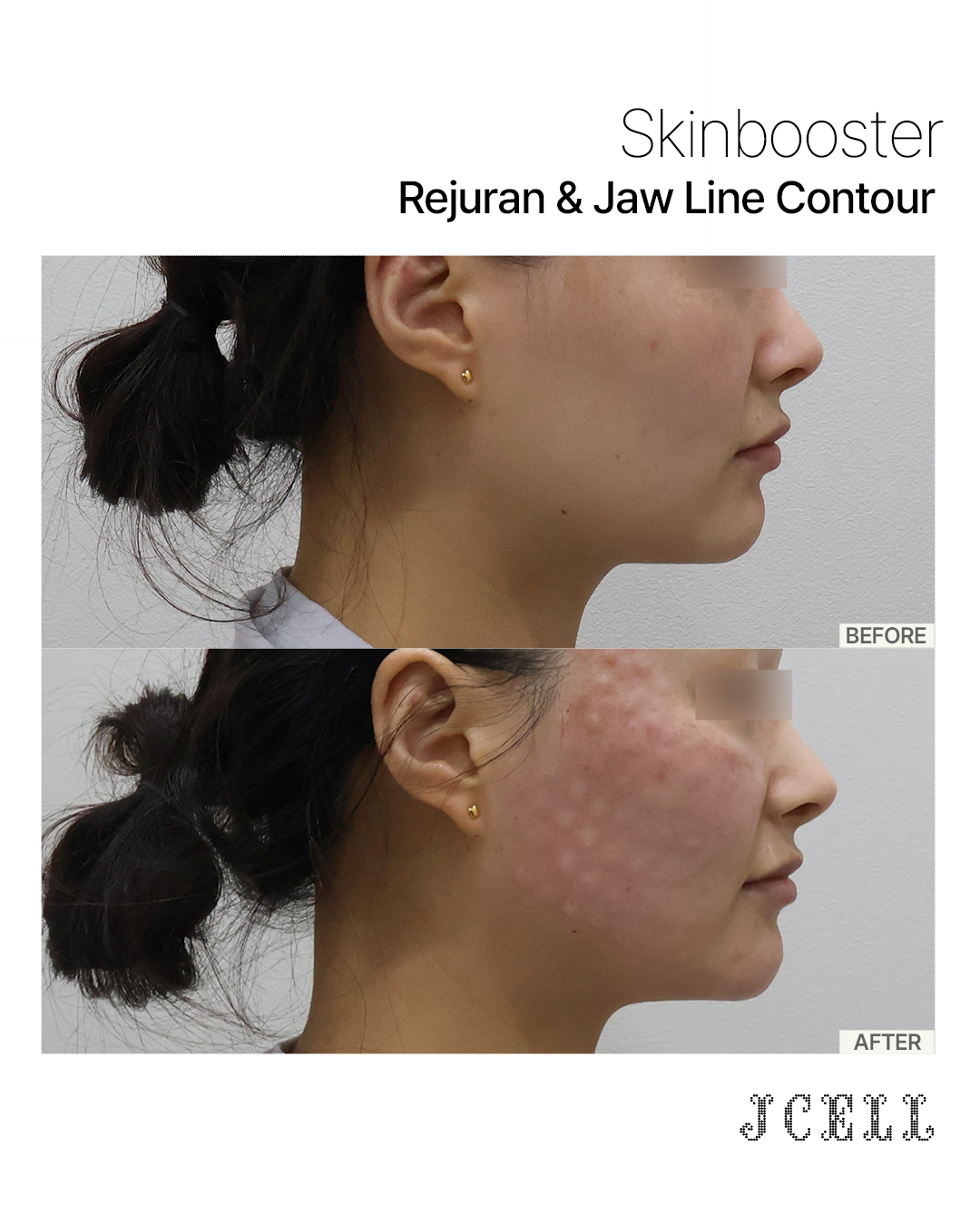
- Downtime Expectations: Light redness, minor swelling, or tiny pinpoint injection marks typically resolve within 2 to 4 days, allowing most international travelers to resume normal activities right away.
Estimated Cost Range in Korea
While premium regenerative procedures carry higher initial costs, their extended longevity often makes them cost-effective over time compared to frequent short-term maintenance appointments:
- Blood-Derived Stem Cell Facial: Approximately $700 to $1,800 USD per session
- Fat-Derived Stem Cell (ADSC) Rejuvenation: Approximately $3,000 to $7,000 USD per session
- Stem Cell + RF Microneedling Synergy Package: Approximately $2,000 to $4,500 USD per session
Why Choose Korea for Stem Cell Therapy?
- Strict Safety & Quality Standards: South Korea’s Ministry of Food and Drug Safety enforces strict regulatory oversight on biological cell separation and laboratory processing ethics.
- Cutting-Edge Cell Viability Tech: Top Seoul clinics utilize state-of-the-art closed-system centrifuges to maximize living cell counts and growth factor yields.
- Synergistic Combination Protocols: Korean dermatologists excel at combining stem cell injections with energy devices (like RF microneedling or Pico lasers) for compounded, superior anti-aging outcomes.
- Exceptional Global Value: International medical tourists access world-class regenerative procedures in Seoul at a fraction of Western prices, complete with multi-lingual patient coordinators and dedicated post-care support.
Final Thoughts
Is stem cell skin therapy worth it? If you are looking for a temporary instant quick-fix, traditional fillers may suffice. However, if your goal is long-term biological rejuvenation, authentic collagen restoration, and slowing down the natural aging process from the inside out, stem cell therapy offers unmatched scientific value. For international patients seeking elite-level regenerative care with minimal travel downtime, booking a personalized stem cell consultation in South Korea is a powerful investment in long-term skin health.