Inflammaging: The Hidden Cause of Aging
Aging is no longer viewed simply as a passage of time, but as a complex biological breakdown driven by chronic, low-grade cellular inflammation. Clinically termed inflammaging, this silent, systemic process operates beneath the surface without causing visible swelling or redness, gradually destroying dermal architecture and accelerating overall tissue decline.
Understanding the root causes of inflammaging reveals why soothing cellular stress is essential for maintaining skin density, elasticity, and long-term dermal health.
What Is Inflammaging?
Inflammaging refers to the persistent, sterile, low-level inflammation that develops as the immune system matures and becomes less efficient over time.
- Acute vs. Chronic Inflammation: Unlike acute inflammation—a helpful short-term immune response that heals wounds or fights infections—inflammaging never turns off. It acts like a constant, low-level burn within tissue.
- Asymptomatic Breakdown: Because it creates no obvious pain or swelling on the surface, inflammaging quietly degrades structural proteins, cell membranes, and extracellular matrix (ECM) integrity over years.
The Cellular Drivers of Dermal Inflammaging
Inflammaging is fueled by several interconnected cellular stress factors that disrupt normal skin function:
- Accumulation of Senescent "Zombie" Cells: Aging cells that stop dividing fail to clear out naturally. Instead, they linger in the dermis and secrete a toxic mix of pro-inflammatory cytokines, chemokines, and matrix-degrading enzymes known as the SASP (Senescence-Associated Secretory Phenotype).
- Overactive Matrix Metalloproteinases (MMPs): Persistent SASP signals trigger the overproduction of MMP enzymes (such as MMP-1 collagenase). These destructive enzymes chop up healthy Type I and Type III collagen fibers faster than fibroblasts can replace them.
- Mitochondrial Dysfunction & ROS: Compromised cell mitochondria leak Reactive Oxygen Species (ROS), creating oxidative stress that damages mitochondrial DNA and triggers further inflammatory pathways.
- Exposome Stressors: Daily exposure to ultraviolet radiation, fine dust pollution, chronic psychological stress, and high-glycemic diets continuously feeds the inflammatory cycle.
Visible Impacts on Skin Density and Appearance
As inflammaging breaks down the extracellular matrix, several distinct signs appear across the skin over time:
- Premature Dermal Thinning: Destruction of structural collagen and elastin reduces skin thickness, causing tissue to lose its firm, plump texture.
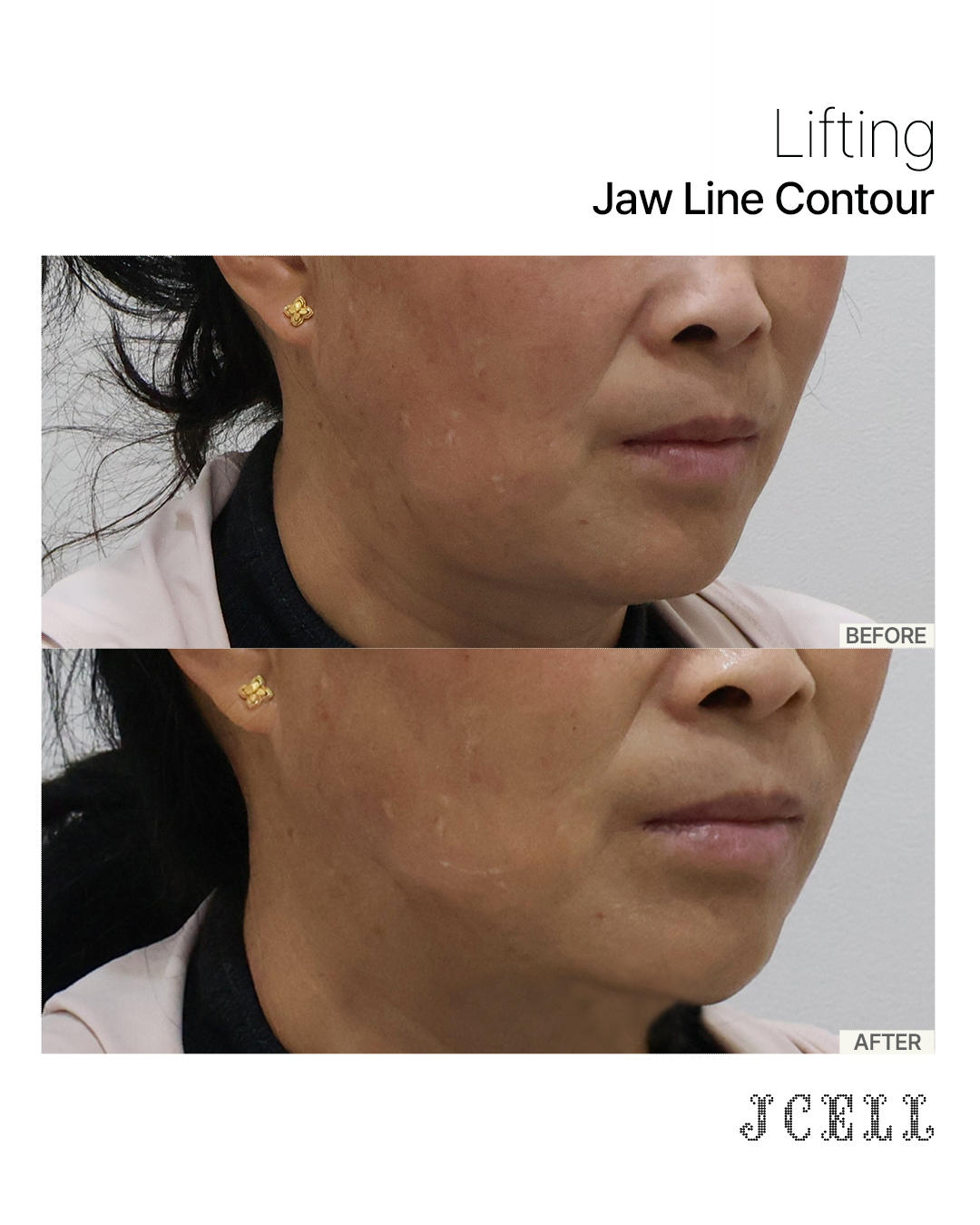
- Accelerated Elasticity Loss & Sagging: Fragmented elastic fibers lead to lower-face laxity, deepening nasolabial folds, and sagging jawlines.
- Persistent Barrier Compromise & Redness: Chronic sub-surface inflammation disrupts epidermal lipid production, leading to increased transepidermal water loss (TEWL), surface sensitivity, and patchy complexional dullness.
Systemic Health Implications Beyond the Skin
Dermal inflammaging is a direct reflection of broader systemic health, as chronic low-grade inflammation affects tissues throughout the entire body:
- Cardiovascular & Metabolic Strain: Systemic inflammatory markers contribute to vascular stiffness and insulin resistance, accelerating biological aging across vital organ systems.
- Cognitive & Joint Vitality: Persistent cellular inflammation is tied to joint cartilage breakdown and reduced neural resilience over time.
- Unified Longevity Care: Addressing inflammaging within the skin complements broader longevity medicine practices that aim to reduce systemic inflammation and extend healthspan.
Clinical Strategies to Halt Inflammaging
Modern aesthetic dermatology focuses on calming cellular stress and neutralizing SASP signals before attempting heavy structural stimulation:
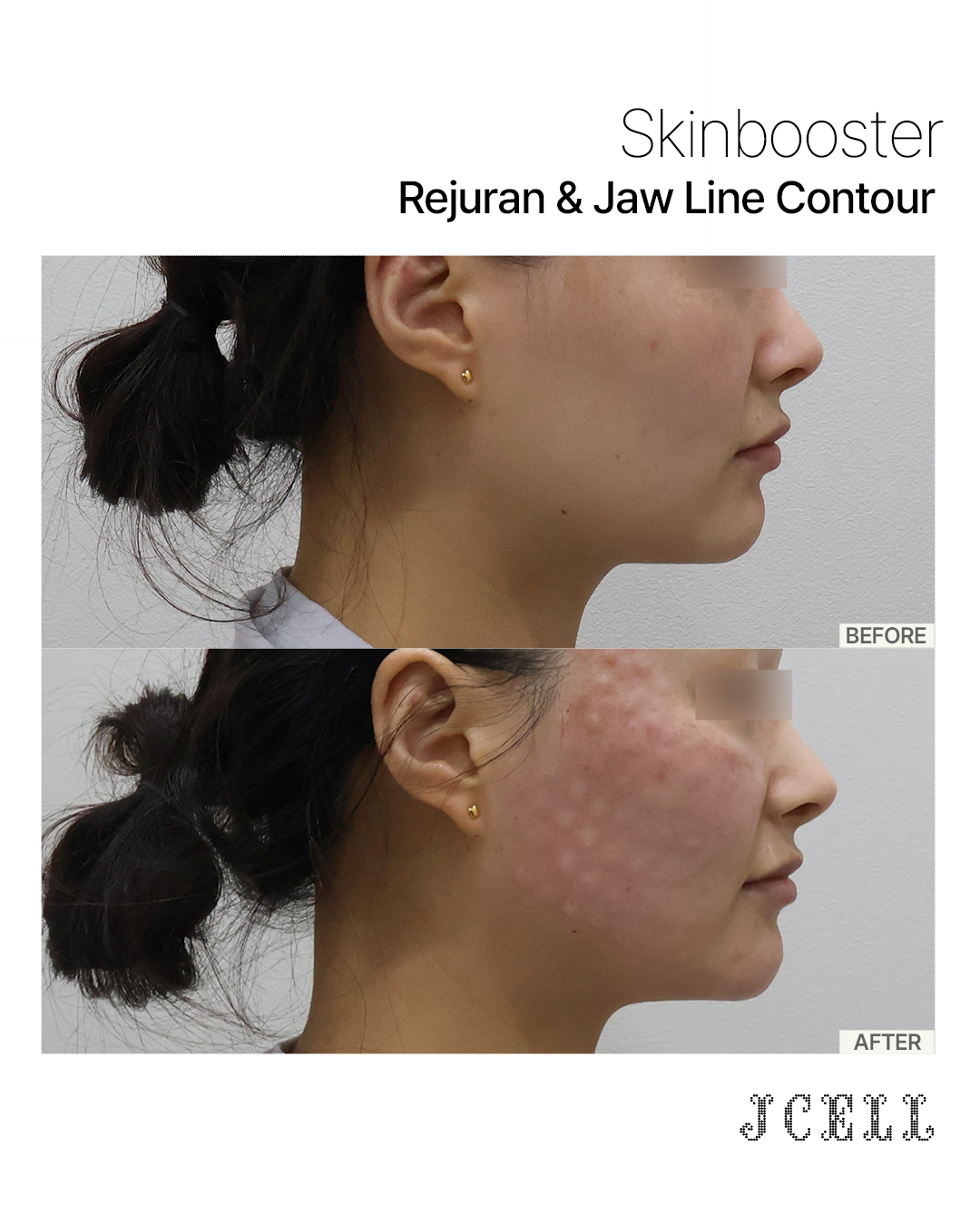
- Polynucleotide Therapies (Rejuran Healer): Purified DNA fragments excel at calming tissue inflammation, scavenging free radicals, and creating an optimal micro-environment for fibroblast repair.
- Gentle Biostimulation (Juvelook, Sculptra): Micro-particles re-establish mechanical tension in the dermis without triggering excessive inflammatory cascades, promoting smooth, natural collagen synthesis.
- Targeted Energy Devices (Potenza, Sylfirm X): RF microneedling stabilizes compromised vascular structures, reduces micro-inflammation, and rebuilds damaged dermal layers.
- Topical Antioxidants & Barrier Repair: Daily use of niacinamide, ceramides, Vitamin C, and broad-spectrum SPF 50+ protects the skin against daily exposome triggers.
Final Thoughts
Inflammaging is the hidden engine driving premature skin aging, silently breaking down collagen and draining cellular vitality. By shifting treatment focus toward soothing cellular stress, clearing senescent signaling, and utilizing regenerative biostimulants, you can effectively quench internal inflammation and protect your dermal framework for long-term health and resilience.