Layering Anti-Aging Treatments
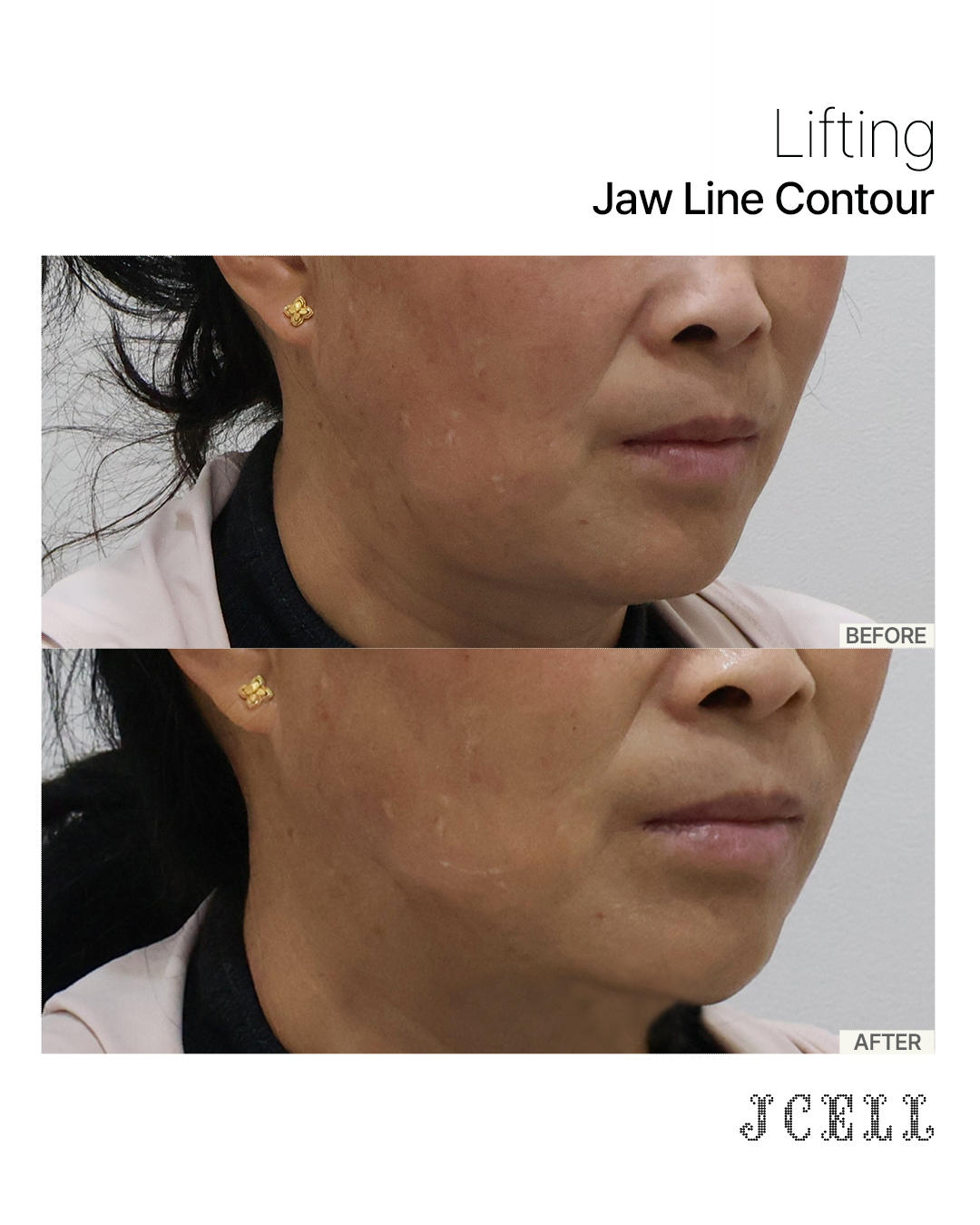
Single-device aesthetic treatments often address only one specific depth or aspect of skin aging. Modern regenerative aesthetics utilizes multi-modal treatment layering (also known as treatment stacking) to target structural sagging, mid-dermal volume loss, and epidermal texture simultaneously. By strategically pairing non-invasive energy devices with injectable biostimulants and cellular repair agents, multi-depth layering delivers comprehensive rejuvenation, higher overall collagen yield, and natural-looking structural support.
The Anatomical Foundation: Depth-Based Layering
Facial aging occurs progressively across multiple tissue layers. Effective layering protocols systematically treat each layer from deep structural anchors to the outer skin surface:
- Deep SMAS Layer (4.5mm): Micro-focused ultrasound (HIFU / Ultherapy) targets the superficial musculoaponeurotic system to contract loose tissue vectors and redefine jawlines.
- Deep-to-Mid Dermis (1.5mm – 3.0mm): Monopolar Radiofrequency (Thermage FLX) or PLLA/PDLLA biostimulators (Sculptra, Juvelook) supply thermal tightening and micro-particle scaffolding to stimulate long-term Type I collagen synthesis.
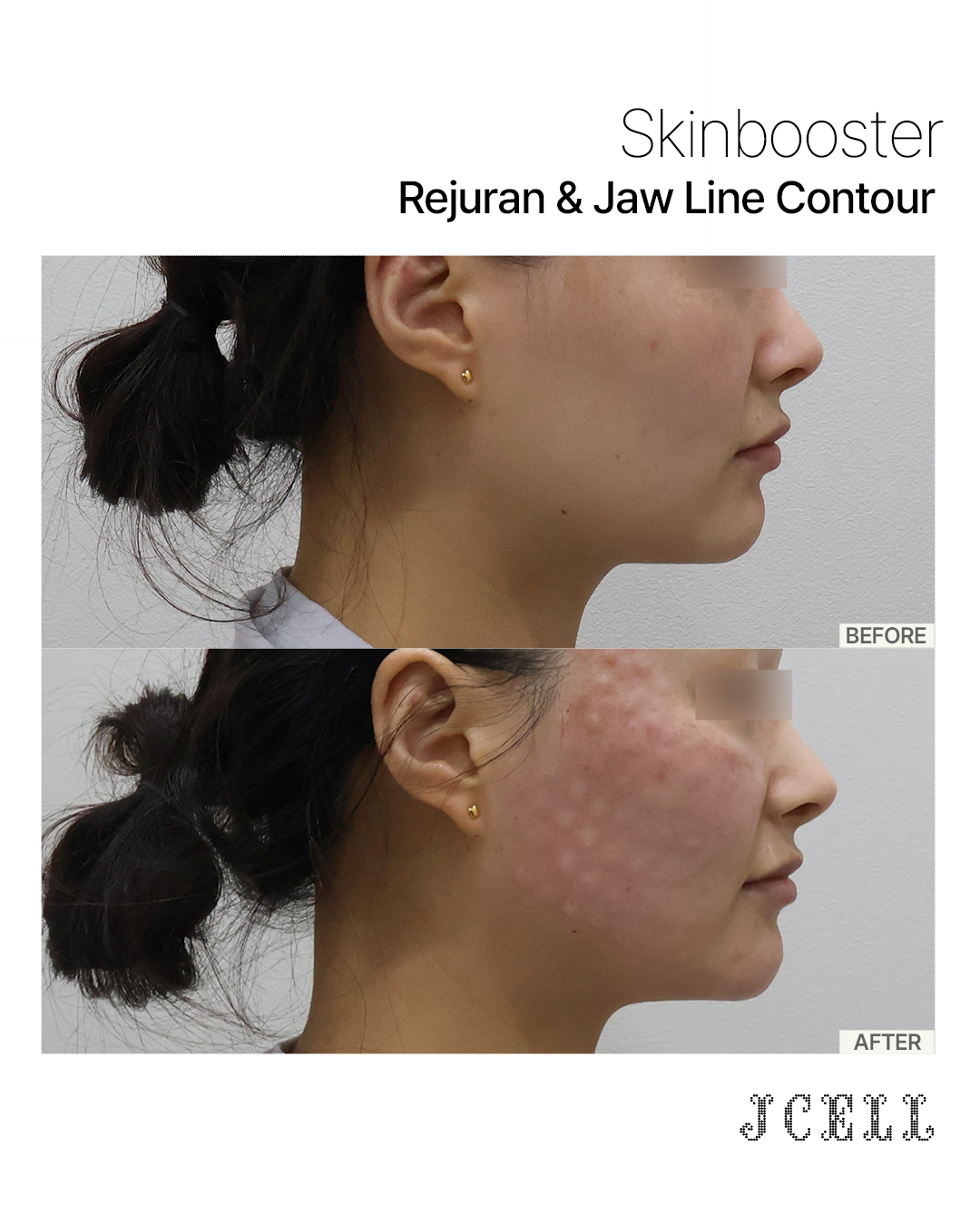
- Upper Dermis & Extracellular Matrix: Polynucleotides (Rejuran Healer) or exosomes repair damaged tissue environments, quench chronic micro-inflammation ("inflammaging"), and deeply hydrate the skin.
- Epidermal Surface: Non-ablative fractional lasers, light therapies (BBL/Moxi), or topical active retinoids refine pore texture, clear pigmentation, and speed up cellular turnover.
Core Layering Synergies in Regenerative Aesthetics
Combining complementary technologies creates biological synergy, where the total collagen response is significantly greater than the sum of standalone procedures:
- Thermal Energy + Biostimulatory Scaffolding: Monopolar RF (Thermage) contracts existing collagen, while injectable biostimulants (Juvelook/Sculptra) re-establish mechanical tension in the dermis, keeping fibroblasts active long after heat fades.
- Ultrasound Tightening + Matrix Repair: HIFU (Ultherapy) lifts sagging lower-face vectors, while Polynucleotides (Rejuran Healer) injected into the upper dermis calm thermal stress and eliminate post-treatment dryness.
- RF Microneedling + Exosome Signaling: Micro-needling (Potenza/Sylfirm X) opens temporary physical micro-channels while delivering thermal energy; topically applied exosomes immediately enter these channels to accelerate wound healing and minimize downtime.
At-Home Topical Layering Protocols
Clinical procedures achieve optimal results when supported by daily at-home skincare layering. Active ingredients should be applied in a precise biological sequence:
- Thin to Thick Formulation: Apply thin, water-based antioxidant serums (Vitamin C, Hyaluronic Acid) first on clean skin before heavier, occlusive creams.
- Evening Retinoids: Apply Vitamin A derivatives (retinol/tretinoin) at night to boost cell turnover, followed by barrier-repair ceramide creams to prevent irritation.
- Daily Photoprotection: Broad-spectrum SPF 50+ must always be the final daytime layer to protect newly synthesized collagen from UV-induced degradation.
Key Benefits of Treatment Stacking
- Customized Multi-Layer Rejuvenation: Corrects volume loss, skin laxity, and dull texture in a single session plan.
- Reduced Overall Downtime: Soothing biological injectables (exosomes/polynucleotides) calm post-device micro-inflammation rapidly.
- Extended Longevity: Combining thermal stimulus with long-acting biostimulatory particles produces continuous neocollagenesis that lasts up to 12–24 months.
Final Thoughts
Anti-aging is no longer about relying on a single magic treatment. By understanding facial anatomy and layering thermal energy, injectable biostimulation, and daily topical care, you can lower biological skin age, protect dermal reserves, and maintain firm, radiant, and resilient skin.