The Science Behind Firmer Skin
Firm, resilient skin is the result of a complex biological architecture working beneath the surface. Skin firmness depends on the structural integrity of the Extracellular Matrix (ECM) in the dermis, which acts as an internal support system for the epidermis.
Understanding the physiological mechanics behind skin firmness reveals how cellular health, structural proteins, and biological signaling work together to maintain youthful skin density.
1. The Three Structural Pillars of Skin Density
Dermal firmness relies on three key components synthesized by dermal fibroblasts:
- Type I & Type III Collagen (The Framework): Making up nearly 80% of the dry weight of the dermis, collagen forms dense triple-helix protein bundles. Type I collagen provides rigid tensile strength and resistance to stretching, while Type III collagen forms a flexible, woven meshwork that supports tissue elasticity and repair.
- Elastin Fibers (The Recoil Engine): Intertwined within the collagen network, elastin proteins allow skin to stretch under facial movement and immediately snap back into place without losing shape.
- Glycosaminoglycans & Hyaluronic Acid (The Hydration Cushion): These moisture-binding molecules fill the spaces within the protein matrix, holding up to 1,000 times their weight in water to maintain dermal volume, cushion structural fibers, and support nutrient transport.
2. Cellular Mechanics: The Role of Fibroblasts
Fibroblasts are the master builder cells of the dermis. The science of firmer skin is directly tied to fibroblast activity and mechanical tension:
- Mechanical Tautness & Collagen Synthesis: In young skin, fibroblasts attach firmly to a dense, taut collagen scaffold. This physical stretching creates mechanical tension that signals the fibroblast to remain active and continuously synthesize fresh collagen and elastin.
- The Collapse Cycle: As collagen fragments with age, sun damage, or glycation, fibroblasts lose their anchor points. Unattached and collapsed, fibroblasts reduce collagen production while increasing the secretion of Matrix Metalloproteinases (MMPs)—enzymes that further degrade the skin matrix.
3. Biological Factors That Cause Loss of Firmness
Maintaining skin firmness requires protecting the dermal matrix from three major biological threats:
- Chronological Aging & Hormonal Shifts: Collagen production naturally decreases by roughly 1% per year starting in your mid-20s. Estrogen decline during perimenopause and menopause further accelerates this loss, reducing collagen density by up to 30% in the first five years.
- Photoaging & UV-Induced MMPs: Ultraviolet radiation generates Reactive Oxygen Species (ROS) that activate MMP enzymes (such as MMP-1 collagenase), which chop intact collagen fibers into fragmented pieces.
- Glycation (AGEs): Excess sugar molecules attach to collagen fibers, forming Advanced Glycation End-Products (AGEs). This cross-linking process turns flexible collagen rigid, brittle, and prone to breaking.
4. Scientific Approaches to Rebuilding Skin Firmness
Achieving long-term skin firmness requires moving beyond surface moisturizers to trigger biostimulation within the deep dermis:
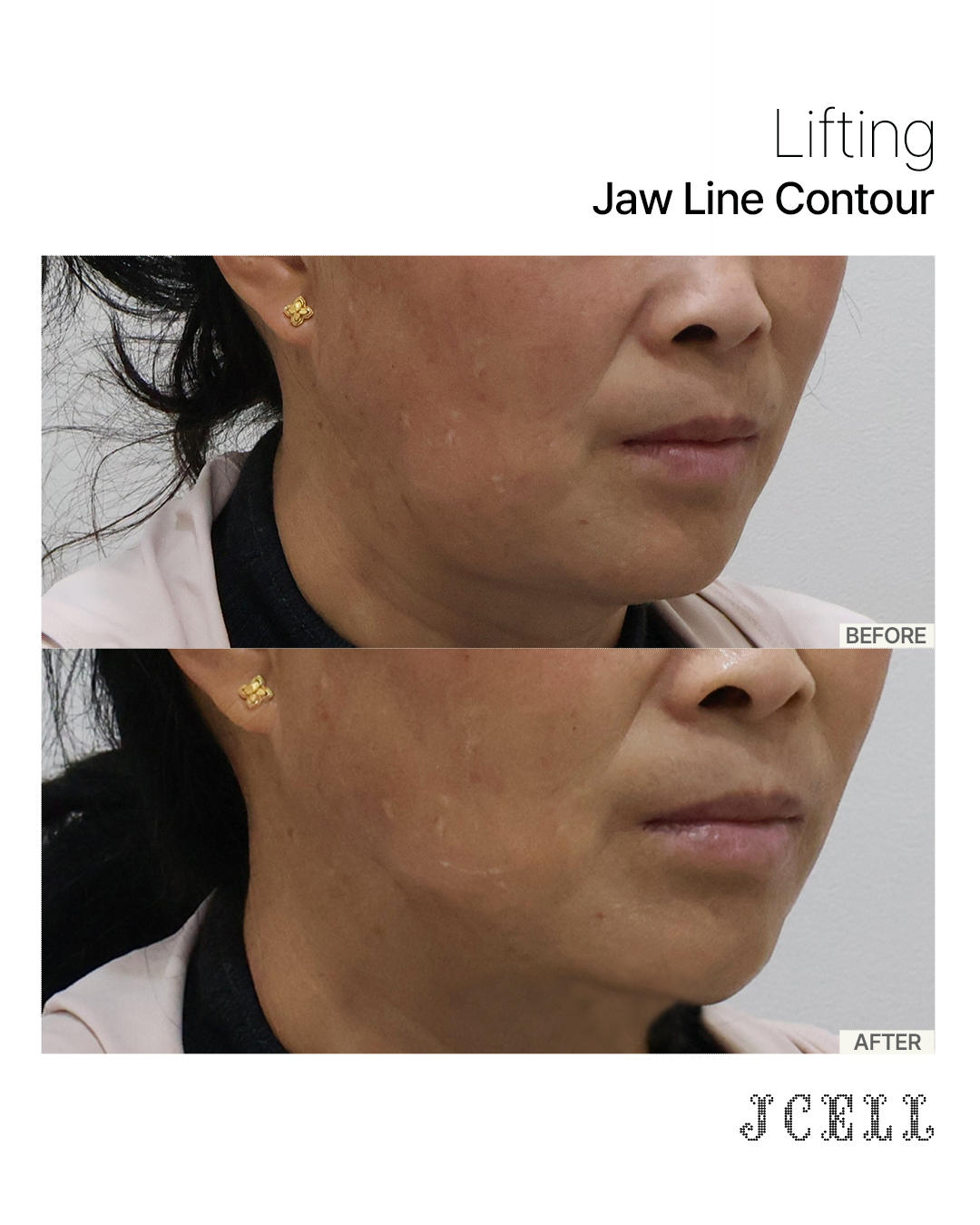
- Injectable Biostimulators (Juvelook / Sculptra): Micro-particles (such as PLLA) act as physical scaffolds within the deep dermis, restoring mechanical tension and reactivating fibroblasts to produce fresh Type I collagen over several months.
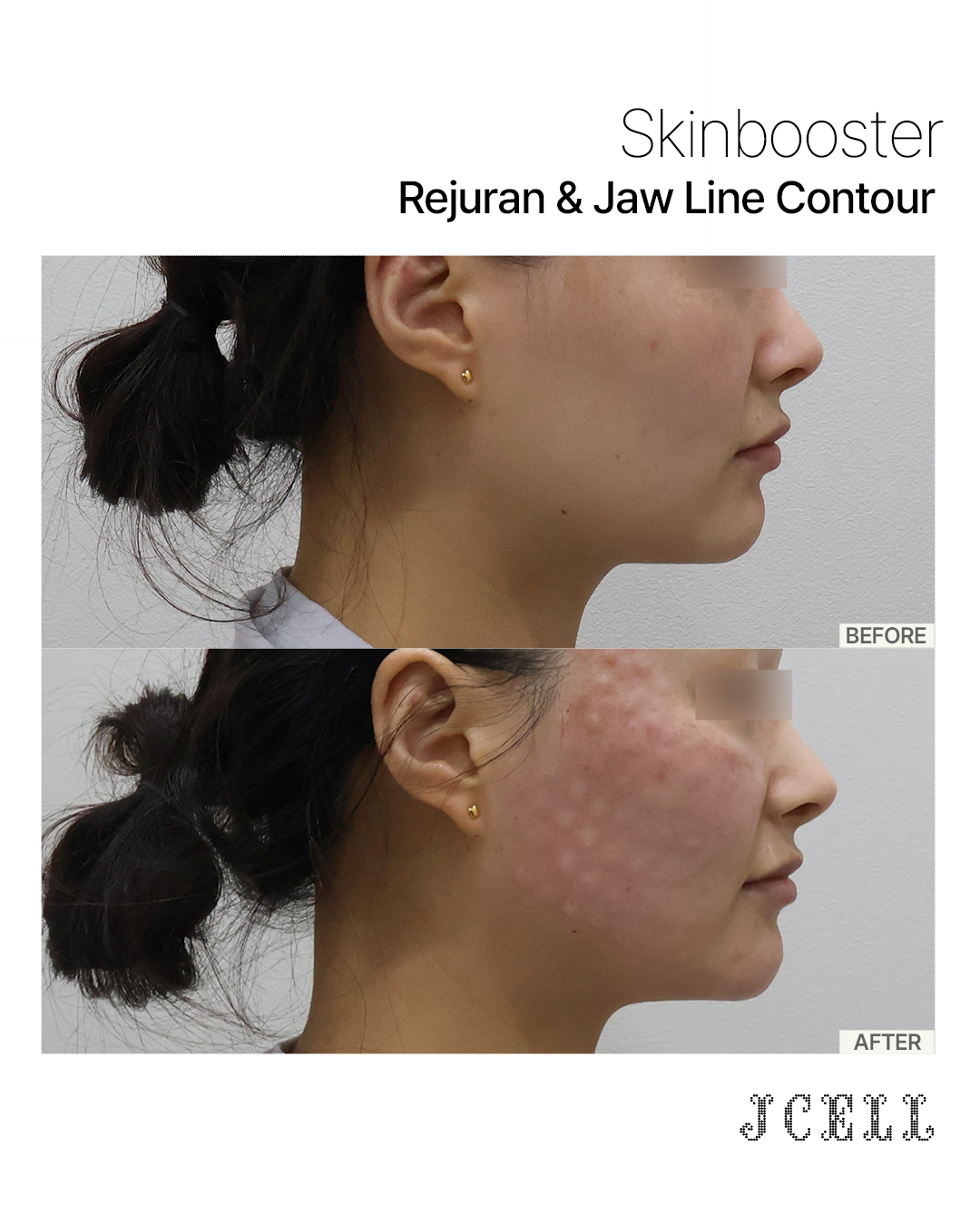
- Polynucleotides (Rejuran Healer): Purified salmon-DNA fragments repair damaged extracellular matrix environments, calm cellular inflammation, and stimulate flexible Type III collagen synthesis.
- Energy-Based Devices (Thermage FLX / Ultherapy / Oligio): Monopolar Radiofrequency (RF) and High-Intensity Focused Ultrasound (HIFU) deliver targeted thermal energy to the dermis and SMAS fascia, contracting existing fibers and triggering long-term neocollagenesis.
Final Thoughts
Skin firmness is not merely a cosmetic trait; it is a direct reflection of a healthy, dense dermal matrix and active fibroblast function. By protecting existing structural proteins from UV damage and glycation while utilizing biostimulatory treatments to restart collagen production, you can scientifically rebuild and maintain firm, resilient skin over time.