Glycation and Premature Aging
While sun exposure and smoking are widely known drivers of skin degradation, glycation is an equally destructive chemical process that accelerates skin aging from within. Often referred to as "sugar sag," glycation occurs when excess sugar molecules in the bloodstream react with structural proteins, permanently altering the elasticity and firmness of the dermal matrix.
What Is Glycation?
Glycation is a non-enzymatic chemical reaction between reducing sugars (such as glucose and fructose) and functional proteins or lipids in the body.
- The Reaction: Sugar molecules attach directly to amino acids on long-lived proteins like Type I collagen and elastin without the guidance of regulating enzymes.
- Formation of AGEs: Over time, these sugar-protein bonds undergo irreversible chemical rearrangements to form Advanced Glycation End-Products (AGEs).
- The "Toasting" Effect: Biologically, glycation operates similarly to cooking food at high heat—proteins lose their pliability, turn yellow-brown, and become rigid and cross-linked.
How Glycation Destroys Skin Architecture
AGEs systematically compromise skin density, resilience, and appearance across multiple biological pathways:
- Collagen Cross-Linking & Loss of Elasticity: Healthy collagen fibers are flexible, allowing skin to stretch and rebound smoothly. Glycated collagen forms rigid, abnormal cross-links that prevent fibers from sliding past one another, making tissue brittle and prone to snapping under facial movement.
- Resistance to Natural Repair Mechanisms: AGE-modified collagen becomes resistant to natural matrix metalloproteinases (MMPs). Because the body cannot easily degrade or clear glycated collagen, degraded fibers linger in the dermis, clogging the matrix and blocking fibroblasts from synthesizing fresh collagen.
- Fibroblast Inactivation & Oxidative Stress: AGEs bind to specific cell receptors (RAGE—Receptor for Advanced Glycation End-Products). This binding triggers intracellular free radicals (ROS) and pro-inflammatory signaling cascades that impair fibroblast vitality.
- Surface Dullness & Yellowing: The accumulation of yellowish-brown AGE pigments in the deep dermis causes skin to lose its youthful translucency, resulting in a sallow, dull complexional tone.
Key Signs of Glycation-Induced Aging
- Deep, Rigid Static Wrinkles: Fine lines around the cheeks and mouth transition into fixed, cross-hatched creases that do not smooth out when expressions relax.
- "Crinkly" or Leathery Texture: Skin loses its soft bounce and takes on a stiff, cardboard-like quality under pressure.
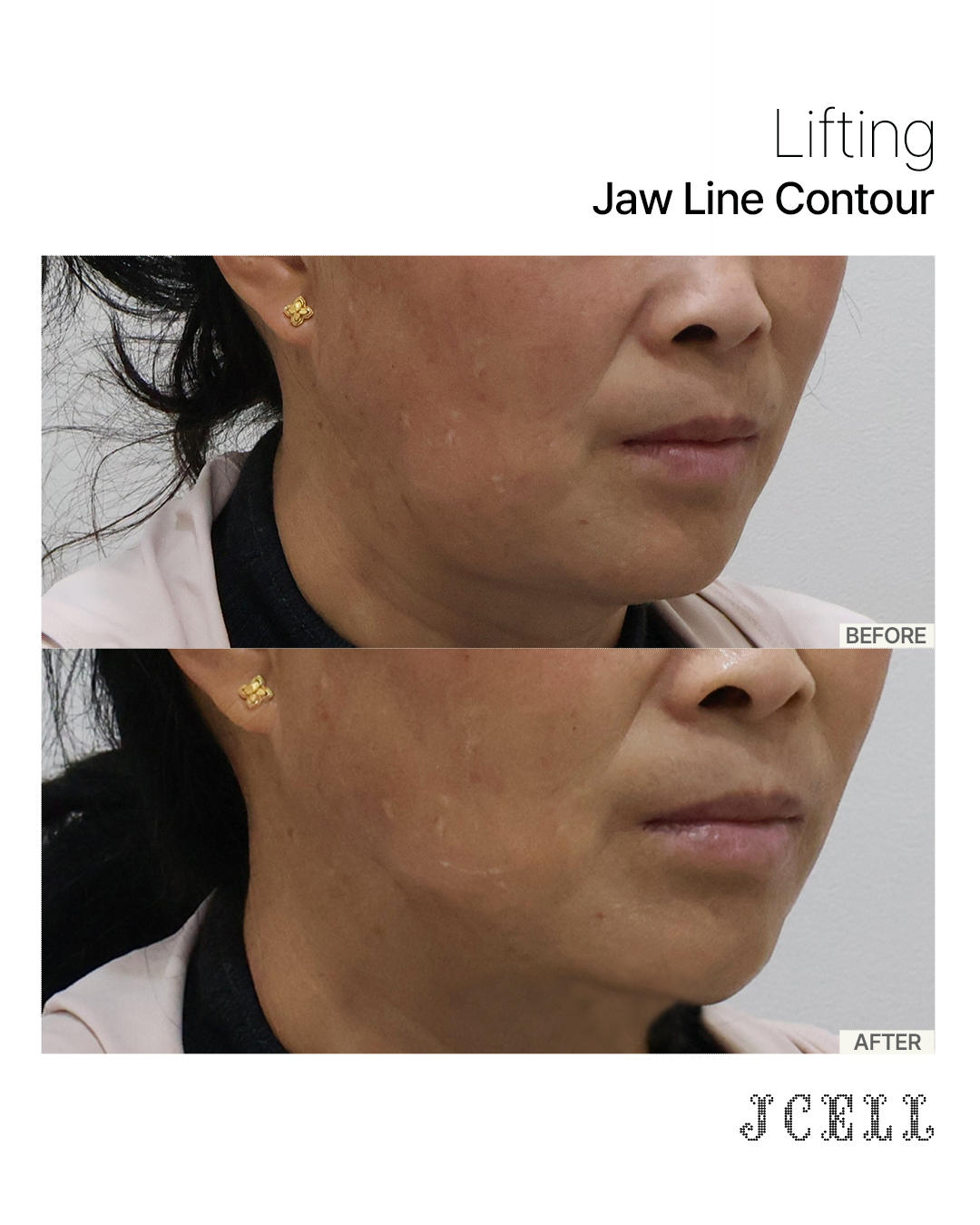
- Accelerated Lower-Face Sagging: As glycated collagen breaks down under gravity, structural support collapses, causing jowls and nasolabial folds to deepen prematurely.
Dietary and Lifestyle Triggers
While baseline glycation occurs naturally as we age, specific habits dramatically accelerate AGE formation:
- High-Glycemic Diets: Consuming refined sugars, processed carbohydrates, and sweet beverages causes blood glucose spikes that feed the glycation cascade.
- High-Heat Cooking Methods: Foods cooked via dry-heat methods—such as grilling, frying, searing, or roasting—contain exceptionally high levels of pre-formed dietary AGEs that enter the bloodstream upon digestion.
- UV Exposure & Smoking: Ultraviolet radiation and tobacco smoke generate oxidative stress that acts as a chemical catalyst, accelerating the cross-linking of sugars to collagen fibers.
Clinical Interventions for Glycated Skin
Because advanced glycation end-products form permanent chemical bonds, treating glycated skin focuses on breaking up rigid matrix networks, soothing RAGE inflammation, and stimulating fresh collagen:
- Injectable Biostimulators (Juvelook / Sculptra): PLLA micro-particles provide physical scaffolding that reactivates suppressed fibroblasts, encouraging the production of fresh, non-glycated Type I collagen.
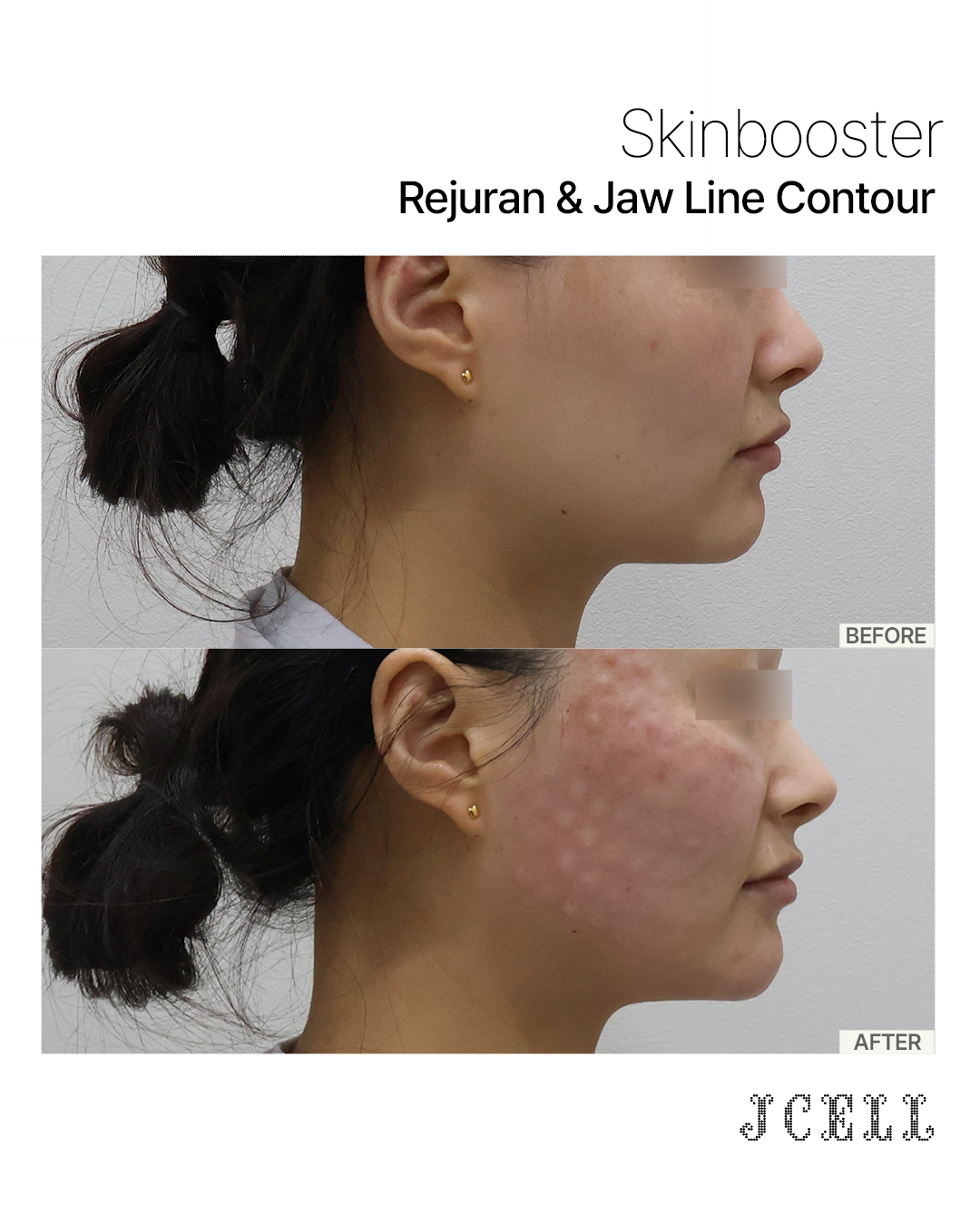
- Polynucleotide Skin Boosters (Rejuran Healer): Salmon-DNA polymers calm RAGE-induced inflammatory pathways, repair damaged extracellular matrix environments, and restore tissue hydration.
- RF Microneedling & Monopolar RF (Potenza / Thermage): Physical micro-channeling combined with thermal energy helps break down hardened, dysfunctional collagen bundles while signaling the body to initiate fresh neocollagenesis.
Final Thoughts
Glycation prematurely ages skin by chemically cross-linking flexible collagen into rigid, brittle structures that resist natural biological repair. By reducing refined sugar intake, choosing gentle cooking methods, protecting skin from UV rays, and utilizing targeted clinical biostimulation, you can minimize AGE accumulation and preserve a dense, resilient dermal foundation.