Type I vs Type III Collagen
Collagen is the most abundant structural protein in the human body, providing the foundational scaffolding that keeps skin firm, dense, and resilient. While there are over 28 identified types of collagen, Type I and Type III collagen make up more than 90% of the collagen found in human skin.
Understanding the distinct roles of these two collagen types—and how their ratio changes over time—is essential to understanding biological skin aging and modern biostimulatory aesthetics.
The Biological Roles of Type I and Type III Collagen
Both collagen types work together in the extracellular matrix (ECM) of the dermis, but they serve different structural and functional purposes:
- Type I Collagen (The "Structure & Strength" Collagen): Type I is the most abundant type in adult human skin, accounting for roughly 80% to 85% of total dermal collagen. It forms thick, tightly woven, rigid fibers that provide high tensile strength, resistance to stretching, and firm structural support.
- Type III Collagen (The "Healing & Elasticity" Collagen): Type III accounts for approximately 10% to 15% of adult skin collagen. It forms finer, more flexible meshwork fibers. Often referred to as "baby collagen" or "repair collagen," Type III is abundant in soft, elastic tissues like vascular walls, youthful skin, and newly healing wounds.
Key Differences at a Glance
- Fiber Structure & Density
- Type I: Thick, dense, rope-like triple-helix bundles that provide rigidity and firmness.
- Type III: Delicate, pliable, net-like fibrillar meshwork that provides elasticity and flexibility.
- Primary Function in Skin
- Type I: Delivers overall skin density, structural resistance against gravity, and deep firmness.
- Type III: Supports rapid cell turnover, tissue pliability, skin hydration, and wound repair.
- Prevalence Across Life Stages
- Infancy & Youth: Fetal and infant skin contains exceptionally high levels of Type III collagen, giving baby skin its characteristic softness, bounce, and rapid healing ability.
- Adulthood: As skin matures, Type III collagen is gradually replaced by Type I collagen to establish structural stability.
- Aging Skin: In aging or sun-damaged skin, synthesis of both types slows dramatically, but Type III drops significantly, leaving remaining collagen fragmented and stiff.
Wound Healing & The Collagen Transition Cycle
When skin experiences an injury—such as a cut, a laser treatment, or micro-needling—the body initiates a precise bi-phasic collagen repair cascade:
- Phase 1 (Rapid Type III Synthesis): Immediately following tissue injury, active fibroblasts rapidly synthesize high amounts of flexible Type III collagen to close the wound and restore the extracellular scaffold quickly.
- Phase 2 (Maturation to Type I): Over the subsequent weeks and months, the body gradually remodels and replaces the delicate Type III fibers with dense, durable Type I collagen, restoring permanent tensile strength to the repaired skin.
How Modern Regenerative Aesthetics Target Type I and Type III
Traditional cosmetic treatments merely plumped the skin superficially, but modern biostimulators focus on triggering neocollagenesis—stimulating fibroblasts to synthesize fresh Type I and Type III collagen.
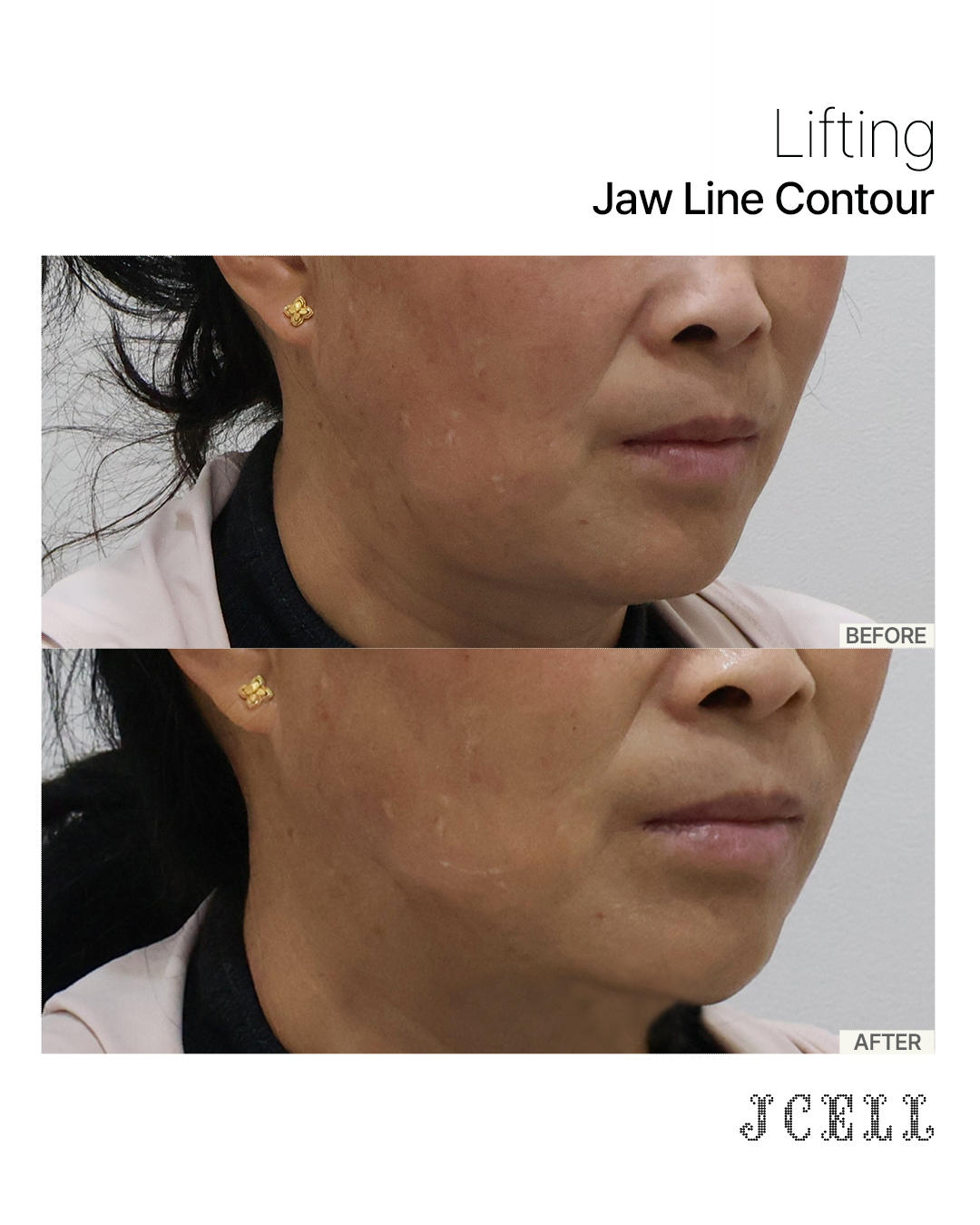
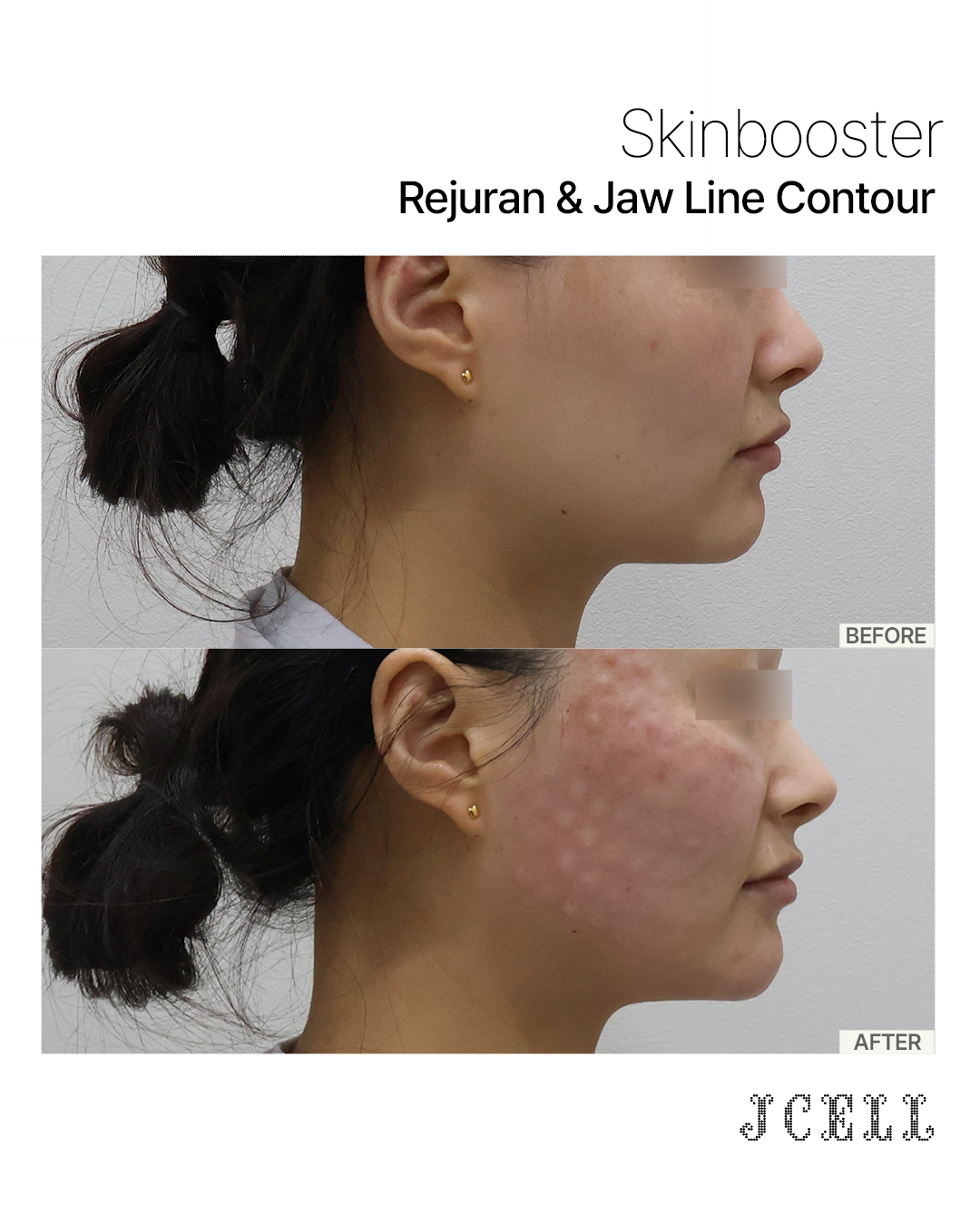
- Polynucleotides (Rejuran Healer): Salmon-DNA-derived skin boosters repair the dermal environment, signaling sluggish fibroblasts to regenerate high-quality Type III collagen for barrier repair and skin elasticity.
- PLLA & CaHA Biostimulators (Juvelook, Sculptra, Radiesse): Injectable micro-particles act as biological scaffolds, inducing a controlled micro-response that drives long-term Type I collagen synthesis for deep structural volume and density lasting up to 2 years.
- Exosome Therapy & RF Microneedling: Combining radiofrequency microneedling (such as Potenza) with stem-cell-derived exosomes triggers immediate early Type III healing response, which matures into strong, lasting Type I collagen networks.
Final Thoughts
Type I and Type III collagen are complementary forces in skin health: Type III provides the flexible, hydrated meshwork of youth, while Type I provides the firm, dense framework that keeps skin structurally sound. By utilizing biostimulatory treatments that encourage the natural production of both collagen types, modern aesthetic medicine allows patients to restore genuine biological density and maintain healthy, resilient skin.