Why Collagen Declines With Age
Collagen is the foundational protein that gives youthful skin its density, firmness, and resilience. Making up nearly 80% of the skin’s dermal layer, it forms a dense, three-dimensional lattice that supports the epidermis and keeps facial features lifted.
However, collagen levels do not remain constant throughout life. Starting in early adulthood, a combination of intrinsic cellular changes and external environmental stressors causes collagen production to drop while accelerating its breakdown. Understanding why this decline occurs reveals why skin changes over time and how modern aesthetic treatments work to rebuild it.
The Biological Clock: Intrinsic Cellular Aging
Natural chronological aging drives a predictable, steady decrease in dermal collagen levels from within:
- The 1% Annual Loss Rule: Starting in your mid-20s, natural collagen synthesis slows down by approximately 1% every year. In your 20s and early 30s, this gradual loss is cushioned by existing collagen banks, but over time the cumulative deficit becomes visible.
- Fibroblast Senescence & Mechanical Uncoupling: Fibroblasts—the master cells responsible for synthesizing collagen, elastin, and hyaluronic acid—become less active with age. Furthermore, as surrounding collagen fibers fragment, fibroblasts lose their physical attachment points, creating a self-reinforcing cycle where unanchored fibroblasts produce significantly less new protein.
- Hormonal Shifts (Estrogen Decline): Estrogen is a key regulator of fibroblast activity and dermal thickness. During perimenopause and the first five years of menopause, women can lose up to 30% of their total skin collagen due to sharp declines in estrogen levels.
Extrinsic Accelerators: Environmental & Lifestyle Stressors
While chronological aging dictates baseline collagen loss, external factors dramatically speed up the degradation process:
- Photoaging & MMP Activation: Ultraviolet (UV) radiation is the single primary driver of premature collagen breakdown. UV exposure generates reactive oxygen species (ROS) that activate Matrix Metalloproteinases (MMPs)—enzymes that actively chop long, healthy collagen triple-helices into fragmented, non-functional pieces.
- Glycation (Advanced Glycation End-Products): Diets high in refined sugars cause sugar molecules to attach to long-lived collagen fibers. This process, known as glycation, forms Advanced Glycation End-products (AGEs) that cross-link collagen, turning flexible fibers rigid, brittle, and prone to snapping.
- Chronic Stress & Pollution: Elevated cortisol levels from ongoing stress, combined with airborne pollutants and smoking, generate systemic oxidative stress that impairs the skin’s natural repair mechanisms and damages fibroblast cellular DNA.
What Happens to Skin Structure as Collagen Fades?
When the dermal collagen network breaks down, the structural effects ripple across every layer of the face:
- Dermal Thinning & Elasticity Loss: The dermal wall gradually thins, causing skin to lose its underlying density and its ability to snap back firmly after facial movements.
- Fine Lines & Deep Wrinkle Formation: Without a dense structural framework backing the surface, repetitive muscle contractions cause dynamic expression lines to settle into permanent, static wrinkles.
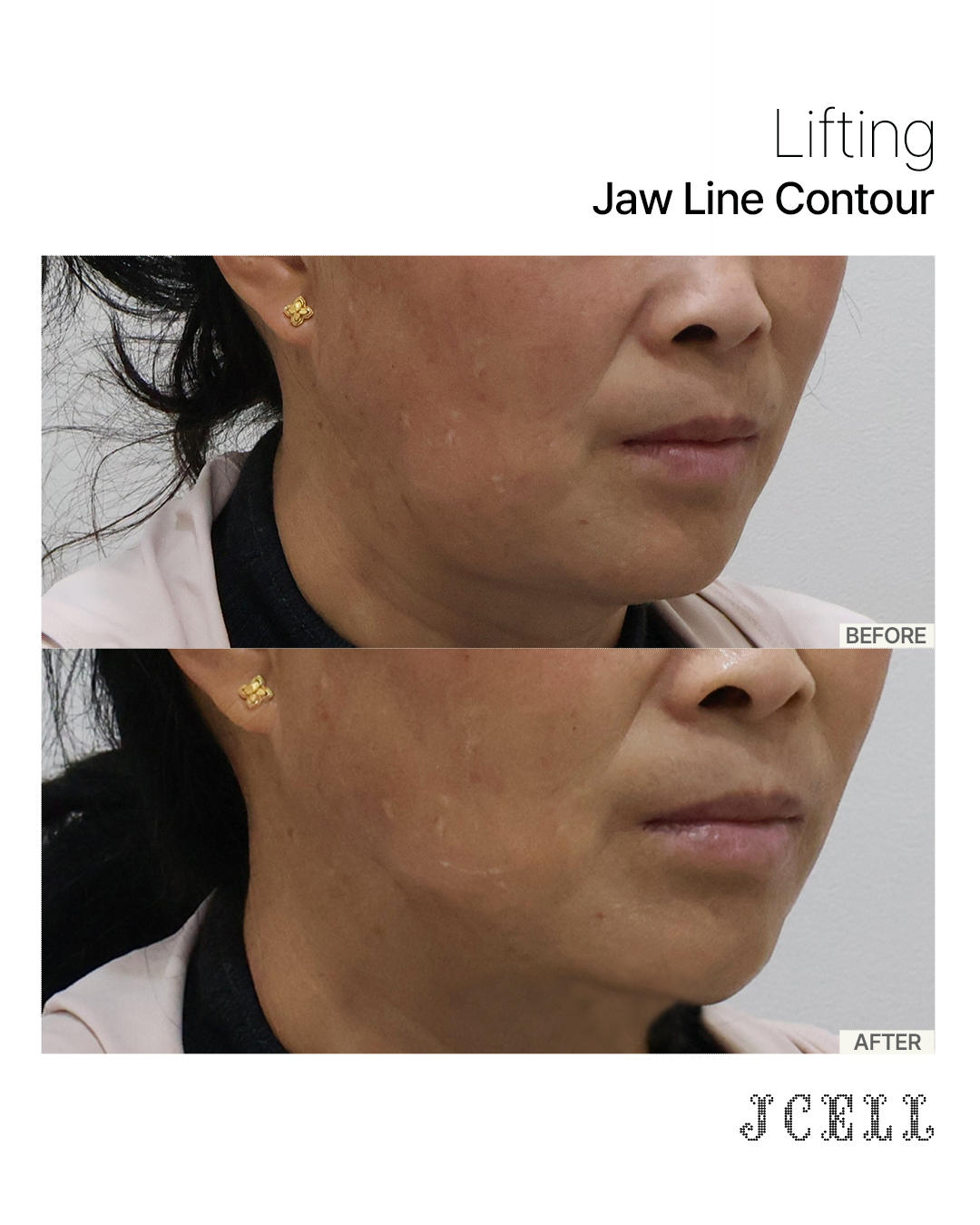
- Structural Sagging & Volume Shift: As the collagen scaffolding weakens, it loses its ability to resist gravity, leading to softer jawlines, deepening nasolabial folds, and sagging along the cheeks and lower face.
Modern Clinical Strategies to Rebuild Lost Collagen
Because topical creams cannot penetrate deeply enough to replenish the dermal collagen network, modern aesthetic medicine focuses on biostimulation—triggering the body’s natural neocollagenesis:
- Injectable Biostimulators: Formulations such as PLLA (Poly-L-Lactic Acid / Juvelook, Sculptra) and CaHA (Calcium Hydroxyapatite / Radiesse) are delivered into the deep dermis to reactivate dormant fibroblasts, generating fresh Type I collagen over several months.
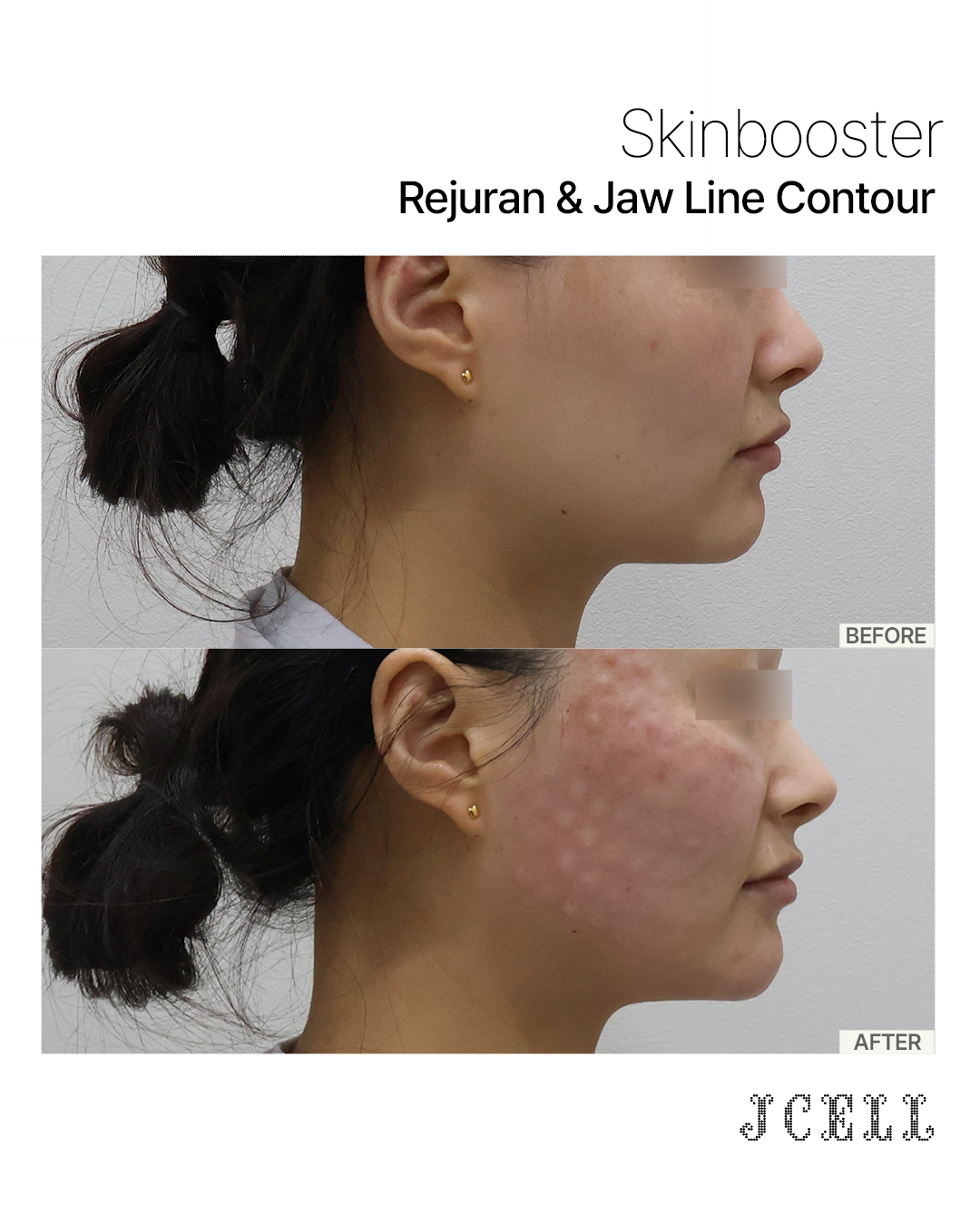
- Polynucleotides (Rejuran Healer): Salmon-DNA-derived skin boosters repair damaged extracellular matrix environments, reducing inflammation and signaling fibroblasts to synthesize flexible Type III "repair" collagen.
- Energy-Based Device Therapy: Monopolar Radiofrequency (Thermage FLX, Oligio) and Micro-Focused Ultrasound (Ultherapy, Shurink) deliver precise thermal energy to the deep dermis and SMAS fascia, contracting existing fibers and signaling the body to build new, tight collagen.
Final Thoughts
Collagen decline is a natural biological process driven by decreasing cellular output, hormonal shifts, and daily environmental exposure. However, understanding the precise mechanisms behind collagen loss has transformed modern aesthetic medicine from reactive filling to proactive biological rejuvenation. By combining diligent daily habits—such as broad-spectrum UV protection—with collagen-stimulating clinical treatments, you can preserve your dermal framework and maintain firm, resilient skin for years to come.