UV Damage and Collagen Breakdown
Ultraviolet (UV) radiation is the primary environmental cause of premature skin aging, a process known as photoaging. While chronological aging causes a gradual decrease in collagen production, UV exposure actively accelerates the destruction of the dermal framework.
Understanding how UV radiation breaks down collagen at the cellular level highlights why broad-spectrum sun protection is the ultimate anti-aging intervention.
The Biological Target: The Extracellular Matrix
Youthful skin relies on a dense Extracellular Matrix (ECM) in the dermis, composed primarily of Type I and Type III collagen fibers woven with elastin and hyaluronic acid.
- UVA Rays (Deep Penetration): UVA rays have longer wavelengths that penetrate deep into the dermis. They generate massive amounts of Reactive Oxygen Species (ROS), directly attacking fibroblasts and structural proteins.
- UVB Rays (Epidermal & Upper Dermal Damage): UVB rays target the upper skin layers, causing direct DNA mutations, sunburns, and localized inflammatory cascades that spill into the underlying dermis.
The Cascade of UV-Induced Collagen Destruction
UV radiation destroys dermal collagen through a distinct three-step enzymatic and cellular process:
Step 1: ROS Generation & Free Radical Stress
Within seconds of UV exposure, the skin experiences an surge in free radicals (ROS). These unstable molecules overpower the skin's natural antioxidant defenses, causing oxidative stress that damages cell membranes and mitochondrial DNA.
Step 2: Activation of Matrix Metalloproteinases (MMPs)
ROS trigger major inflammatory signaling pathways (such as AP-1 and NF-kB) that upregulate genes responsible for producing Matrix Metalloproteinases (MMPs)—enzymes designed to break down damaged tissue.
- MMP-1 (Collagenase): Specifically cuts intact, strong collagen triple-helices into smaller fragments.
- MMP-3 & MMP-9: Further degrade the fragmented collagen pieces alongside elastic fibers and basement membrane proteins.
Step 3: Inhibition of New Collagen Synthesis
Simultaneously, UV exposure downregulates TGF-beta signaling—the primary pathway that instructs fibroblasts to produce new collagen. This creates a double-hit scenario: collagen breakdown increases drastically while new collagen production grinds to a halt.
Long-Term Structural Consequences of Photoaging
Unprotected UV exposure leaves clear physical markers across the face over time:
- Solar Elastosis: Damaged, fragmented collagen and elastic fibers accumulate into abnormal, yellowed, tangled masses, causing skin to lose its natural "snapback" ability.
- Dermal Thinning & Deep Wrinkles: As the dermal wall loses structural volume, dynamic facial movements easily carve permanent, deep static wrinkles into the surface.
- Enlarged, Sagging Pores: Without a firm collagen scaffolding supporting the pore walls, pores stretch downward into visible teardrop shapes.
Clinical Strategies to Repair UV-Damaged Collagen
Because topical sunscreens prevent future damage but cannot rebuild an already degraded matrix, aesthetic dermatology relies on biostimulatory repair protocols:
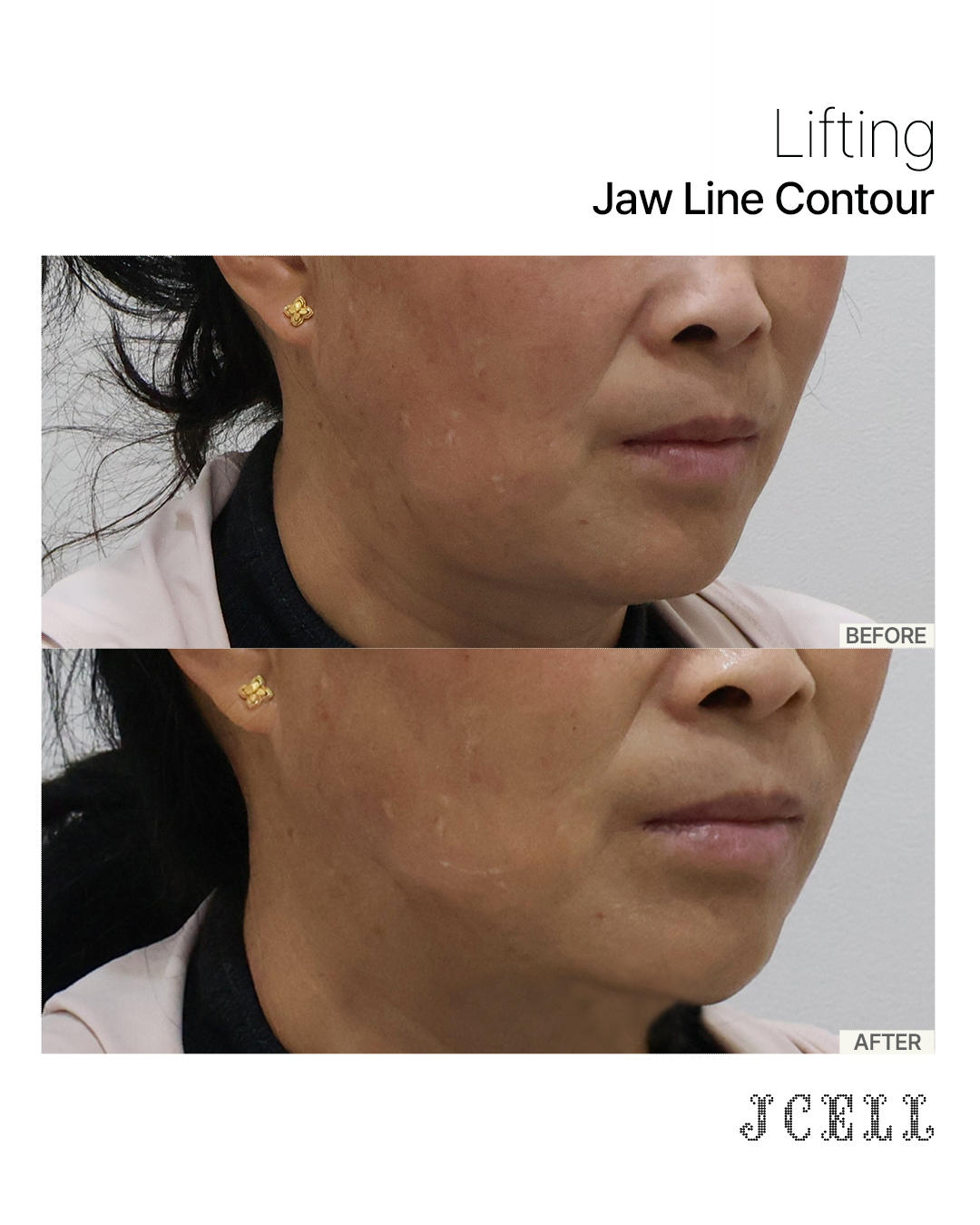
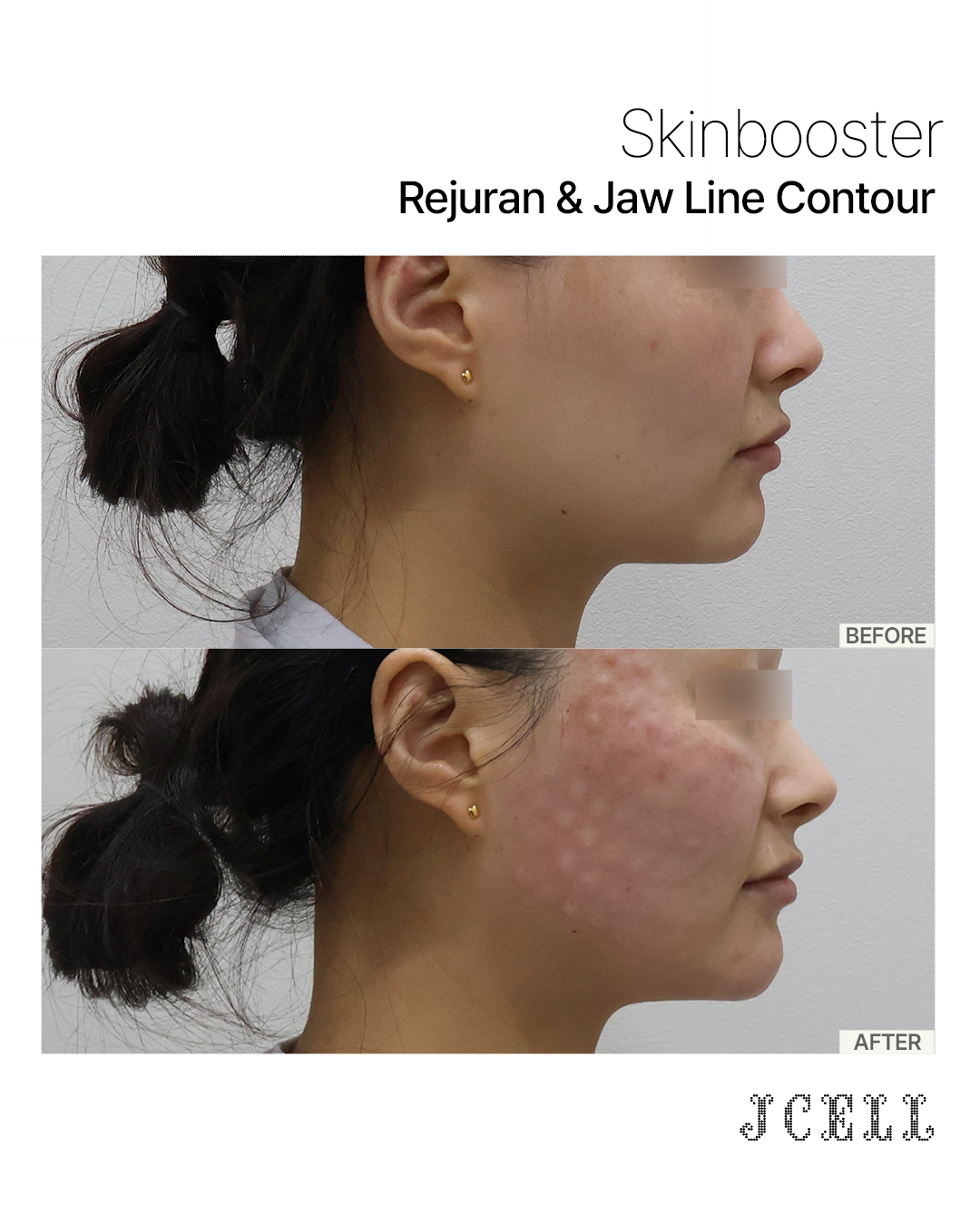
- Polynucleotide Boosters (Rejuran Healer): Delivers salmon-DNA fragments into the damaged ECM to calm UV-induced inflammation, repair cellular health, and stimulate new "repair" collagen.
- Injectable Biostimulators (Juvelook / Sculptra): Re-establishes mechanical tension in photoaged skin by providing a physical scaffold that reactivates sun-damaged fibroblasts.
- Monopolar Radiofrequency (Thermage FLX / Oligio): Delivers uniform thermal energy into the mid-to-deep dermis to contract loose, fragmented fibers and trigger long-term neocollagenesis.
Final Thoughts
UV radiation is an aggressive catalyst for dermal collapse, activating destructive MMP enzymes that chop healthy collagen fibers while shutting down new collagen synthesis. Combining daily SPF 50+ broad-spectrum protection with clinical biostimulatory treatments allows you to halt photoaging, repair damaged extracellular environments, and rebuild a dense, resilient skin framework.